
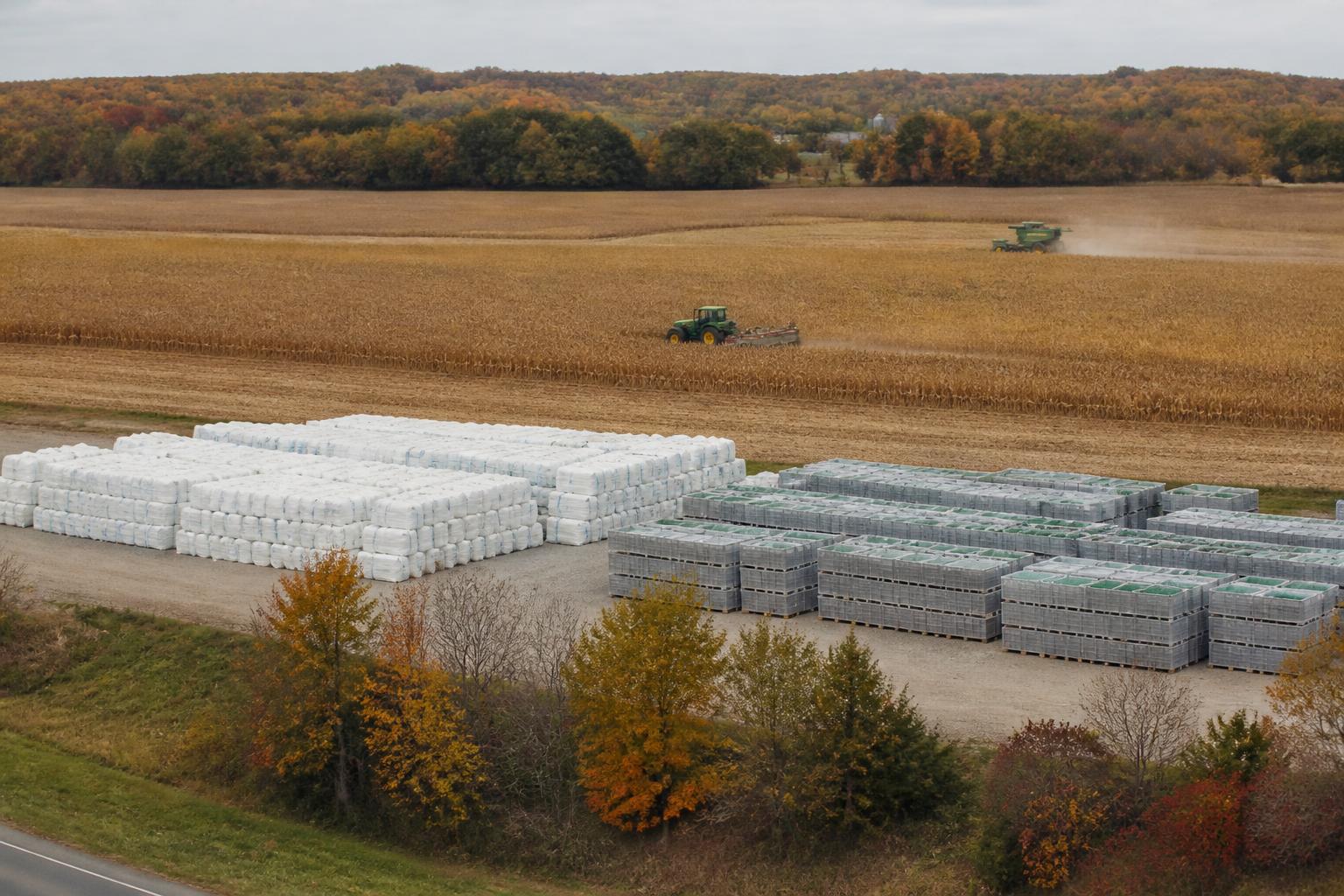
As we move deeper into the fall season, U.S. agricultural producers are balancing complex input variables. While some regions report ongoing activity in fields despite persistent economic pressures, the broader market remains sensitive to shifts in nitrogen pricing. Recent indicators suggest that UAN28 has led gains in the fertilizer sector, reminding growers of the importance of disciplined input procurement as they prepare for the 2027 crop cycle.
For those currently conducting fall applications, timing remains a critical operational factor. Agronomists often emphasize the effectiveness of the 50-degree rule for anhydrous ammonia, suggesting that application should wait until soil temperatures at a 4-inch depth have cooled below 50 degrees Fahrenheit and are trending lower. This practice helps maintain nitrogen stability in the soil profile, ensuring nutrients are better positioned for spring growth.
Infrastructure and Global Market Realities
The fertilizer supply landscape is also seeing shifts in investor focus and trade discourse. Recent federal initiatives, such as the support for decentralized green ammonia production, highlight a long-term interest in creating more resilient, localized supply chains. These efforts may, in time, offer farmers alternatives to traditional, centralized nitrogen sourcing.
Meanwhile, in the potash market, experts note that while there is strong demand, U.S. infrastructure and established logistics networks with current suppliers mean that proposed shifts in global trade policy are unlikely to cause immediate or significant disruption to domestic availability. Traders and farmers alike should stay informed on these federal policy developments and market considerations to anticipate future cost structures.
Strategic Planning for 2027
Despite the challenges posed by high input costs, proactive management remains the hallmark of successful operations. Whether you are navigating procurement during winter prep or assessing the economic impact of nitrogen price volatility, data-driven decisions are essential. For many, this means focusing on precise nutrient application rates and evaluating nitrogen management strategies that optimize yield potential while mitigating unnecessary expenditure.
What it means for the market
The current market environment requires a cautious approach to fertilizer purchasing. Growers should prepare for continued price variability by prioritizing soil testing and timing applications to maximize efficiency. As we look toward the 2027 season, maintaining flexible logistics and watching for localized supply chain shifts will be key to managing bottom-line profitability in an unpredictable input landscape.
Comments
No comments yet - be the first to share your take.