
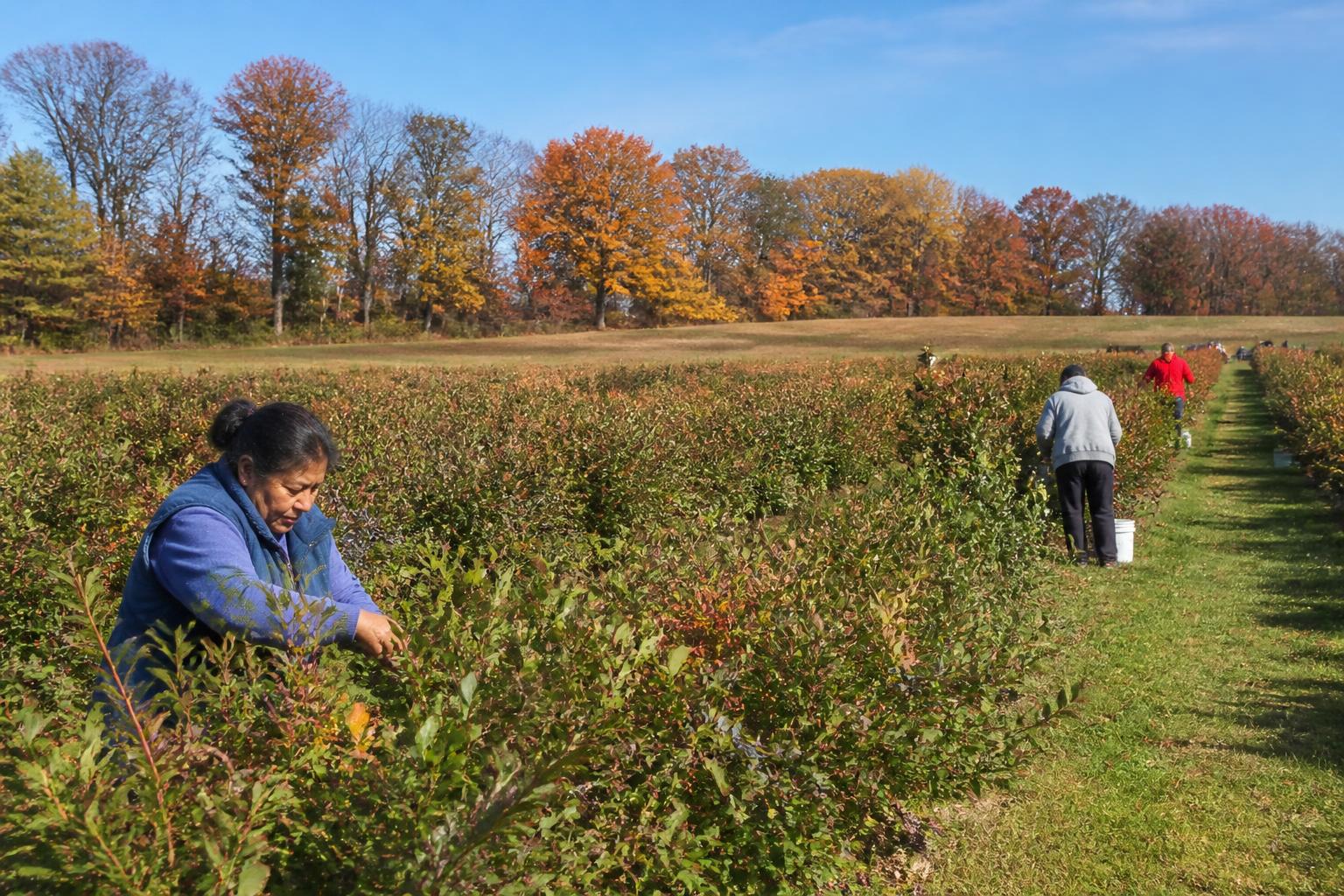
As we move through November in New Jersey, producers across the state are shifting their attention from harvest completion to post-harvest nutrient management and winter preparation. Whether you are working in the specialty berry sectors of Burlington County or managing diverse row crops in South Jersey, the current window provides a critical opportunity to assess soil health and evaluate fertilizer application strategies for the upcoming spring season.
Efficient nutrient management remains a priority for maintaining yield consistency in our unique coastal and sandy soil environments. Integrating modern data with traditional agronomic practices can help optimize input usage, particularly as fertilizer markets continue to respond to broader global agricultural trends. As noted in our recent analysis on balancing precision tech, making strategic decisions now regarding soil amendments can pay dividends when planting resumes.
Navigating Long-Term Asset Security
Beyond the field, many family-operated agribusinesses in New Jersey are evaluating the potential impacts of federal tax policy shifts, specifically regarding the stepped-up basis. For multi-generational farms, the future of land transfer and operational continuity is often tied to these tax structures. It is essential for operators to consult with financial advisors about how potential policy changes could influence long-term expansion plans or the transition of assets to the next generation.
Infrastructure and Seasonal Transitions
The logistics of moving fall harvests or preparing for incoming inputs like lime or winter fertilizers requires careful coordination, especially as we see shifting seasonal demands on local infrastructure. Ensuring that storage facilities are cleaned and ready for winter deliveries is a practical step that can prevent unnecessary delays or added costs during the busy spring scramble. Additionally, staying informed on long-term infrastructure requirements helps farms maintain the resilience needed to overcome regional bottlenecks.
What it means for the market: For the New Jersey producer, this is a time for proactive planning. By focusing on site-specific fertilizer needs and securing a robust understanding of how estate tax discussions might affect your bottom line, you are better positioned to protect your operation against future volatility. Focus on early-season procurement and financial planning to keep your agribusiness on steady footing through the winter months.
Comments
No comments yet - be the first to share your take.