
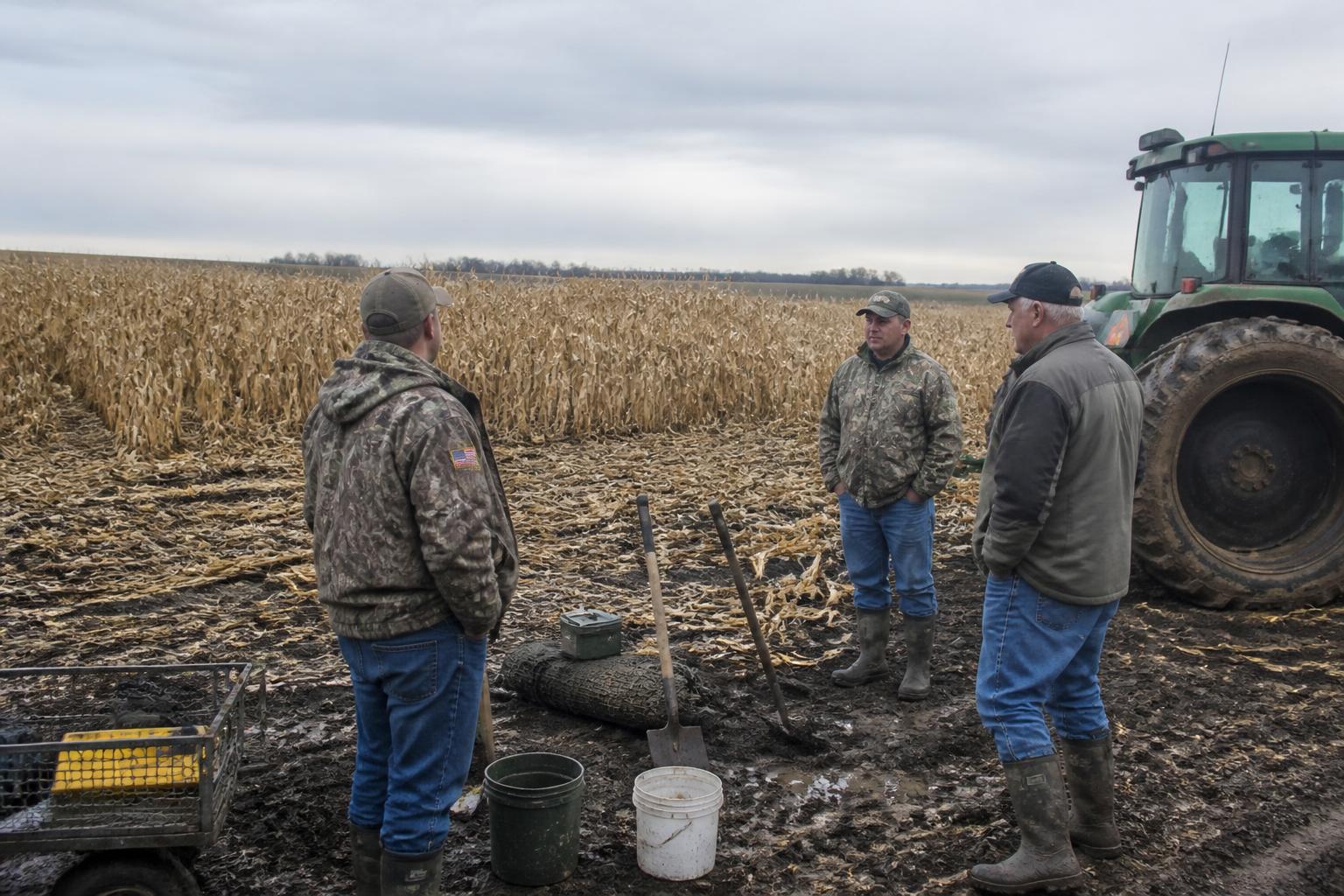
Nebraska producers continue to make progress in the fields as the fall harvest enters its final phase. While many regions in the state have reported strong yields this season, the pace has remained behind historical averages in some areas. Managing the remaining unharvested corn, particularly in fields that have dealt with excessive moisture, remains a critical focus for operators looking to wrap up the season successfully.
Amidst these field operations, market participants are keeping a close eye on data integrity. Following recent reporting inconsistencies, the USDA has announced the implementation of new AI-driven oversight tools designed to bolster the accuracy of crop production reports. For Nebraska grain handlers and input suppliers, this shift is intended to provide a more reliable picture of market supply, which is essential for informed decision-making in a high-stakes commodities environment.
Refining Logistics in a Variable Season
As the season winds down, logistics remain as crucial as ever. Farmers and carriers are coordinating closely to manage the flow of grain, especially as late-season challenges can complicate transportation schedules. Understanding the logistics and market realities of the Nebraska harvest is essential for minimizing downtime and ensuring that storage capacity is managed effectively as the last of the crop comes off the fields.
Regulatory and Operational Consistency
Beyond the immediate harvest, producers and agribusinesses in Nebraska continue to advocate for clarity regarding federal regulations, such as those related to water management. Consistent, predictable rules from agencies like the EPA are often cited as vital for long-term farm planning and operational stability. For those navigating input investments and land management, maintaining an active dialogue with industry organizations can help ensure that practical, on-the-ground perspectives reach regulatory bodies.
Key Takeaways for Producers
- Data Oversight: Keep informed on updated USDA reporting cycles as new validation tools are deployed.
- Field Conditions: Prioritize harvest in areas most impacted by recent rainfall to protect crop quality.
- Planning Ahead: Use the tail end of the season to audit storage capacity and refine input requirements for the coming cycle.
What it means for the market
For Nebraska’s agriculture sector, the dual focus on operational efficiency and data transparency is shaping the current market climate. While production numbers remain a foundational piece of the economic puzzle, the practical realities of managing harvest logistics and staying informed on regulatory shifts are what will ultimately determine the bottom line for many operations as the state heads into the winter months.
Comments
No comments yet - be the first to share your take.