
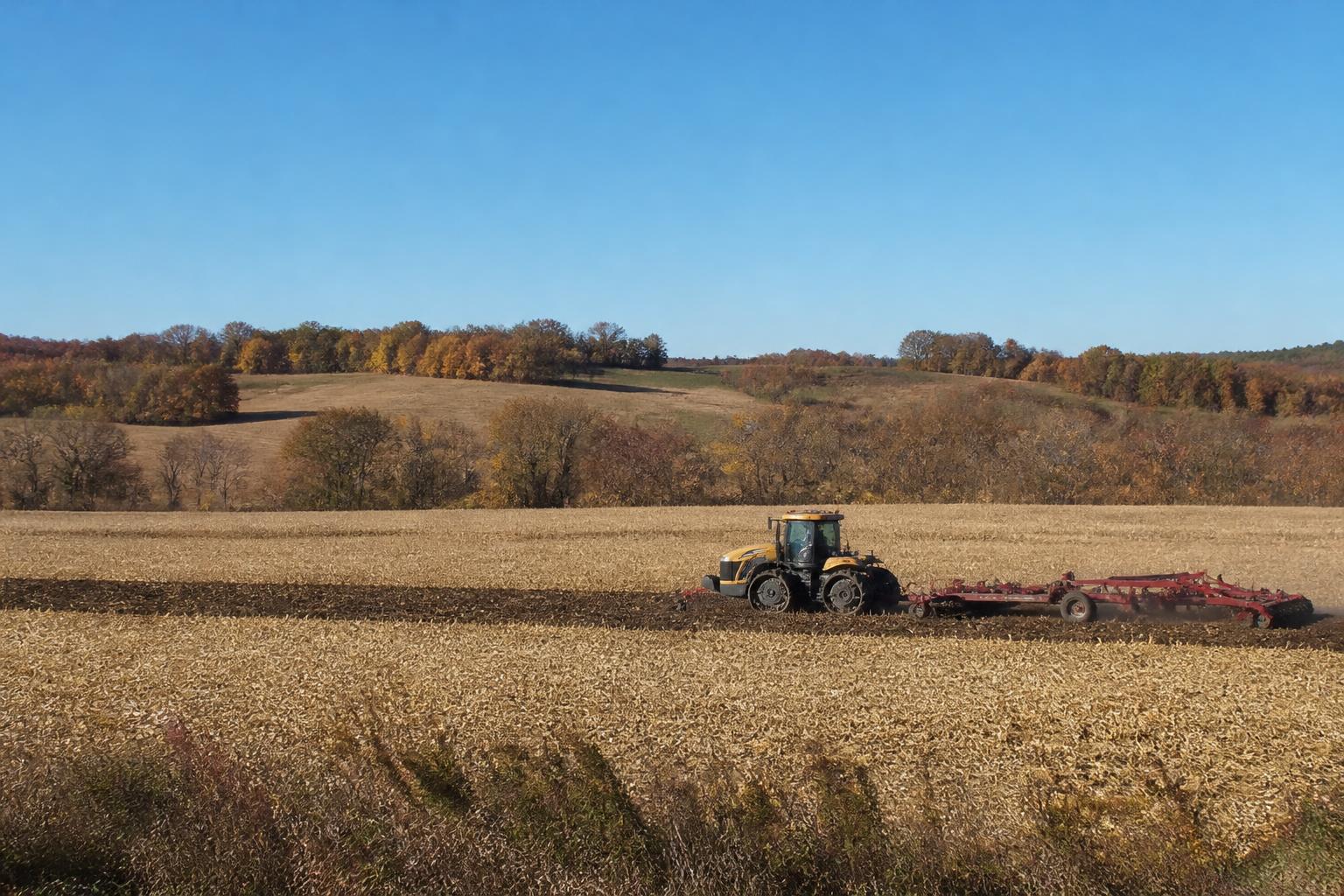
With the fall harvest cycle largely drawing to a close across North Dakota, agricultural producers are transitioning toward end-of-year management. As machinery makes its final rounds and tillage begins, the focus for many agribusinesses and operators shifts toward mitigating long-term operational risks, particularly regarding soil health and upcoming crop protection needs.
Addressing persistent challenges, such as emerging weed resistance, remains a priority for regional agronomists and farmers. Integrating proactive resistance management into fall field work can often help reduce pressure for the next growing season. For those assessing their long-term financial stability, evaluating financial protection and market resilience is a necessary step before year-end tax and planning deadlines.
Legislative Landscape and Market Sentiment
The broader market environment remains under observation as industry leaders continue to emphasize the importance of federal policy. The push for a new farm bill before the close of the calendar year is a recurring theme among stakeholders. Uncertainty surrounding these legislative outcomes can directly influence how producers approach input purchasing, especially as they balance rising costs for essentials like fuel and chemical applications.
For many, this is a period to refine strategy rather than expand. Understanding the current crop protection ROI is vital as margins remain tight. Maintaining operational agility—whether through locking in energy costs or reviewing land-use agreements—is a common strategy used to navigate periods of lower commodity price floors.
Focusing on Operational Efficiency
As the winter months approach, efficient use of capital is essential. Producers are increasingly scrutinizing the cost-benefit ratio of every input, from seed technology to herbicide programs. Beyond technical field decisions, many are finding that navigating operational uncertainty requires a diversified approach to risk, ensuring that the farm remains adaptable regardless of fluctuating input expenses or federal policy delays.
What it means for the market: For North Dakota agribusinesses, the current climate demands a disciplined approach. With the harvest effectively concluded, the emphasis moves toward securing favorable terms for spring inputs, monitoring legislative shifts in Washington, and implementing rigorous crop protection strategies to preserve yield potential for the coming year.
Comments
No comments yet - be the first to share your take.