
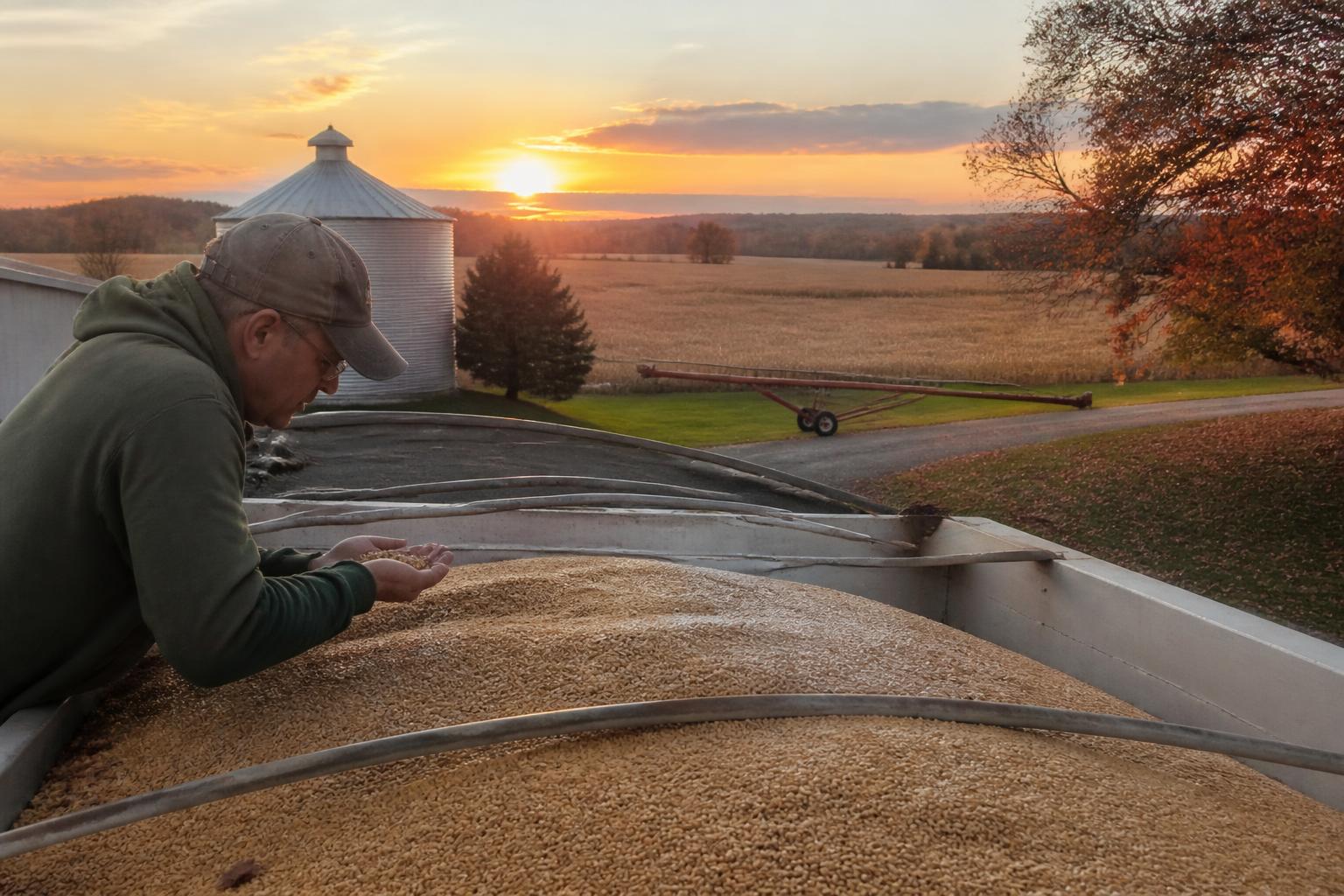
With the peak harvest season in the rearview mirror across Washington's diverse agricultural landscape, producers and elevator operators are transitioning their focus toward long-term inventory management. As is common in this region during the fall, maintaining grain quality within storage bins remains a top priority to protect against moisture accumulation and thermal fluctuations as temperatures continue to cool.
For many throughout the state, the current period represents a critical window to ensure that facilities are performing as expected. Proper aeration and frequent monitoring of bin temperatures can help prevent spoilage, ensuring that the crop remains in marketable condition until it is ready for transit to coastal export points.
Navigating Evolving Export Logistics
Logistical movements remain a point of discussion for Washington agribusinesses, particularly as export hubs adjust to shifting trade dynamics. Recent developments involving regional infrastructure suggest that terminal operators are actively seeking to broaden the scope of commodities handled, including ongoing interest in potash exports from local terminals. For growers, this evolution highlights the need to stay informed on regional capacity constraints, as accessing infrastructure efficiently during post-harvest windows can directly influence bottom-line performance.
Market participants continue to monitor how broader economic shifts and external trade pressures may impact local throughput. As producers evaluate their market timing and global trade exposure, the ability to effectively move grain through the Pacific Northwest corridor remains a vital component of the supply chain.
Strategic Planning for the Winter Months
As the season progresses, many in the industry are also looking ahead to input planning for the next cycle. The interplay between current storage requirements and future financial positioning is delicate. Growers who are weighing input costs alongside remaining inventory are finding that disciplined storage management is more than just a maintenance task; it is a fundamental strategy for managing volatility in the current market environment.
What it means for the market: For Washington grain handlers and producers, the current stability of stored grain is the foundation for future sales flexibility. As terminal activity remains subject to change, maintaining high-quality reserves allows businesses to adapt to shifting demand without being forced into disadvantageous delivery timelines.
Comments
No comments yet - be the first to share your take.