
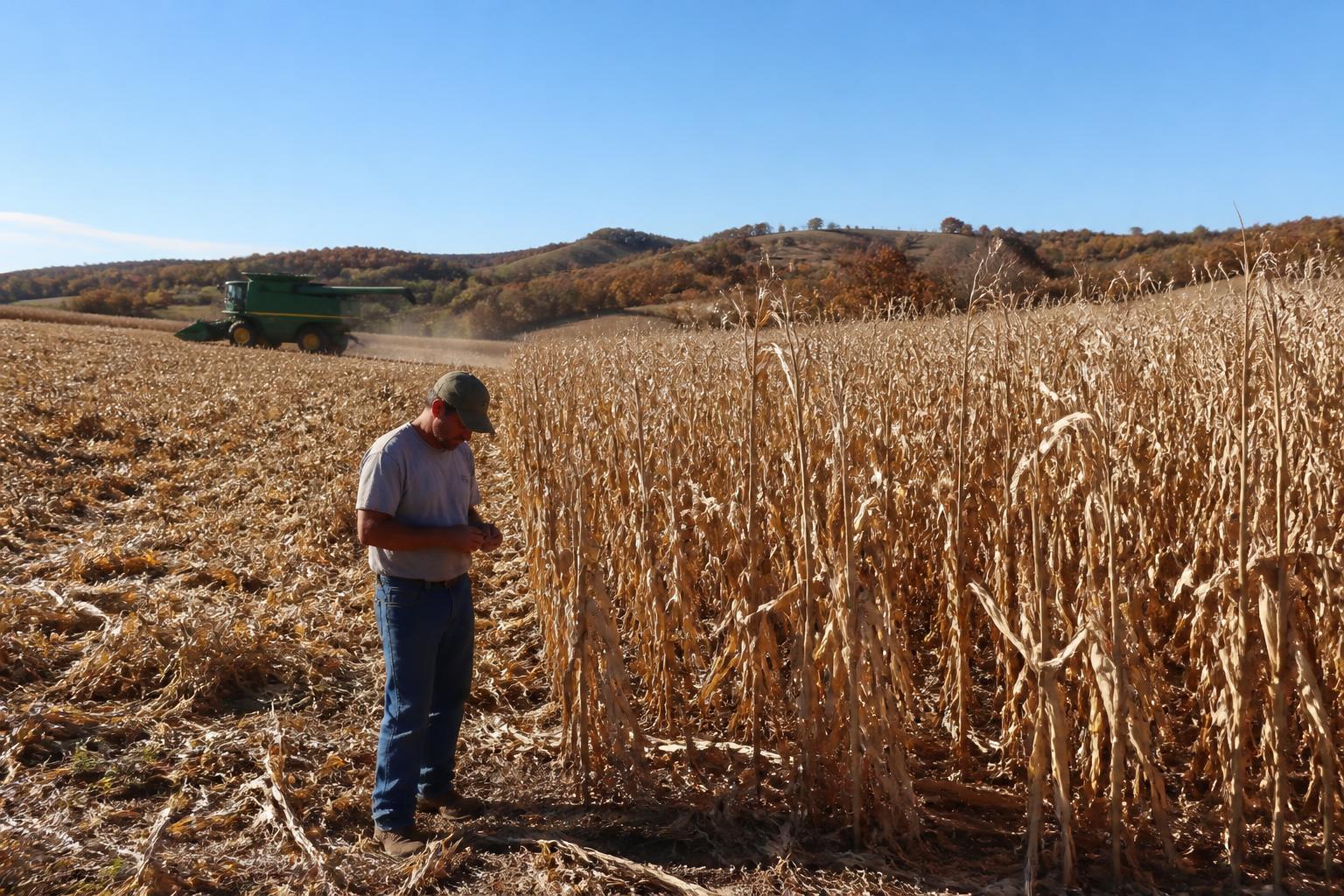
With the 2026 harvest cycle effectively drawing to a close across North Dakota, agricultural operations are shifting their focus from field logistics to year-end financial reconciliation. The conclusion of major harvests, including sugar beets, provides a moment to assess the interplay between regional yields and the broader market stability impacting our state's agribusiness sector.
For many growers, managing the financial risks associated with the season remains a priority. Recent developments in crop insurance protections provide a clearer picture for those finalizing their accounts. Understanding how harvest prices for major commodities correlate with insurance coverage is vital for long-term planning, especially as producers mitigating financial risk in North Dakota grain markets navigate current volatility.
Aligning Crop Protection and Financial Strategy
As fields transition into the fall landscape, the focus on crop protection and risk management does not end with the last pass of the combine. Producers are currently weighing input costs against recent market trends. The stability of our local agricultural economy often depends on how effectively operations can pivot when commodity prices fluctuate or when global demand shifts. For those still evaluating their annual performance, optimizing crop protection ROI as North Dakota harvest finalizes remains a critical component of preparing for the next production cycle.
Looking Toward Operational Stability
Beyond the immediate harvest results, the infrastructure and logistics supporting North Dakota agriculture continue to adapt to changing requirements. From discussions surrounding regional animal agriculture legislation to the ongoing monitoring of energy and fuel distribution, state stakeholders are continuously refining their approach to operational uncertainty. It is essential for producers to remain proactive, as North Dakota market updates regarding managing crop protection and yield realities this fall highlight the importance of staying ahead of seasonal shifts.
What it means for the market
The stabilization of harvest prices for corn and soybeans offers a baseline for producers to assess their revenue protection plans. While market volatility remains a constant variable, the clear data emerging from the conclusion of the 2026 harvest allows for more informed budgeting and input purchasing decisions. Producers should prioritize reviewing their insurance settlements and assessing their overall financial position as they move into the winter planning phase to ensure their operations remain resilient against the economic headwinds currently affecting the broader industry.
Comments
No comments yet - be the first to share your take.