
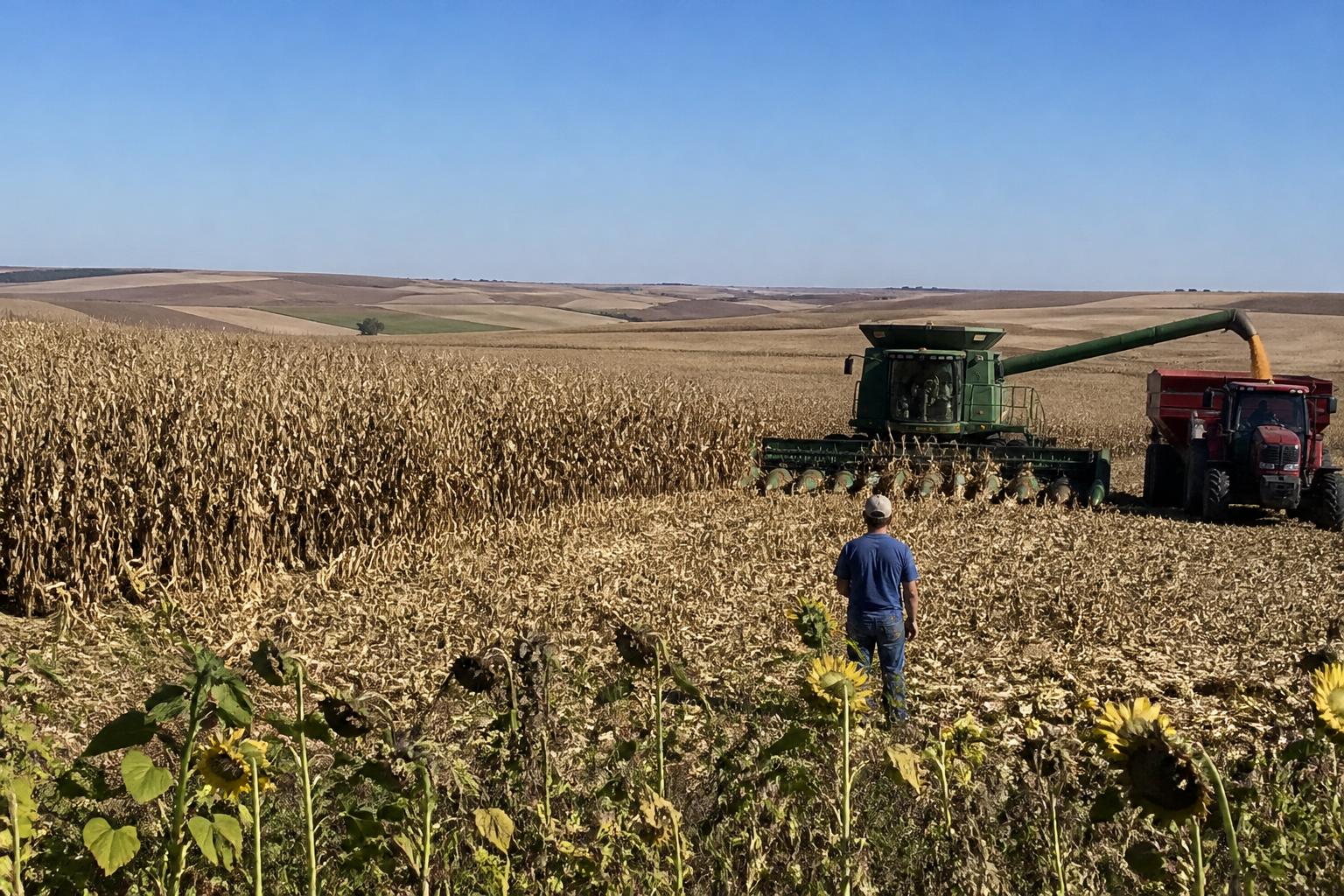
As harvest activities accelerate across North Dakota, producers find themselves navigating a complex landscape defined by shifting environmental pressures and market volatility. The transition into the peak of the season often highlights the necessity for producers to maintain a clear-eyed assessment of their current financial risk and grain storage strategies. With fluctuating moisture levels in fields and varying conditions across different counties, the ability to adapt to short-term logistical bottlenecks remains a priority for many regional agribusinesses.
Strategic Planning in a Volatile Environment
For many farm operations, this fall has brought a combination of familiar seasonal hurdles and emerging uncertainties. Beyond the immediate demands of gathering the crop, growers are evaluating how to effectively manage crop protection and yield realities to protect margins. This process often involves re-evaluating insurance coverage and supply chain pathways to ensure that both input costs and final product movement are as shielded as possible from unexpected disruptions.
Logistics and Market Resilience
The state's infrastructure, from its major rail-served grain elevators to the local trucking corridors, continues to serve as the backbone of the harvest season. Historical institutions like the North Dakota State Mill demonstrate the long-term value of maintaining robust supply chain practices, even when faced with immediate, unforeseen pressures. As harvest moves toward completion, monitoring regional storage capacity and secondary transport availability can provide critical insights for those looking to maintain orderly marketing throughout the coming months.
What it means for the market
The convergence of seasonal harvest pressures and broader economic uncertainty places a premium on risk mitigation. By focusing on flexible storage and insurance strategies, North Dakota producers can better insulate their bottom line against the volatile factors currently influencing the agricultural sector. Keeping close watch on local logistical developments and maintaining proactive engagement with crop protection planning remain the best tools for navigating the remainder of the fall season.
Comments
No comments yet - be the first to share your take.