
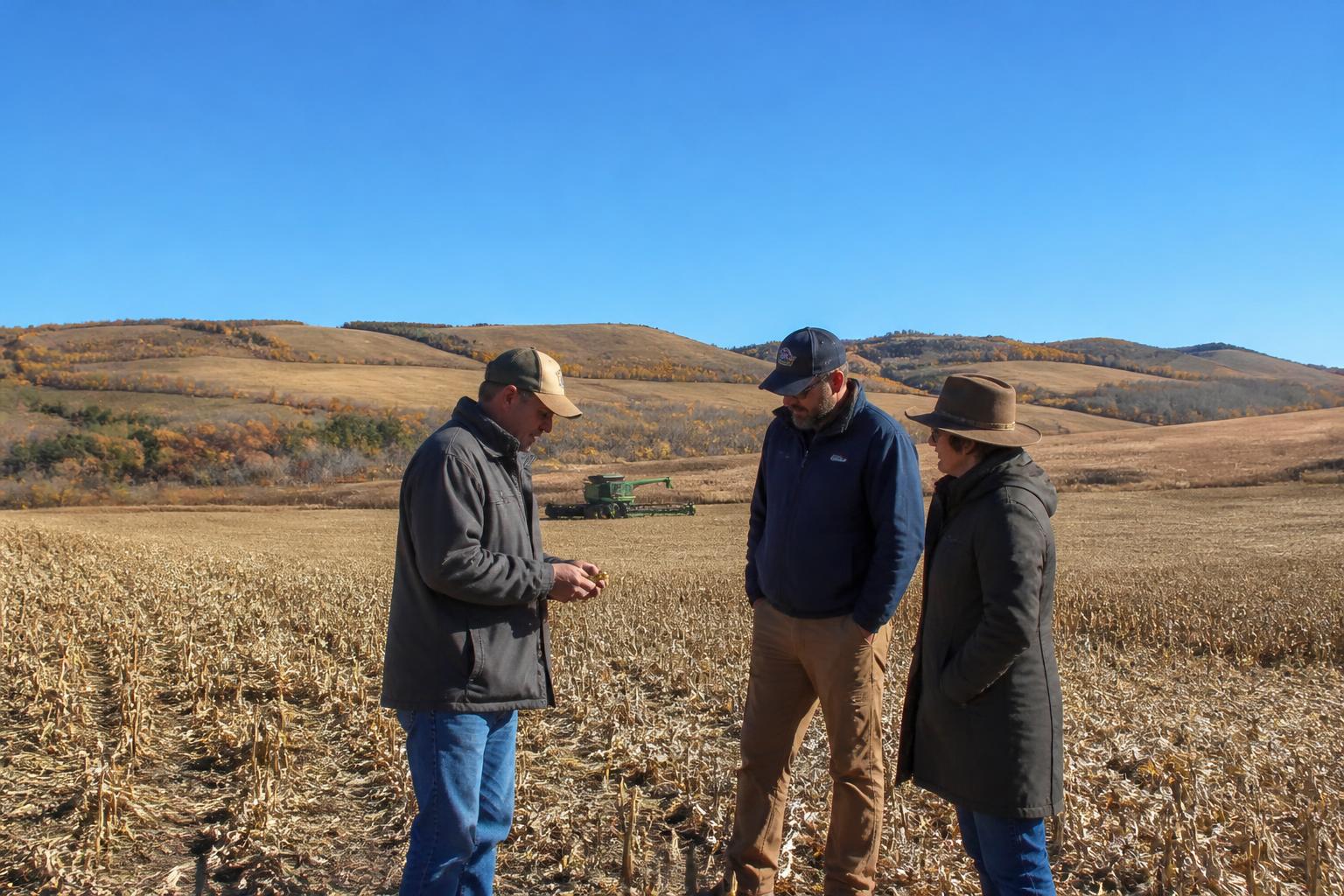
With the harvest season largely behind us across North Dakota, agribusinesses and producers are pivoting toward operational adjustments for the next cycle. The recent fall period has highlighted the ongoing necessity of strategic post-harvest risk management as producers look to secure financial footing amid a tightening economic landscape.
For many ranchers and grain farmers, the conversation is increasingly centering on the long-term viability of soil health and its correlation to overall profitability. Discussions surrounding regenerative agriculture continue to gain traction, with federal engagement emphasizing the potential link between land management practices and broader agricultural success.
Infrastructure and Regulatory Focus
Beyond the field, logistics remain a critical point of concern. While industry stakeholders track developments in potential infrastructure investments, the practical reality of high operational costs persists. Persistent concerns regarding diesel prices continue to impact margins, and while some tax relief measures have been discussed, many producers report that these policies have had a limited impact on their daily bottom lines. Navigating these constraints requires a disciplined approach to capital allocation as we move into the winter months.
Looking Ahead to Policy Priorities
The legislative front remains a priority for North Dakota’s agricultural community, particularly regarding the status of the Farm Bill. Industry groups have consistently urged lawmakers to reach an agreement before the end of the year to provide much-needed certainty for the next planting season. Maintaining financial resilience and infrastructure security is essential for operations preparing for the challenges of the upcoming year, especially as equipment manufacturers continue to adjust production strategies and footprints across the Midwest.
What it means for the market
Producers should expect a period of continued cautious spending. With volatility remaining a fixture in the market, the ability to pivot between input efficiency and soil health initiatives may define the competitive advantage for individual operations. Keep a close watch on federal policy, as any movement on the Farm Bill in the coming weeks could shift the outlook for input subsidies and risk protection programs.
Comments
No comments yet - be the first to share your take.