
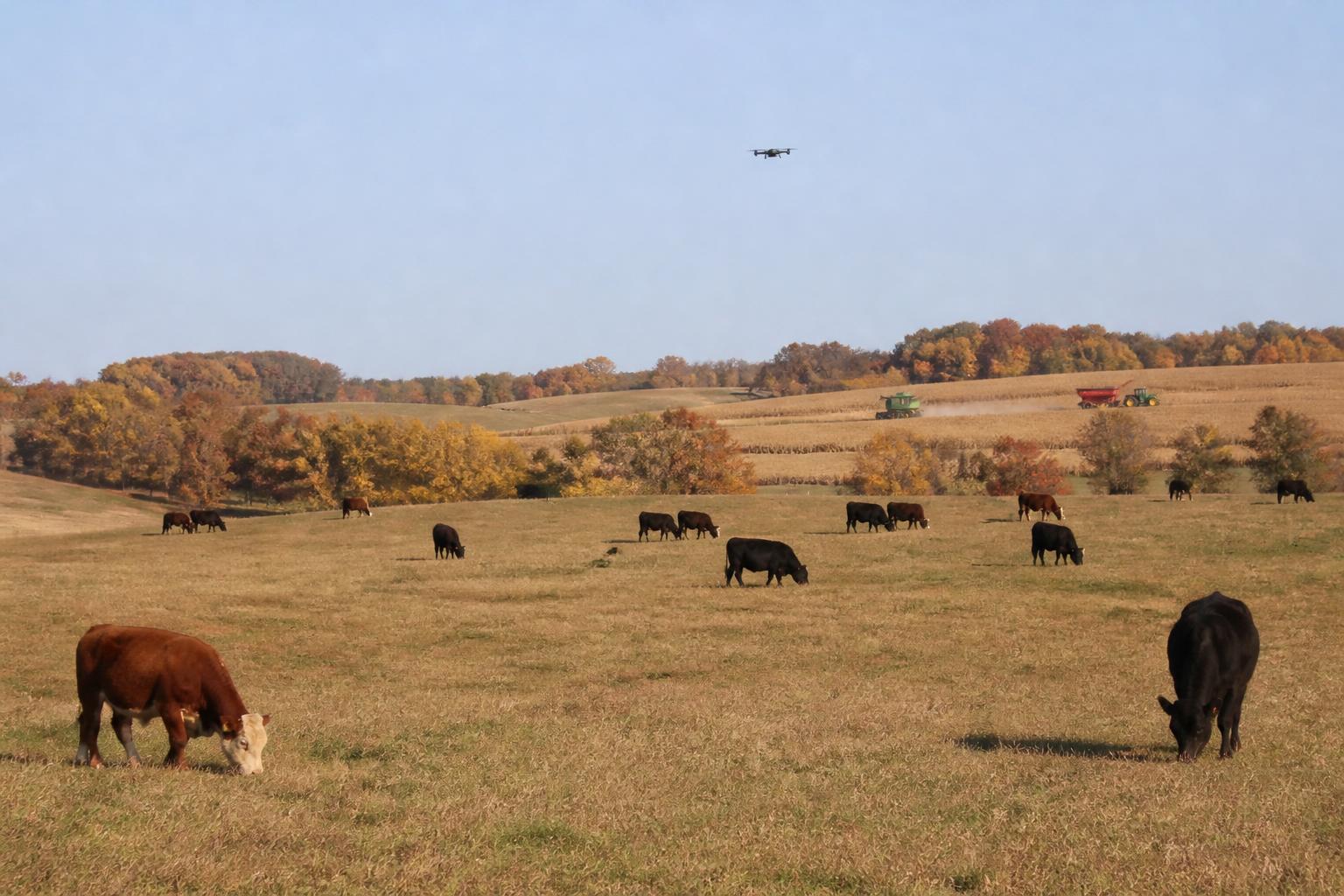
As the fall season progresses, agricultural operations across South Carolina are shifting focus from peak harvest windows to year-end management. Producers are currently navigating a complex market environment characterized by fluctuations in livestock valuations and ongoing efforts to integrate local commodities into school nutrition programs. For those looking to manage inventory effectively, understanding these regional shifts is critical to buying and selling grain in South Carolina with greater precision.
Livestock Market Headwinds
Recent data indicates a cooling trend in cattle markets, with feeder steers and slaughter cows experiencing downward price pressure. This softening in the livestock sector often reverberates through local grain demand, particularly as feedlot operators and cattle producers re-evaluate their input costs heading into the winter months. Growers who rely on local livestock demand for their feed-grade output may find it prudent to monitor regional sale barn reports closely.
Focus on Regional Stability
South Carolina's agricultural community continues to invest in long-term viability. Recent initiatives, such as the recognition of local school districts for their commitment to serving South Carolina-grown food, highlight a strengthening connection between local producers and institutional buyers. Additionally, research efforts led by institutions like Clemson University remain essential for protecting the state's crop yields against invasive pests, a key factor in maintaining the consistency of supply for local handlers.
Logistics and Resource Management
As field work concludes, the focus shifts to equipment maintenance and land preparation. Maintaining efficient logistics and securing supply lines remains a priority for agribusinesses, particularly as they manage inputs like fertilizer against a backdrop of global supply chain complexities. Ensuring that grain handling and storage infrastructure remains in top condition is essential for capitalizing on potential price swings in the coming months.
What it means for the market
The current market landscape encourages a disciplined approach to grain marketing. With cattle prices cooling and institutional demand showing growth through local food initiatives, farmers should weigh the benefits of immediate post-harvest sales against holding for potential basis improvements. Staying informed on state-level developments and regional logistics will be the most effective way for South Carolina producers to navigate this late-fall cycle.
Comments
No comments yet - be the first to share your take.