
Adapting to Evolving Biosecurity Concerns
As the fall harvest winds down across New Mexico, producers are keeping a close watch on regional biosecurity. Recent reports of New World screwworm activity, exacerbated by warm and wet weather patterns, have placed ranchers and livestock handlers on high alert. This ongoing struggle with pest management often requires increased vigilance at the state level to protect herd health and maintain market access for cross-border trade.
For those managing animal health, the increased focus on surveillance remains a priority. Heightened biosecurity measures and regulatory monitoring often influence how regional livestock moves along primary corridors. Ensuring that local facilities and transit protocols remain compliant is essential as the state coordinates with federal agencies to mitigate these biological threats.
Policy Shifts and Operational Costs
Beyond immediate livestock health, agricultural producers in New Mexico are tracking broader policy discussions in Washington. With the industry navigating potential changes to federal land and ranching regulations, many operations are reviewing their long-term stability and land-use strategies. These policy headwinds, coupled with the seasonal operational shifts typical of a New Mexico autumn, mean that growers and ranchers are prioritizing flexibility in their business models.
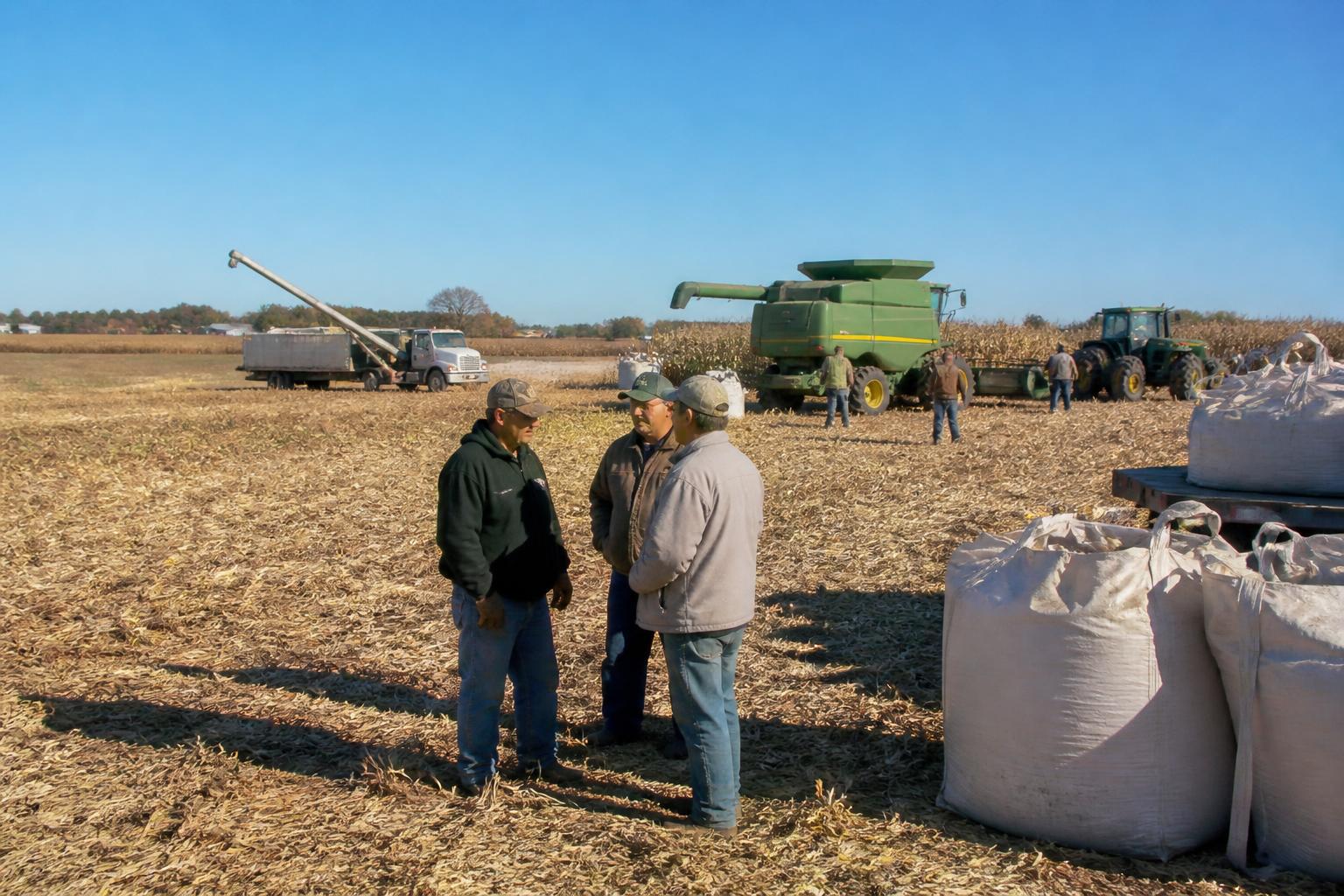
Input costs and logistics continue to play a critical role in profitability. As demand in the broader agricultural supply chain remains steady, firms are looking for ways to streamline their handling processes. From the storage needs of grain handlers to the packaging requirements for inputs, efficient movement of commodities across the state remains a vital component of the local bottom line.
What it means for the market
New Mexico's agricultural market is currently defined by a need for resilience. Whether producers are dealing with the logistical reality of managing pests or preparing for potential policy updates, the focus remains on operational efficiency and risk management. As we head further into the late year, maintaining clear communication with trade partners and staying informed on regulatory updates will be key for navigating these localized challenges.
Comments
No comments yet - be the first to share your take.