
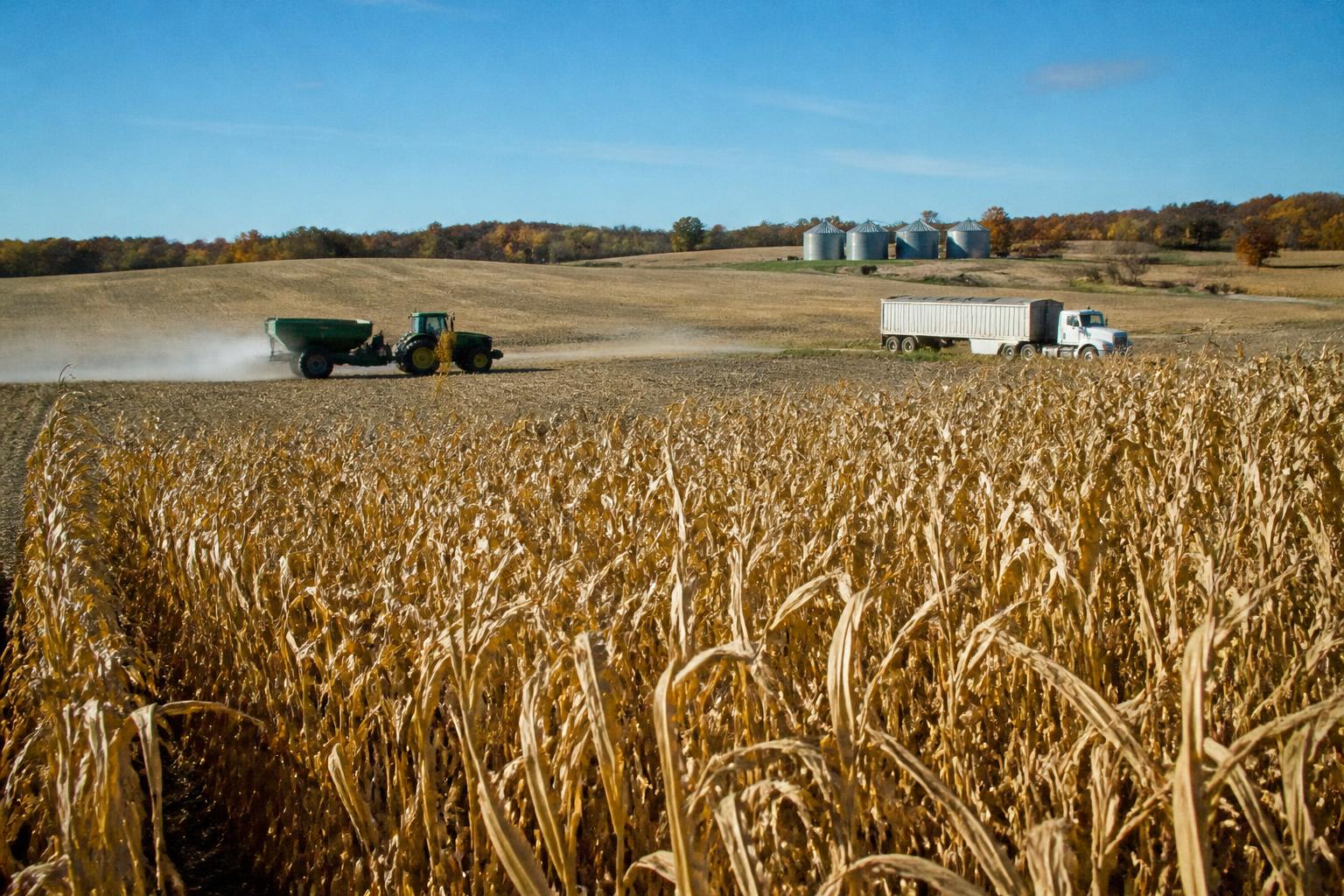
Illinois farmers are navigating a shifting market landscape this November as recent federal data reveals tighter-than-expected grain supplies. The latest reports have spurred a notable rally in corn and soybean prices, catching many in the industry off guard as they move through the final stages of the fall season. For producers and grain handlers, this volatility underscores the necessity of remaining agile with both marketing strategies and facility management as supply chain pressures persist.
Impact of Revised Yield Estimates
The adjustment in yield projections has immediate consequences for the regional grain storage landscape. As producers assess whether to hold inventory for potential further price appreciation or move grain to clear space for pending deliveries, the focus shifts toward local elevator capacity. In parts of the state where yields hit high-performance targets, storage limitations continue to create logistical bottlenecks, forcing many to evaluate off-farm storage solutions or accelerated transport plans.
Input Planning and Seasonal Shifts
While the market responds to current stock reports, the field-level focus is transitioning toward preparation for the next cycle. The recent cooling trend across the Midwest is expected to accelerate fall fertilizer application programs. Producers are balancing these immediate input requirements with the broader economic context, including persistent international trade tensions that continue to influence global demand for U.S. exports.
Key Takeaways
- Market prices have shown strength following downward revisions to national ending stocks.
- Elevator capacity remains a critical pressure point in areas with high regional output.
- Favorable weather conditions are supporting a push to finalize nutrient applications before winter dormancy.
- Producers are increasingly evaluating flexible land lease structures as they project future production costs.
What it means for the market: The current rally serves as a reminder of how quickly federal data can reshape regional profitability. As the industry processes these updates, producers are urged to closely monitor local basis levels and input availability. For those managing operational logistics and harvest storage, the window to optimize current margins is closing as the focus shifts toward winter preparation and long-term enterprise planning.
Comments
No comments yet - be the first to share your take.