
The Pressure on Mississippi Grain Movement
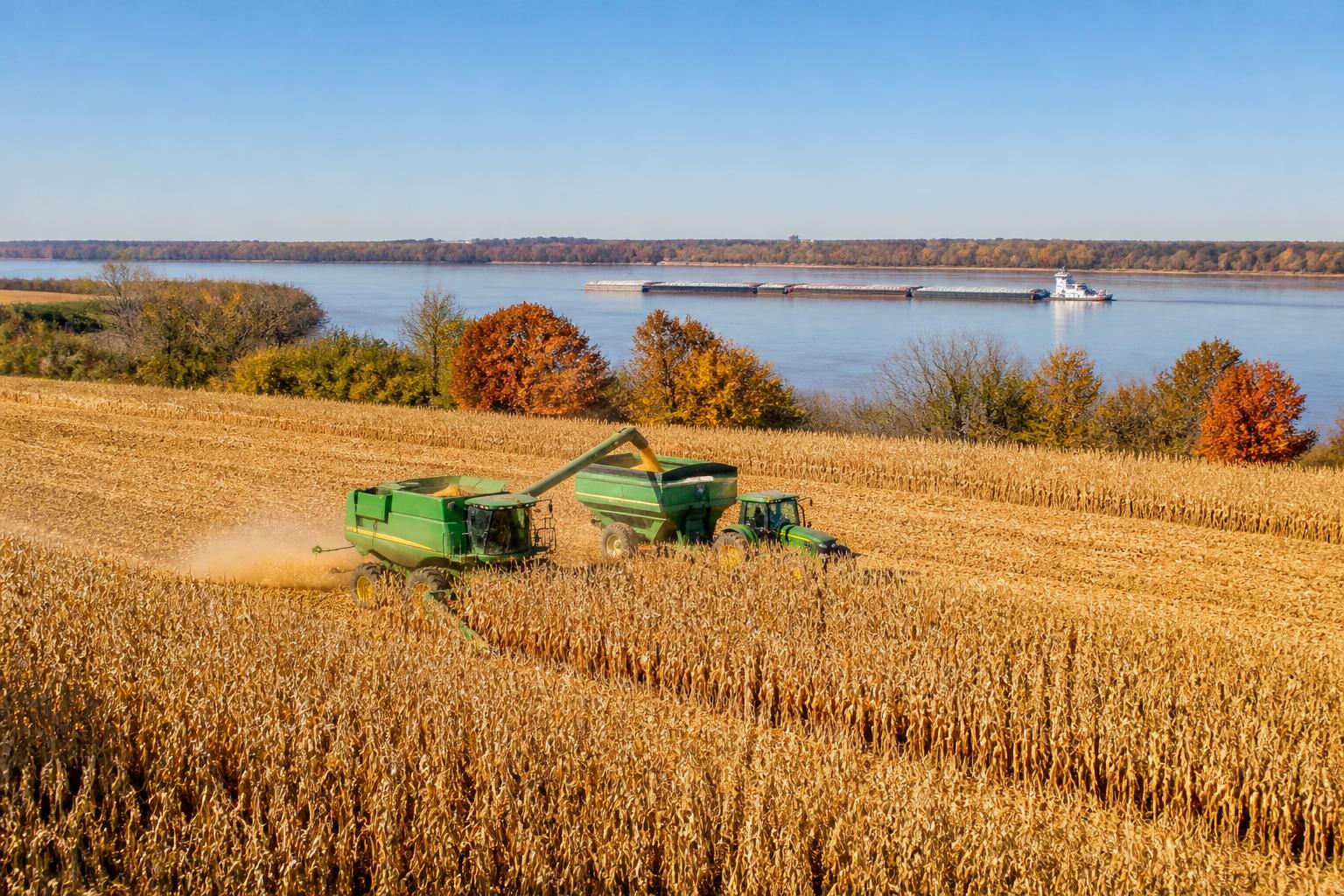
As Mississippi producers wrap up late-season field operations, the focus is shifting from yield performance to the complexities of the supply chain. For many agribusinesses operating along the Mississippi River corridor, the reliability of inland waterway transportation remains a critical factor in maintaining competitive grain basis levels. Recent industry reports suggest that a long-term trend of a shrinking barge fleet, coupled with rising replacement costs, could place a silent, persistent strain on grain export capacity from the Gulf Coast.
For local elevators and shippers in the Delta region, this means that even when harvest volumes are strong, the physical ability to move grain to global markets may face periodic bottlenecks. While farmers are typically accustomed to seasonal variations in freight costs, the structural aging of the fleet is a development that market analysts are monitoring closely as it may influence how grain moves through major hubs throughout the upcoming export season.
Understanding Basis Impacts
Grain basis in Mississippi is sensitive to the efficiency of the regional transport network. When the inland waterway system experiences stress, the cost of moving commodities often increases, which is frequently reflected in wider basis levels for local producers. Because the Mississippi River is such a vital artery for moving regional crops, any disruption—whether driven by fleet availability, weather-related water level fluctuations, or infrastructure challenges—can echo quickly through the local market.
Producers and regional grain handlers are encouraged to maintain a focus on their local Mississippi grain markets to navigate these shifts. Keeping an eye on localized storage alternatives and diversifying movement strategies may help mitigate some of the risks associated with potential transport delays.
Logistical Outlook and Market Resilience
While the broader agricultural community often deals with fluctuating input costs and volatile export demand, the physical logistics of the waterway system are often overlooked until capacity tightens. In the current environment, the industry is balancing strong yields against a more restrictive transport landscape. Staying informed on barge availability and river throughput remains essential for those looking to manage their margins as we head into the winter months.
Key Takeaways
- The shrinking inland barge fleet represents a structural challenge that may affect export competitiveness in the coming seasons.
- Regional basis levels in Mississippi remain tied to the efficiency of river logistics; watch for widening spreads during peak shipping periods.
- Diversifying grain marketing strategies and maintaining flexibility in storage can help producers manage localized transport risks.
What it means for the market: For Mississippi agribusiness, the takeaway is one of heightened attention to logistics. While immediate harvest pressure is easing, the long-term tightening of the barge fleet means that market participants should account for potential transport premiums and supply chain friction in their seasonal planning.
Comments
No comments yet - be the first to share your take.