
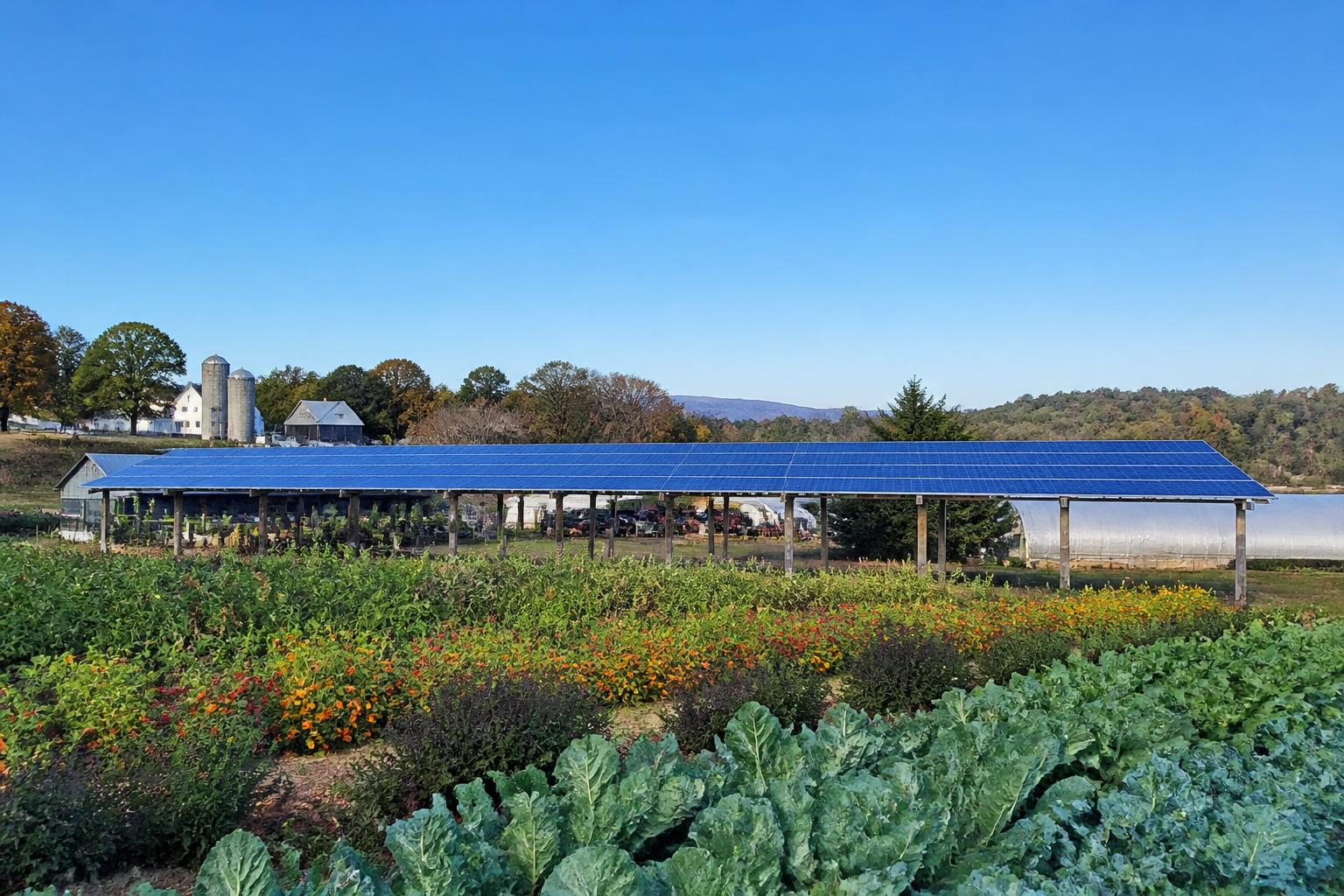
As the agricultural landscape across Virginia continues to evolve, producers are looking for innovative ways to balance land productivity with long-term climate resilience. Recent developments in agrivoltaics, where solar panels are integrated directly into crop production areas, highlight a growing interest in dual-purpose land management. By providing shade and localized microclimates for specific crops, these systems offer a unique layer of protection against the intense sun and fluctuating weather patterns that can impact regional yields.
Land Use and Innovation on the Eastern Shore
In various parts of the state, particularly the Eastern Shore, managing the intersection of soil health, land cover, and economic viability remains a priority. The rise of community-driven agricultural projects that blend renewable energy with food production serves as a testing ground for these models. For local growers, the adoption of such technology is often driven by the need to maintain farm viability amid broader shifts in agricultural input availability and changing regional environmental pressures.
Adapting to Evolving Agricultural Logistics
Beyond field-level innovations, the movement of goods and resources remains a critical component of the Virginia agribusiness sector. Whether dealing with the integration of new technology or managing seasonal crop logistics, maintaining efficient supply chains is vital. Farmers are often encouraged to evaluate how infrastructure investments, including state-supported fertilizer and storage upgrades, can work alongside new land management practices to optimize total farm output.
Key Takeaways for Producers
- Consider the potential for agrivoltaics to mitigate heat stress for high-value specialty crops.
- Monitor how regional land cover changes are influencing local water drainage and soil conservation efforts.
- Align farm technology investments with broader state and federal grants that target modern agricultural efficiency.
What it means for the market: For the Virginia agribusiness community, the trend toward agrivoltaics represents more than just energy production; it is an emerging strategy for crop protection and land diversification. Producers who explore these dual-use systems may find better long-term stability in their operating models as they hedge against the uncertainties of traditional land management and logistics costs.
Comments
No comments yet - be the first to share your take.