
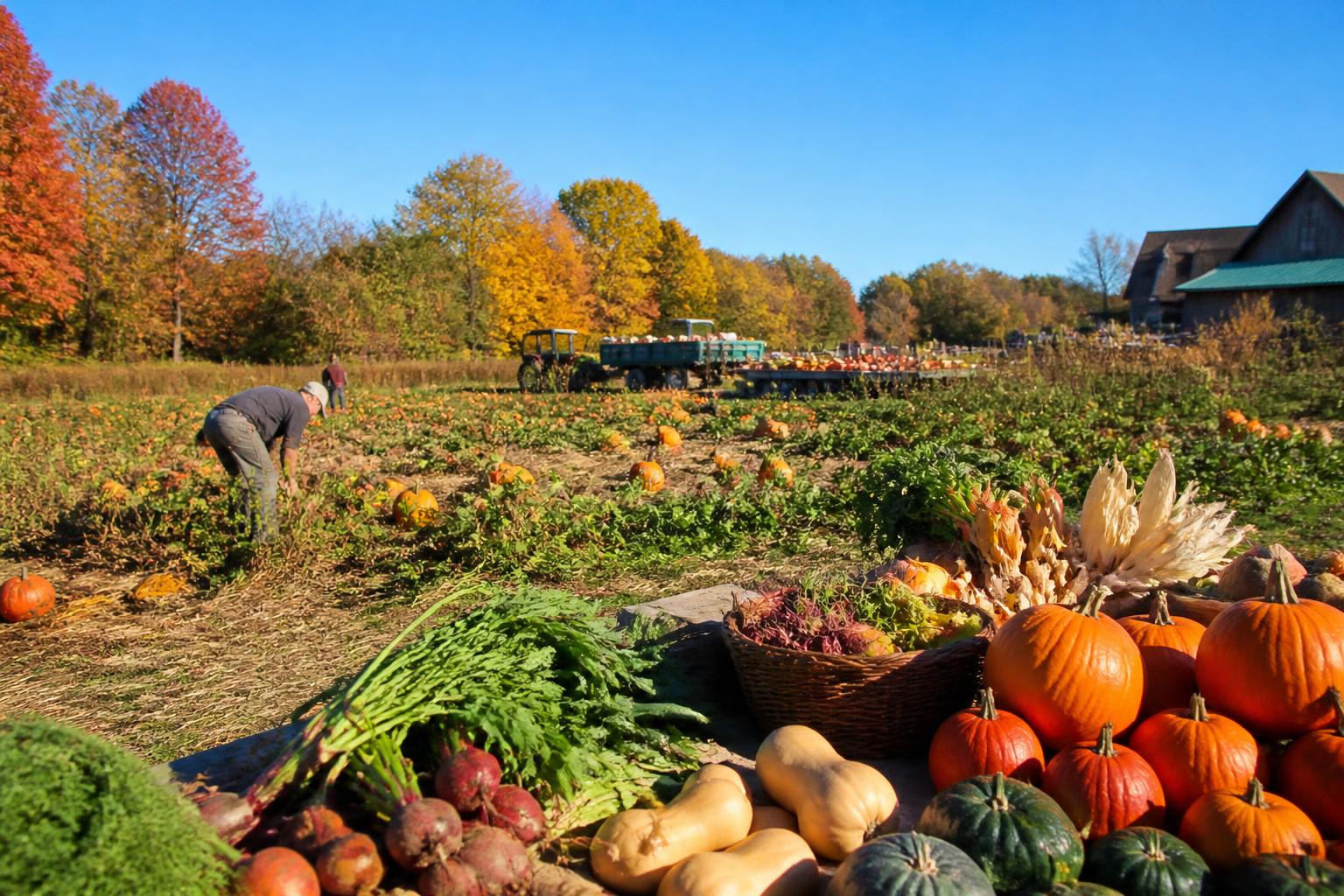
As New Jersey producers wrap up their fall fieldwork, the focus is shifting toward long-term land management and resource stewardship. With the harvest season nearing its end across the Garden State, growers are increasingly looking at ways to stabilize production environments and improve soil health for the coming cycles. The renewal of key farm conservation partnerships between state and federal agencies offers a vital pathway for those looking to invest in infrastructure and sustainable practices.
These collaborations are designed to assist operations in navigating the complexities of modern agricultural production, particularly for specialty crop growers. By aligning local expertise with federal resources, farms in regions ranging from the fertile soils of the Delaware Valley to the coastal plains can better manage the environmental challenges inherent in high-density production areas.
Targeting Support for Specialty Crops
Specialty crop producers continue to be a cornerstone of New Jersey's agricultural output. Recent federal investment initiatives aim to support this sector through grants targeting project-based improvements. Whether a farm is looking to modernize irrigation systems or implement advanced integrated pest management, these programs are intended to lower the barrier to entry for conservation technology. For producers, this means a chance to optimize resource usage, which can significantly impact input cost management during a time of tightening margins.
Building Operational Stability
As the sector moves into the winter months, administrative and logistical planning becomes just as critical as the physical work performed in the field. Beyond conservation, growers are encouraged to review their long-term operational strategies to ensure they remain competitive. Staying informed on late-season market shifts can also provide a buffer against regional economic fluctuations that often impact agricultural profitability at the end of the calendar year.
What it means for the market
For New Jersey agribusinesses, the current focus on conservation and specialty crop funding suggests a move toward higher efficiency and reduced environmental overhead. Operators who actively engage with these renewed partnership frameworks may find themselves better positioned for the upcoming planting season, with improved soil viability and potential cost savings on inputs. Maintaining strong ties with state-level advisory bodies and staying updated on federal grant availability remains a practical strategy for hedging against the unpredictability of regional market pressures.
Comments
No comments yet - be the first to share your take.