
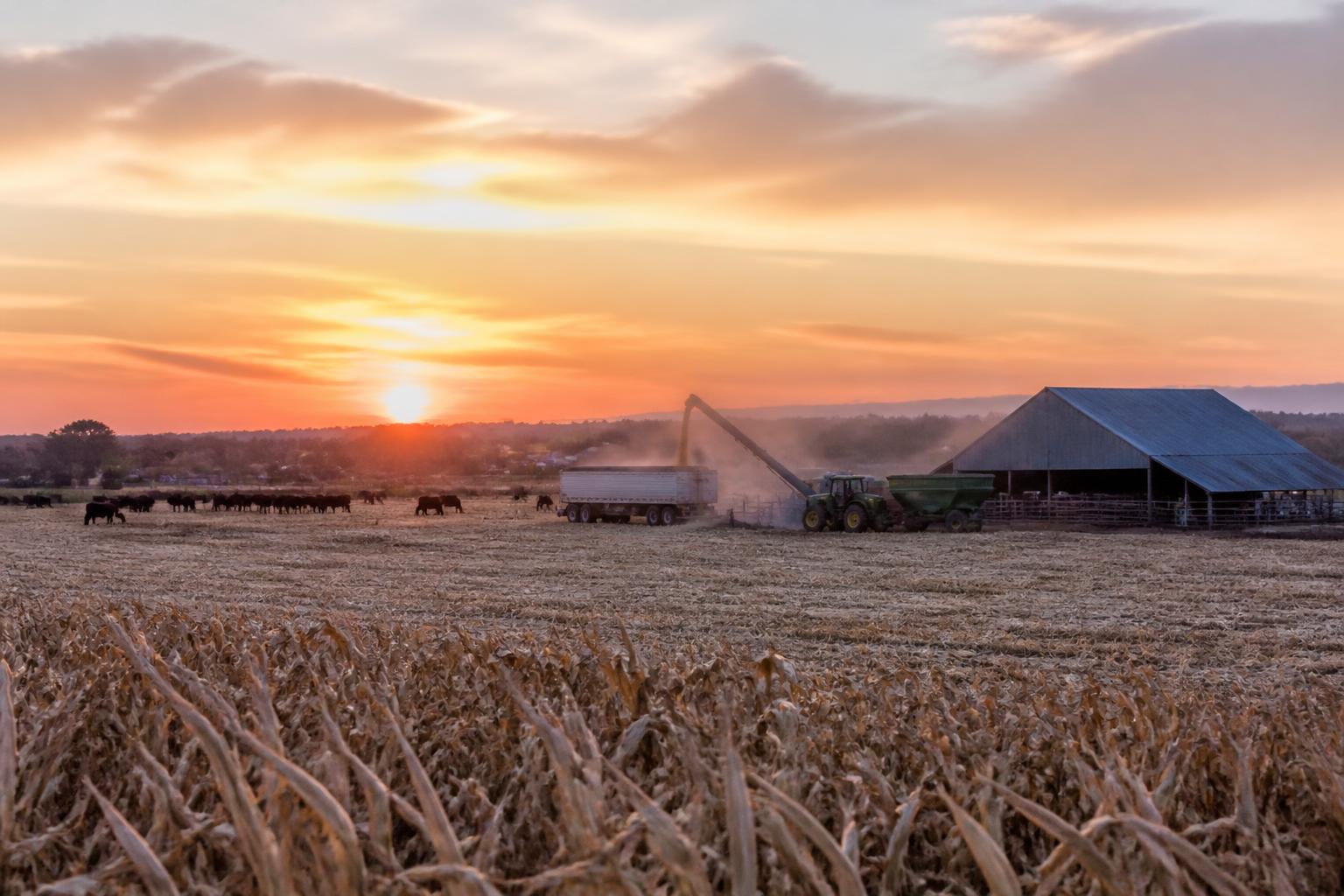
Texas grain producers are navigating a complex market environment this fall, characterized by a mix of domestic demand stability and persistent international uncertainty. While local harvest activity concludes, market participants continue to keep a close watch on how global geopolitical events influence wheat price benchmarks. Producers in key growing regions, from the Panhandle to the Coastal Bend, are balancing these external pressures against local operational costs.
The corn sector remains a primary focus, with market analysts tracking firm demand patterns despite projections of a broader national supply outlook. For those looking to optimize their positions, staying informed on local grain buyers and current market pricing is essential for navigating the remaining inventory as year-end approaches.
Global Influences on Wheat Pricing
International conflict continues to be a central theme for wheat markets, introducing a layer of volatility that Texas farmers must account for in their risk management strategies. Because global production flows directly impact export demand, Texas producers often see these ripples reflected in regional elevator bids. Uncertainty in the Black Sea region typically leads to periodic market fluctuations, requiring growers to remain agile with their storage and sales decisions.
Policy Shifts and Agricultural Focus
The recent transition in leadership for the Texas Department of Agriculture has brought new attention to the intersection of traditional production and state resource management. With an emphasis on addressing food costs and supporting local ranching and farming operations, producers are looking toward upcoming legislative sessions for potential impacts on land use and ag-related infrastructure. Issues surrounding rural land preservation and the competitive use of land for non-agricultural development remain top-of-mind for many stakeholders across the state.
What it means for the market
For Texas agribusinesses, the combination of global supply-chain sensitivity and shifting state policy highlights the need for a cautious, data-driven approach to the coming quarter. Producers should prioritize localized storage strategies and maintain open lines of communication with their buyers to mitigate the impact of ongoing price volatility while keeping an eye on how state-level administrative changes may influence production inputs in the seasons ahead.
Comments
No comments yet - be the first to share your take.