
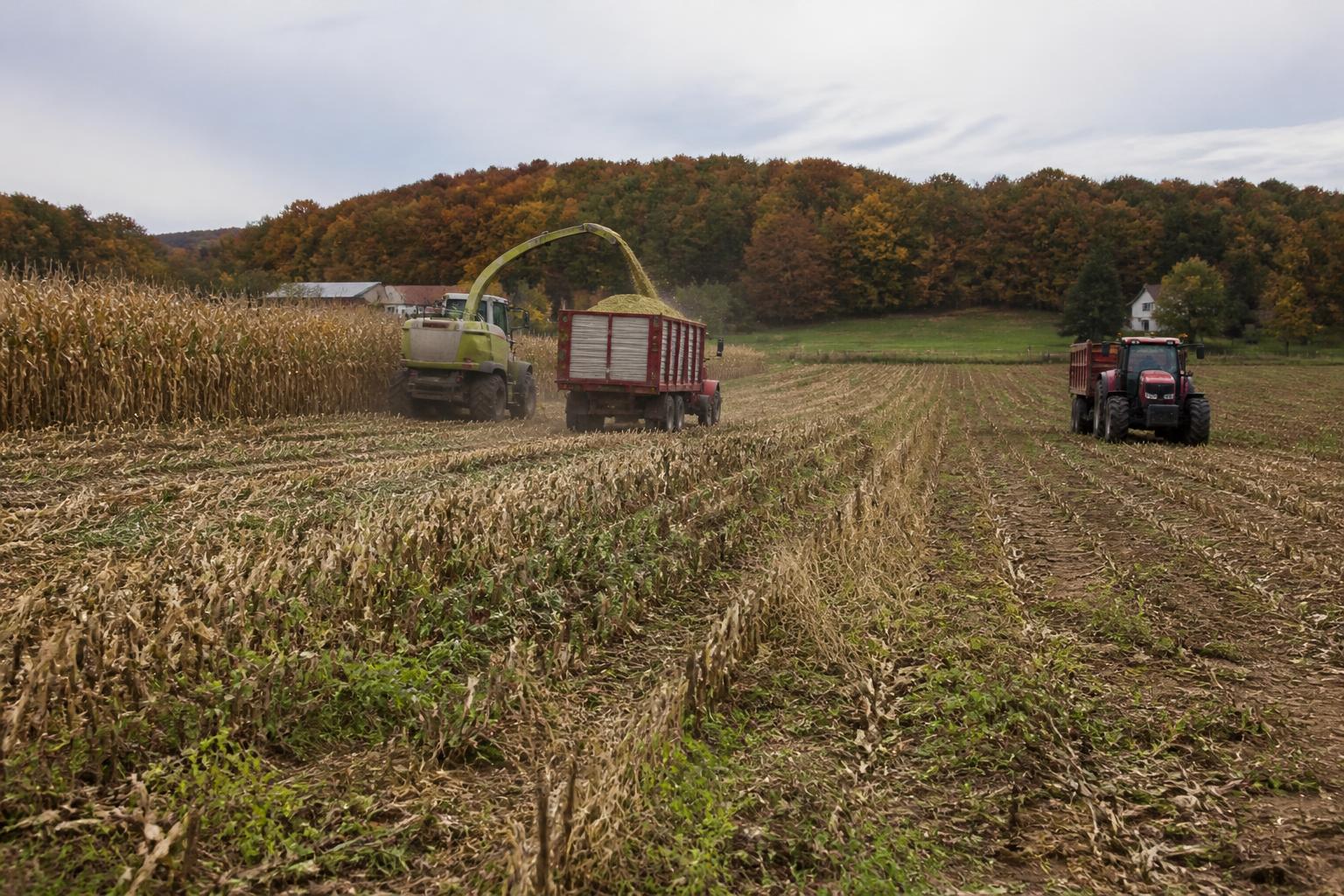
As Maryland farmers wrap up the final stages of the fall harvest, attention is shifting toward winter planning and land management strategies. For producers evaluating potential expansion or changes to their acreage, understanding the history of the soil is as vital as the lease agreement itself. Experienced operators often emphasize that knowing exactly who farmed a specific plot before you can reveal crucial data about yield potential, input history, and underlying agronomic challenges.
Prioritizing Transparency in Leasing
Leasing land requires a clear line of communication regarding previous crop rotations and chemical applications. When entering new agreements, verifying the operational history helps prevent surprises during the upcoming spring planting season. Consistent documentation of field health is not only a best practice but a necessary step for maintaining safe and efficient grain logistics as you look toward next year's output.
Leveraging Soil Health Funds
With the current focus on long-term productivity, Maryland producers have access to state-backed support for conservation. The Healthy Soils Fund provides opportunities for farmers to secure financial assistance for projects that improve land quality and sustainability. Securing this type of investment can be a strategic way to offset operational costs while boosting the environmental value of leased acreage.
As you transition into the winter months, taking the time to audit your current land portfolio and identifying where conservation improvements can be made remains a priority. Whether you are adjusting your strategy to sell grain in Maryland or simply planning for next year's input needs, proactive management now will pay dividends when the soil warms in the spring.
What it means for the market
The convergence of available conservation funding and a more rigorous approach to land lease vetting suggests a shift toward higher-value, data-driven farming in Maryland. Producers who prioritize transparency and soil health are likely to see better stability in their long-term operations, creating a more reliable supply chain for the state's grain handlers and agribusiness partners as we move through the late fall.
Comments
No comments yet - be the first to share your take.