
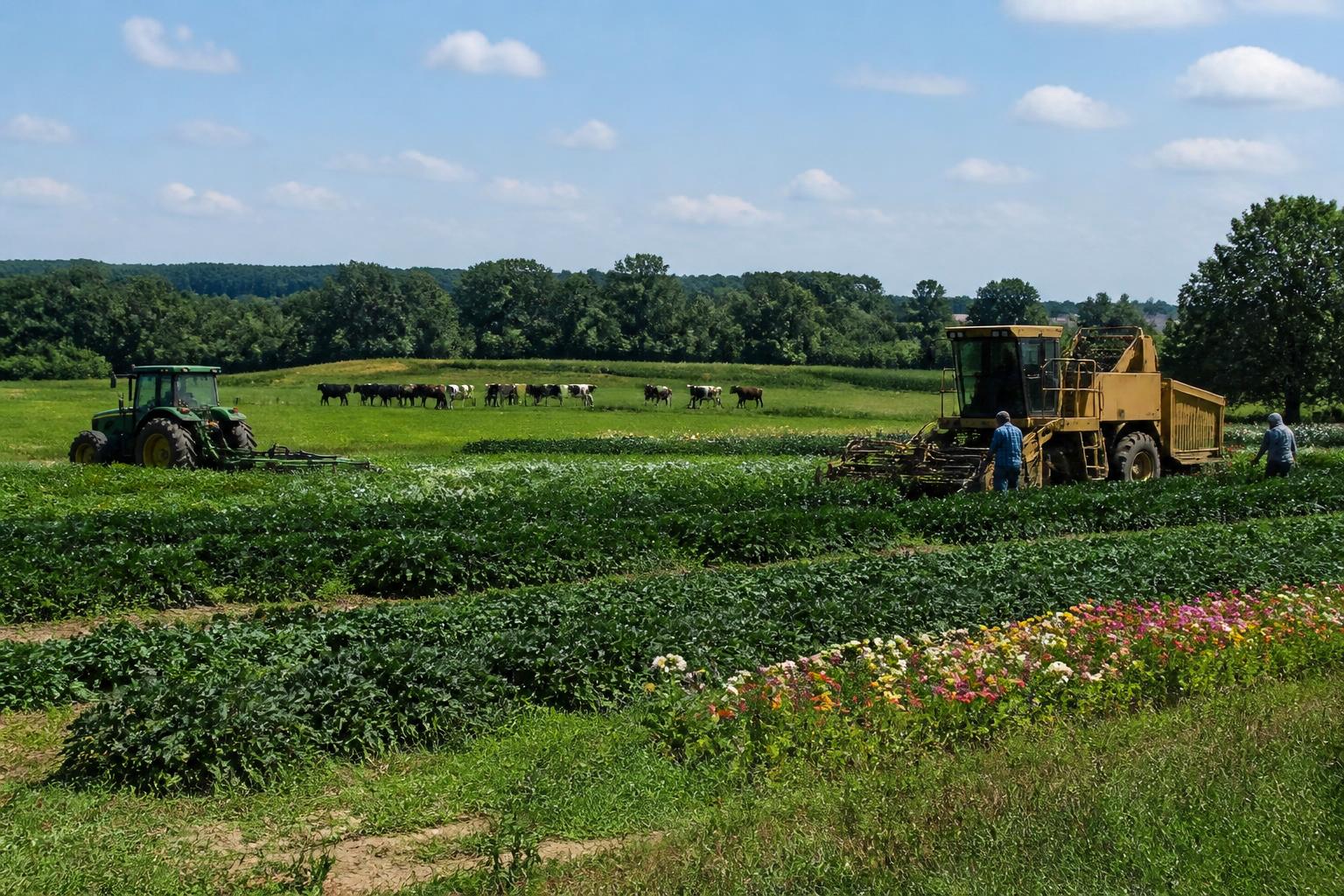
As the summer harvest heats up across the Bluegrass State, grain handlers and producers are navigating a shifting logistical landscape. The efficiency of moving crops from the field to river terminals and domestic processing hubs depends heavily on local infrastructure. Recent actions by the USDA to help Kentucky, Minnesota, and South Dakota farmers rebuild grain storage facilities are providing a timely boost to regional logistics.
Having reliable on-farm and local storage is a critical valve for the entire agricultural supply chain. When storage is compromised, farmers face immediate pressure to haul grain directly from the field to terminal elevators, creating massive bottlenecks on rural roads and slowing down the turnaround times for commercial haulers.
Strengthening Storage Infrastructure to Relieve Freight Bottlenecks
The USDA's initiative to assist Kentucky growers in rebuilding grain storage capacity comes at a pivotal moment. Severe weather events in recent years have damaged essential infrastructure across key agricultural counties, forcing many producers to rely on long-distance hauling during peak harvest seasons. By rebuilding these structures, the industry can better pace its shipping schedules throughout the year.
On-farm storage allows growers to hold grain when river freight rates are high or when local rail systems are congested. Instead of flooding local highways and terminal gates with trucks during the busy summer weeks, farmers can store their crop and market it strategically, minimizing local transportation delays.
Connecting Storage to Shifting Transit Corridors
Kentucky's agricultural transport network relies on a delicate balance of trucking, class-I railroads, and barge traffic along the Ohio and Mississippi rivers. With changes in shipping patterns and corporate consolidations, understanding Kentucky summer grain logistics and rail mergers is increasingly important for local elevators looking to optimize their shipping routes.
Without adequate storage, the pressure on short-haul trucking increases. High-volume corridors can quickly become congested, leading to increased turn times at river ports and rail loading facilities. Rebuilding damaged bins ensures that the flow of grain remains steady, preventing localized supply gluts that depress cash bids at the elevator gate.
Broader Input and Logistics Pressures
Storage and shipping issues are not the only factors squeezing margins this season. Agricultural leaders have also raised alarms regarding broader input costs, with the American Farm Bureau Federation continuing to highlight volatile fertilizer pricing. High fertilizer costs, combined with the transportation expenses of moving these heavy bulk commodities into local retail systems, make supply chain efficiency more critical than ever.
When storage capacity is optimized, it allows for better two-way logistics. Trucks delivering grain to major terminals can backhaul fertilizer and other essential field inputs, reducing deadhead miles and lowering the overall cost of transportation for regional cooperatives and individual operations alike.
Key Takeaways for Kentucky Operators
- USDA Support: Federal assistance targeting grain storage rebuilding will help restore local holding capacity in affected Kentucky communities.
- Traffic Mitigation: Better storage options reduce the need for immediate, high-volume shipping during harvest, easing congestion on rural highways.
- Marketing Flexibility: Keeping grain on-site allows producers to bypass temporary transit spikes and negotiate more favorable shipping rates.
What it means for the market
For the Kentucky agricultural market, the rebuilding of grain storage infrastructure represents a vital step toward long-term logistical resilience. By relieving the immediate pressure on summer shipping networks, these improvements will help stabilize local basis levels and keep grain moving efficiently. Agribusinesses and haulers should monitor local storage progress to better project shipping volumes and truck demand as the late summer and fall harvest seasons approach.
Comments
No comments yet - be the first to share your take.