
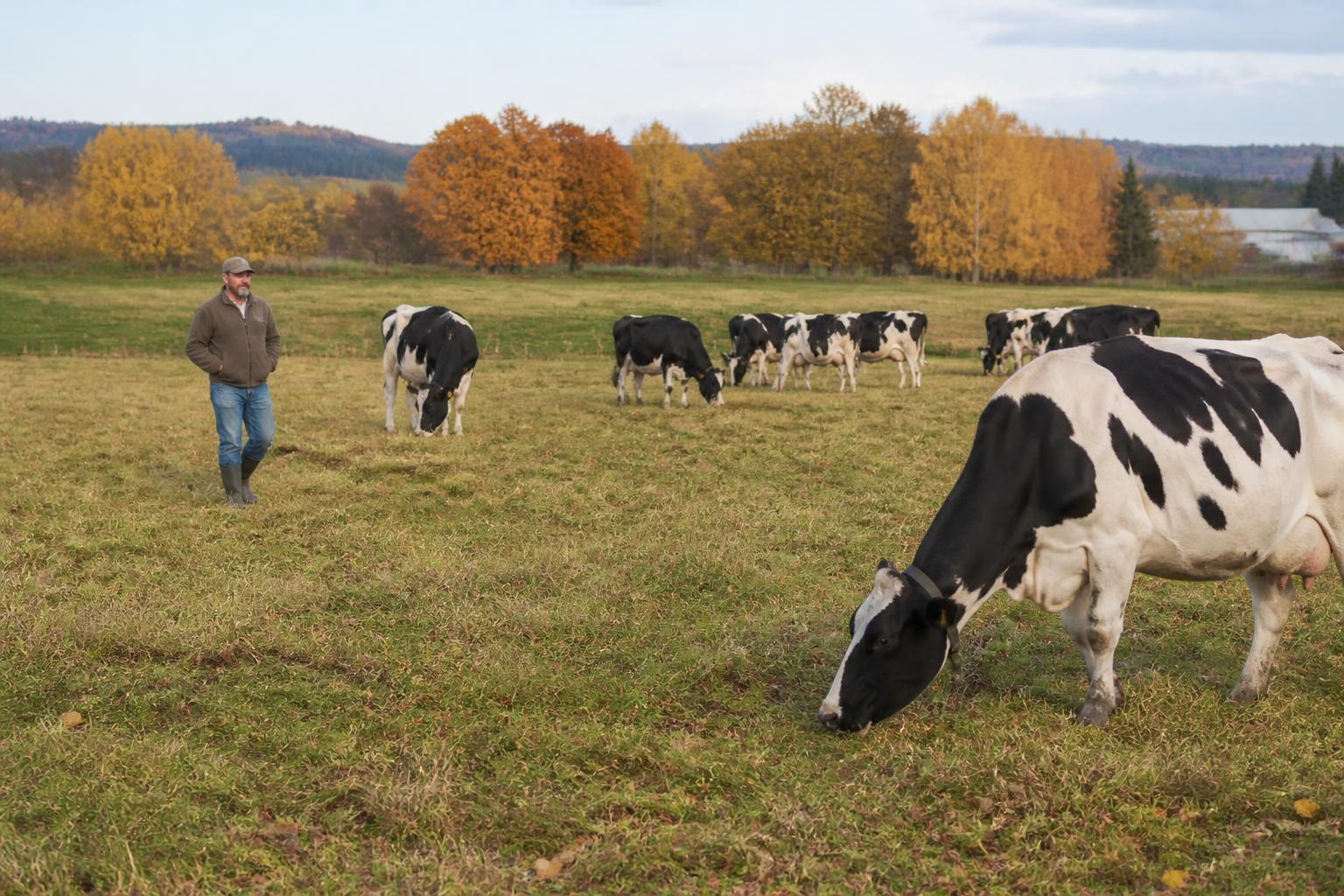
Oregon agricultural producers are facing new operational challenges as the state records its first confirmed case of Highly Pathogenic Avian Influenza (HPAI) within a dairy herd. The detection, confirmed in Morrow County in early November, has prompted an immediate review of herd management practices and facility-level biosecurity across the region.
For dairy operations and associated livestock enterprises, this development emphasizes the critical need for strict access control and monitoring. Producers should consider limiting non-essential traffic, reviewing sanitation protocols for equipment sharing, and maintaining clear communication with herd veterinarians to ensure any signs of respiratory illness or production drops are addressed promptly.
Biosecurity and Herd Health Maintenance
The arrival of HPAI in Oregon underscores the ongoing importance of proactive crop protection and farm health management. In the current fall environment, while many producers are focused on end-of-season logistics, the intersection of animal health and biosecurity cannot be overlooked. Maintaining robust separation between wildlife and livestock areas remains a primary defense strategy for farms throughout the Pacific Northwest.
Broader Market and Regulatory Context
Beyond immediate herd health concerns, Oregon producers are navigating a complex landscape of market pressures. From ongoing international trade uncertainties to evolving federal regulations affecting the hemp sector, the state's agribusiness environment remains highly sensitive to regulatory shifts. Producers may find that staying informed on both labor and input cost trends is essential as they plan for the upcoming production year.
Furthermore, local transportation infrastructure continues to influence the bottom line for rural operations. With potential funding gaps in the state's transportation network, handlers and growers are encouraged to account for potential logistics volatility when planning the movement of supplies and harvested commodities.
What it means for the market
The confirmed presence of HPAI in Oregon dairy cattle is a reminder that regional biosecurity is a dynamic and ongoing process. While producers manage these immediate health concerns, they must also balance the risks of input cost fluctuations and shifting export demand. Prioritizing rigorous health protocols today will likely help mitigate long-term operational risks and preserve market access as the state moves through the final quarter of the year.
Comments
No comments yet - be the first to share your take.