
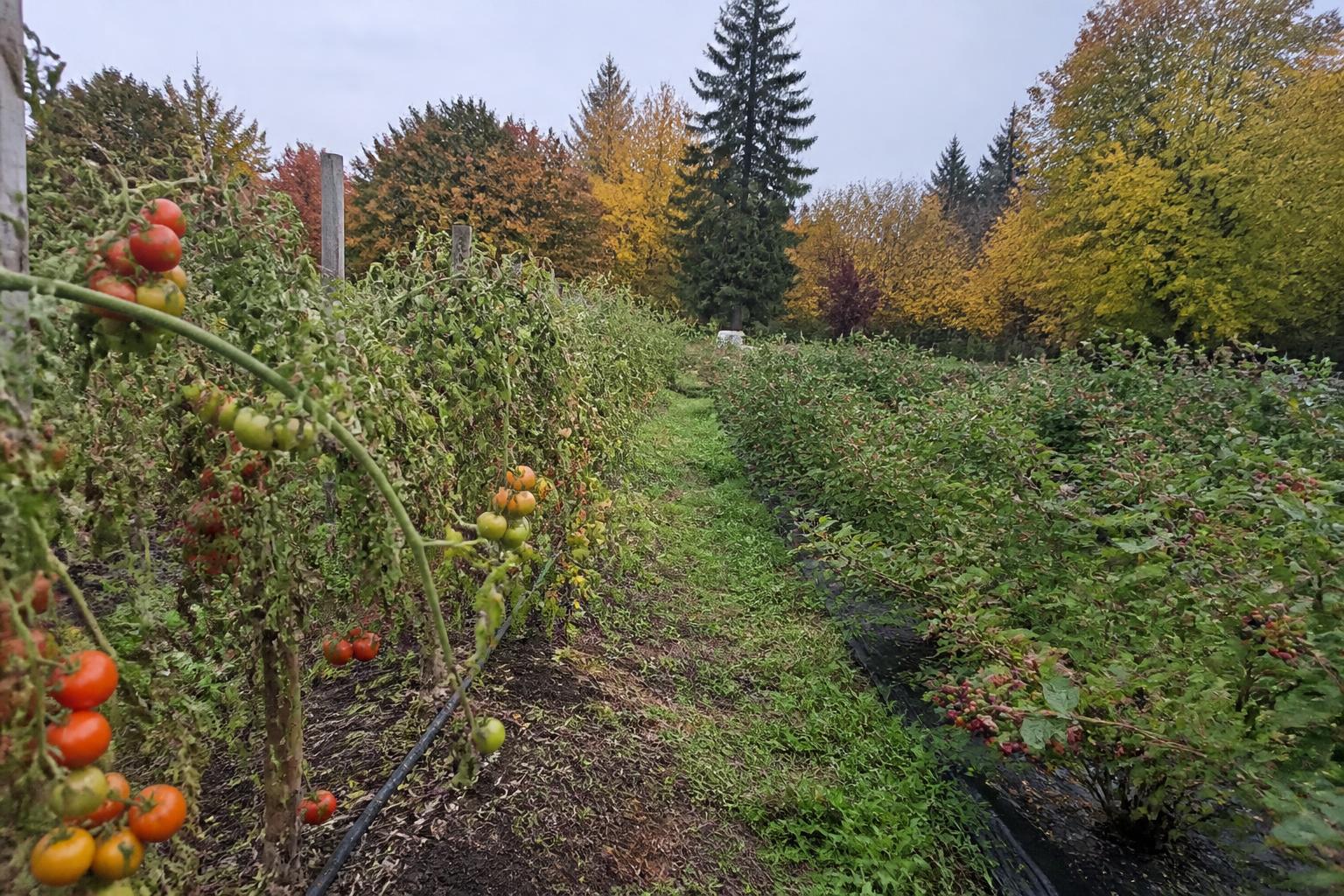
As Oregon growers transition into the later stages of the fall season, the focus is shifting toward long-term resilience and market positioning. Recent industry developments, including strategic acquisitions within the organic sector, suggest a tightening of supply chains that may influence how independent farms source their inputs and manage crop protection in the coming cycles.
For those managing diverse operations, balancing effective soil stewardship and plant health remains paramount. As environmental conditions fluctuate across the Pacific Northwest, maintaining consistent protection protocols is essential to mitigate late-season pressures and ensure that storage-ready crops remain viable for winter markets.
Expanding Horizons in Controlled Environments
Interest in controlled-environment cultivation is rising among Oregon berry producers. This shift represents a broader trend of leveraging technology to minimize the reliance on traditional chemical-heavy crop protection methods. By managing climate and moisture levels more precisely, growers may reduce the incidence of soil-borne pathogens and moisture-related decay that often challenge open-field systems in the region's humid coastal and valley climates.
Market Consolidation and Input Strategy
The organic produce sector is undergoing significant structural changes with major regional players expanding their distribution footprints. For growers, this consolidation highlights the need for a proactive approach to procurement. As supply channels adapt to these mergers, producers should monitor how fertilizer supply shifts and logistics might impact their ability to source specific organic-approved protection agents next spring.
Best Practices for Late-Season Resilience
While larger-scale structural changes capture industry headlines, foundational field practices continue to provide the best return on investment. Regardless of the scale of operation, focusing on soil nutrient balance is one of the most effective strategies for managing input costs and preventing crop stress. Ensuring that late-season applications are aligned with upcoming weather patterns can reduce waste and improve long-term yields.
What it means for the market
Oregon growers should expect a more consolidated input landscape as we head into the new year. By prioritizing long-term soil health and exploring controlled-environment options, producers can better buffer their operations against external market volatility and changing logistics demands.
Comments
No comments yet - be the first to share your take.