
Market Trends Post-USDA Report
Kansas grain markets have recently moved in a sideways pattern, following the latest data releases from the USDA. While some initial volatility was observed, wheat and soybean futures have seen a partial rebound, offering a moment of relative calm for producers across the state. Corn, meanwhile, has experienced a slight softening in price, keeping local grain handlers and elevators focused on near-term storage and marketing strategies.
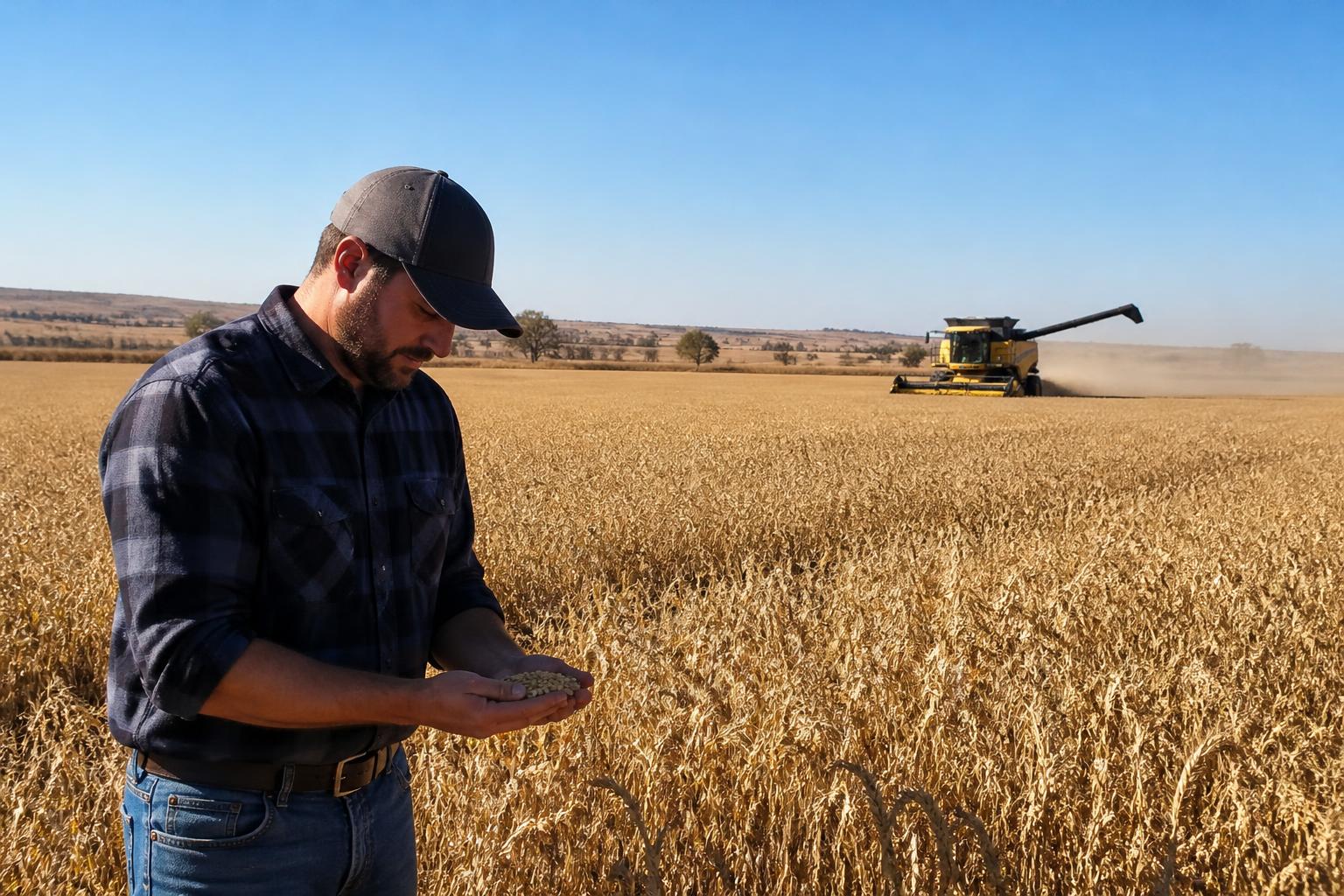
As harvest winds down across the Plains, many farmers are now shifting their attention from field operations to final grain movement. For those still holding inventory, monitoring local basis levels remains essential, especially as logistics costs continue to impact the bottom line for regional operations. You can find more details on how to sell grain in Kansas effectively in the current climate.
Input Considerations and Financial Outlook
Beyond the immediate price fluctuations in the grain pits, the broader financial environment for Kansas agriculture is showing modest signs of easing pressure. As producers finalize their balance sheets for the year, the focus is naturally turning toward the upcoming season. Efficient input management, particularly regarding fertilizer applications and crop protection strategies, is being prioritized to help optimize margins in a tighter margin environment.
Looking Ahead to 2027
While the immediate market focus is on year-end liquidity, there is increasing discussion regarding the potential for a rebound in U.S. wheat production in 2027. For Kansas growers, this involves balancing current market signals with long-term agronomic planning. As winter sets in, the combination of soil moisture levels and early winter wheat development will serve as key indicators for producers planning their acreage and input requirements for the next cycle.
What it means for the market
The current market environment suggests a period of consolidation. Producers who prioritize risk management and maintain awareness of regional basis fluctuations are better positioned to navigate the final months of the year. With financial pressures showing signs of stabilization, the emphasis for Kansas agribusinesses will remain on operational efficiency and securing favorable transport logistics as the industry prepares for the winter lull.
Comments
No comments yet - be the first to share your take.