
For Montana grain producers and elevator managers, the current market landscape is increasingly defined by the ripple effects of global supply chain adjustments. As international wheat markets recalibrate in response to shifting export capacities among major producers, local storage and sales strategies remain vital for capturing value in a fluctuating price environment.
Understanding the interplay between regional logistics and broader market trends allows for more agile decision-making. Whether moving crops through major corridors or managing moisture levels in onsite storage, the current fall season underscores the importance of precision in inventory management. Producers across the Treasure State are often balancing the need for immediate cash flow against the potential for late-season market corrections.
Global Market Dynamics and Local Impact
International developments, such as shifts in import commitments for U.S. wheat and changes in production levels among global competitors, often filter down to the local level in Montana. While national bid prices for staples like soybeans and corn provide a baseline, Montana growers often contend with basis fluctuations driven by rail availability and regional elevator demand.
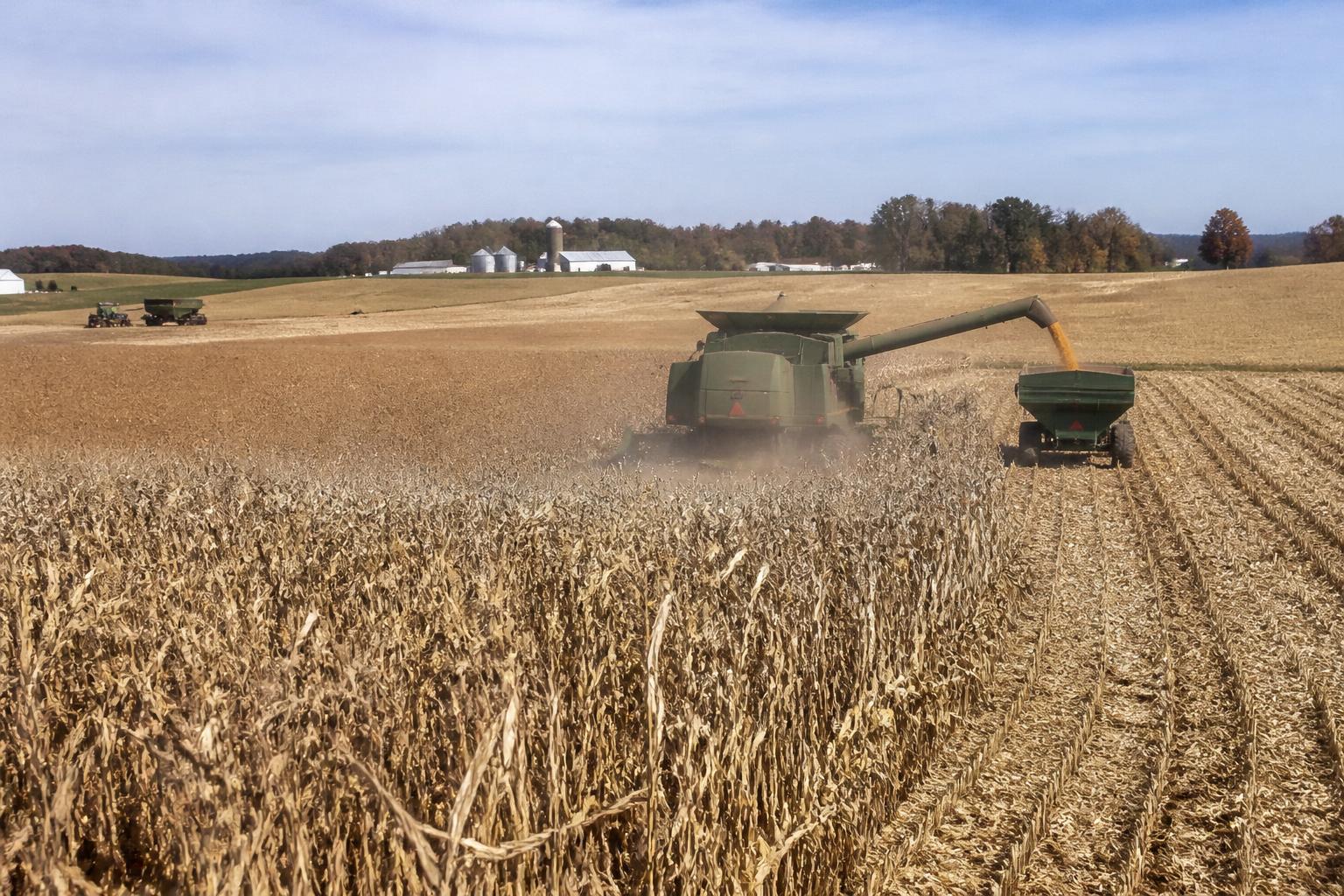
Agribusinesses should continue to monitor how these international export gaps impact domestic elevator capacity. With the harvest season now largely concluded across the high plains, focus shifts toward clearing bins and managing grain quality, which remains a key factor in securing premium prices in competitive export-linked markets.
Optimizing Post-Harvest Logistics
As the winter months approach, transport efficiency remains a top priority. In Montana, the ability to move grain to terminal markets is often dictated by rail scheduling and local road conditions. Efficient moisture management and accurate inventory tracking are essential tools for farmers looking to mitigate storage risks during periods of slow market movement. Utilizing high-precision monitoring technology can help reduce potential losses and ensure that stored grain meets the quality benchmarks required by both domestic and international buyers.
What it means for the market
The current volatility serves as a reminder for Montana agribusinesses to maintain flexible marketing plans. By focusing on moisture control, understanding local basis, and keeping a close watch on international trade signals, producers can better position themselves to navigate the complexities of this season's grain cycle and manage the risks inherent in today's globalized agricultural economy.
Comments
No comments yet - be the first to share your take.