
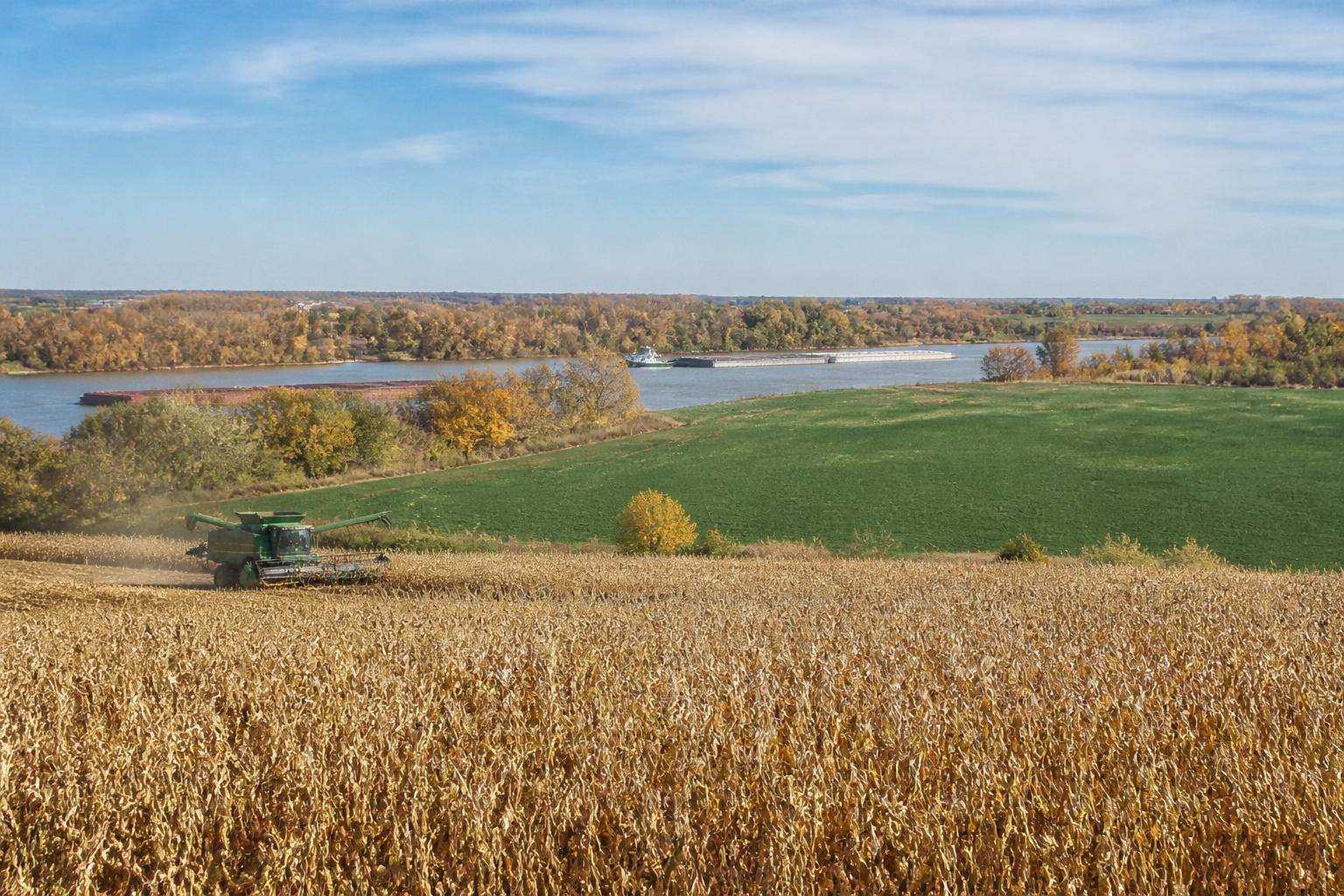
Nebraska farmers are entering the final stages of the fall harvest season as field conditions begin to tighten. While most producers have made significant progress, recent hard freezes and variable soil moisture in regions across the state have served as a reminder of the narrow window available for completing field work before winter dormancy.
For those still finishing up, fuel consumption remains a notable factor in operational costs, particularly where muddy conditions persist. Moving grain from fields to elevators requires careful planning as regional grain handlers manage throughput and storage capacity in these late-season weeks. Producers looking for the best price discovery in the current market can utilize resources like grain buyers and market data for Nebraska to stay informed on local basis trends.
Managing Late-Season Delivery and Basis
As the bulk of the corn and soybean crop clears the fields, the focus for many agribusinesses is shifting toward effective storage and forward-looking delivery strategies. The divergence in basis for corn and soybeans, observed in broader market reporting, underscores the importance of local logistics. With delivery maps and pricing tools becoming more accessible, producers have greater opportunities to compare bids across diverse delivery points.
Operational Readiness for Winter
The transition toward the colder months often brings increased urgency to secure equipment and finalize moisture testing. As field activity winds down, agricultural leaders emphasize the importance of monitoring data accuracy, as actual field yields in some counties may continue to show variation compared to earlier projections. Reliable field data remains a critical asset for planning next year's inputs and financial requirements.
What it means for the market
The narrowing harvest window in Nebraska suggests that market volatility related to supply chain constraints may soon transition into a focus on seasonal demand and storage management. Producers should anticipate that local basis will remain sensitive to logistical bottlenecks until the final loads are secured and regional storage reaches its peak utilization for the season.
Comments
No comments yet - be the first to share your take.