
Market Overview: Balancing Yields and Future Prices
As the fall harvest concludes in many parts of the United States, growers are assessing a complex market environment. While some producers report above-average yields, particularly in regions like the Midwest, the broader grain complex is experiencing mixed signals. Recent futures data indicates that wheat and soybean prices have seen periodic rebounds, even as corn futures face pressure from profit-taking and shifting export expectations.
For many agribusinesses, current market strategies are moving beyond traditional percent-sold targets. Integrating revenue-based management allows producers to better analyze price risk and hedging opportunities in real-time. This shift is critical as the strength of the U.S. dollar continues to influence export competitiveness, often creating headwinds for grains that rely heavily on international demand.
Logistics and Infrastructure Constraints
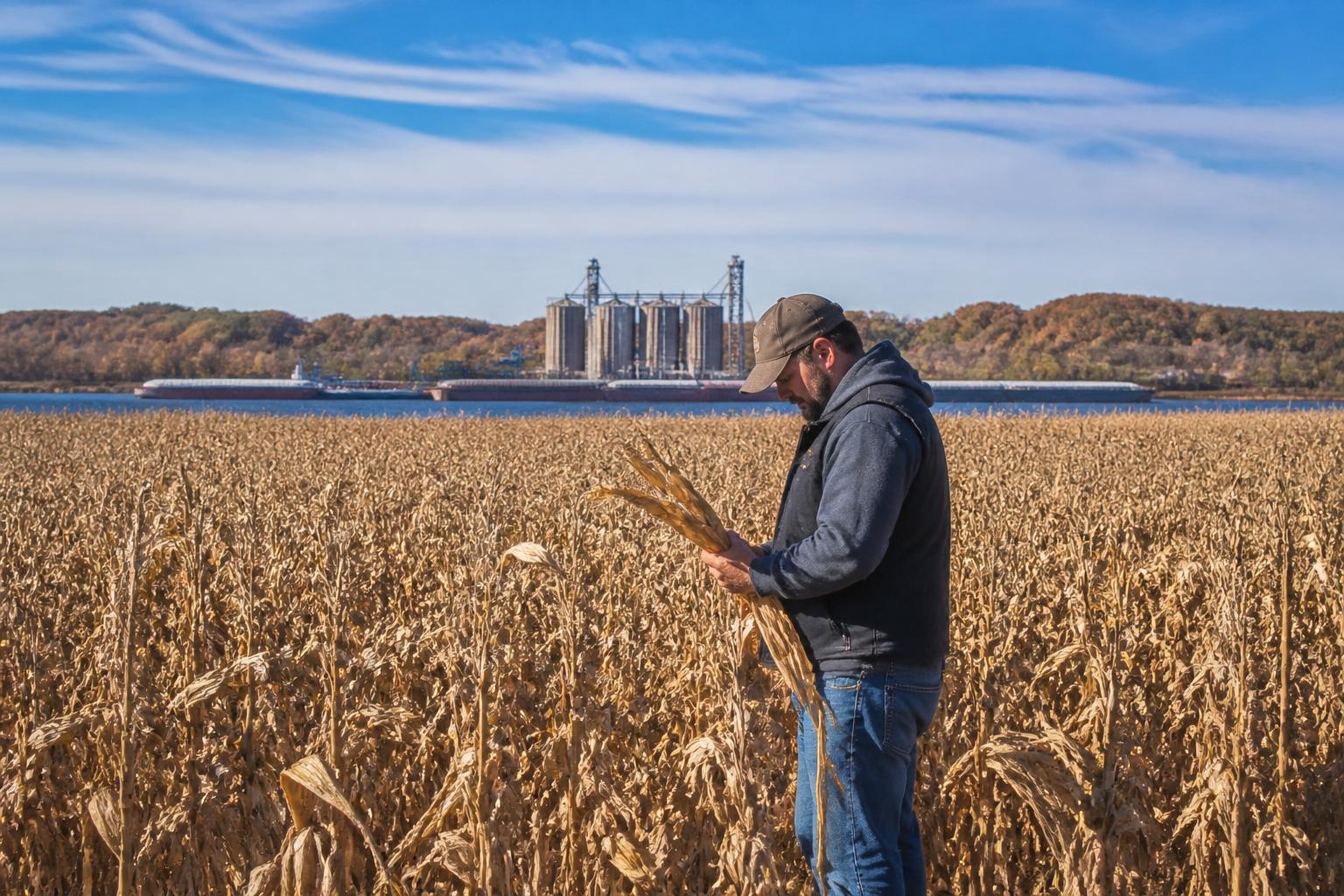
Beyond price discovery, local logistics remain a primary concern for the grain handling sector. Infrastructure bottlenecks, particularly along vital inland waterways, continue to command industry attention. Reports suggest that potential issues on the Mississippi River could put pressure on grain basis levels, complicating the movement of commodities from the interior to export hubs.
Elevators and grain handlers are also looking at long-term capital investments to improve throughput. Modernization projects, such as upgrades to aging barge-loading facilities, are becoming essential to ensure that regional grain can reach competitive markets efficiently. These improvements are often necessary to combat the logistical strain caused by a tightening barge fleet and seasonal transit delays.
Legislative Outlook and Farm Policy
Washington remains a central focus for the agricultural sector as lawmakers work through end-of-year priorities. Key discussions regarding the farm bill and potential policies for year-round E15 fuel are underway, with producers watching closely for any legislative outcomes that might offer long-term market stability. These policy developments, while often slow-moving, remain critical for setting the baseline for the next production cycle.
What it means for the market
Producers and elevators should prioritize agility as the season winds down. With logistics providing ongoing challenges and price volatility persisting, focusing on cost-effective storage, efficient drying alternatives like propane, and revenue-hedging strategies can help mitigate some of the uncertainty inherent in this late-fall market.
Comments
No comments yet - be the first to share your take.