
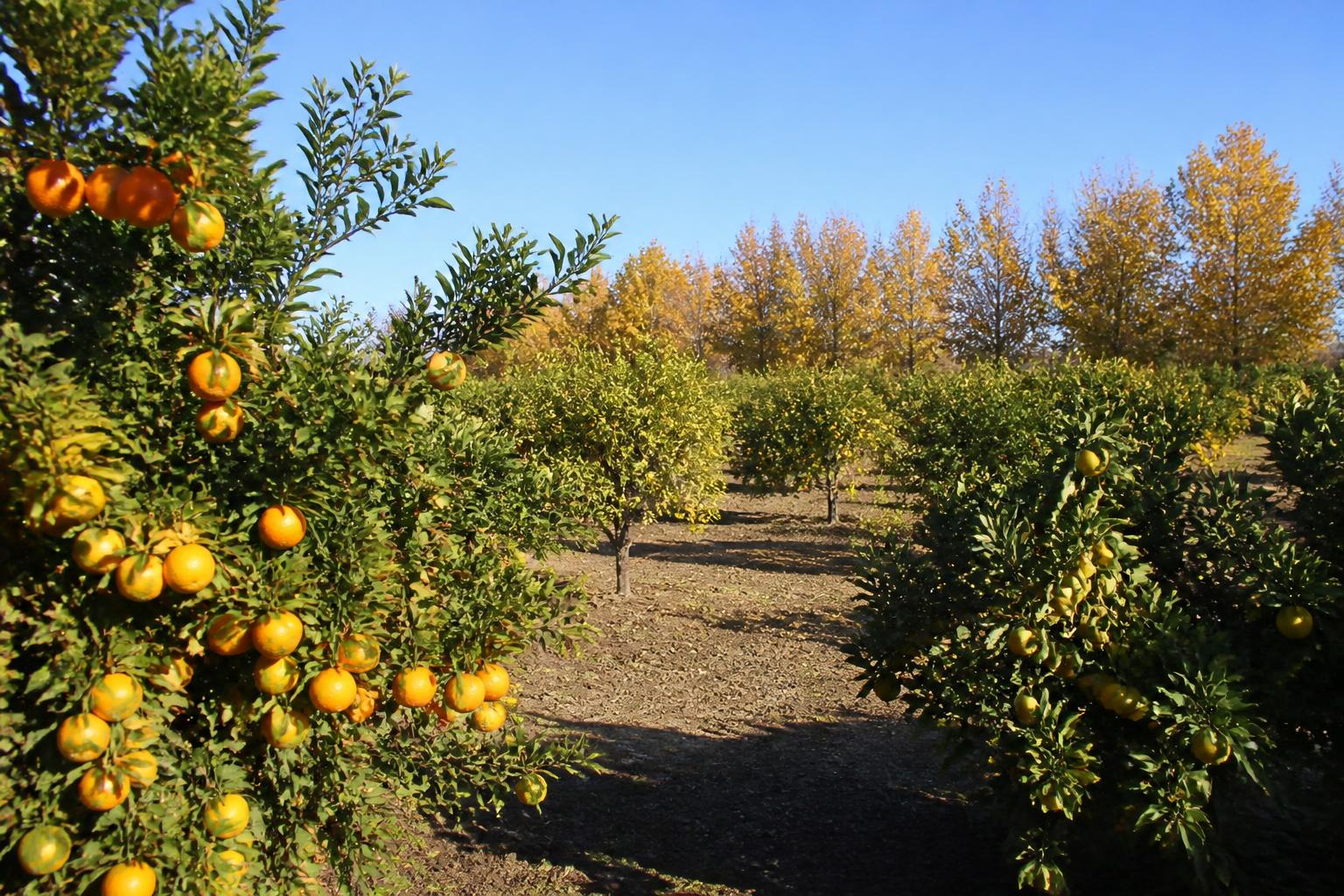
As the fall harvest season continues across California, growers are balancing traditional operational challenges with an increasingly complex regulatory environment. From the Central Valley to coastal orchard regions, producers are focusing on harvest efficiency and input management while adapting to shifting constraints on water use and chemical applications.
The current climate for specialty crops remains dynamic. For instance, recent developments in tree nut production highlight the dual pressures of market demand and legislative oversight. As noted in broader industry updates, new pesticide rules are prompting growers to reassess export strategies and production protocols. This adaptation is essential as the sector works to maintain its competitive edge in both domestic and international markets.
Land Stewardship and Resource Management
Investment in long-term farm viability has taken center stage, with significant activity in land conservation. The utilization of conservation easements is providing producers with a pathway to secure agricultural land against encroaching development pressures. These tools are increasingly vital for maintaining operational stability in key agricultural counties, allowing farmers to focus on soil health and sustainable yield improvements amidst persistent regulatory challenges.
Input Efficiency and Market Outlook
Managing overhead remains a priority as the state enters the final stretch of the year. Fertilizer and soil amendment strategies are under constant review, with new research initiatives aimed at improving efficiency and reducing environmental impacts. Growers looking to optimize their fertilizer spending are increasingly relying on data-driven management practices to mitigate price volatility and ensure that crop performance remains consistent across diverse regional conditions.
What it means for the market
For California agribusinesses, the current environment necessitates a proactive approach to compliance and resource stewardship. As regulatory requirements tighten and operational costs remain sensitive to external variables, the ability to pivot production strategies—whether through adopting new input technologies or securing long-term land access—will be the primary differentiator for farm profitability heading into the next planning cycle.
Comments
No comments yet - be the first to share your take.