
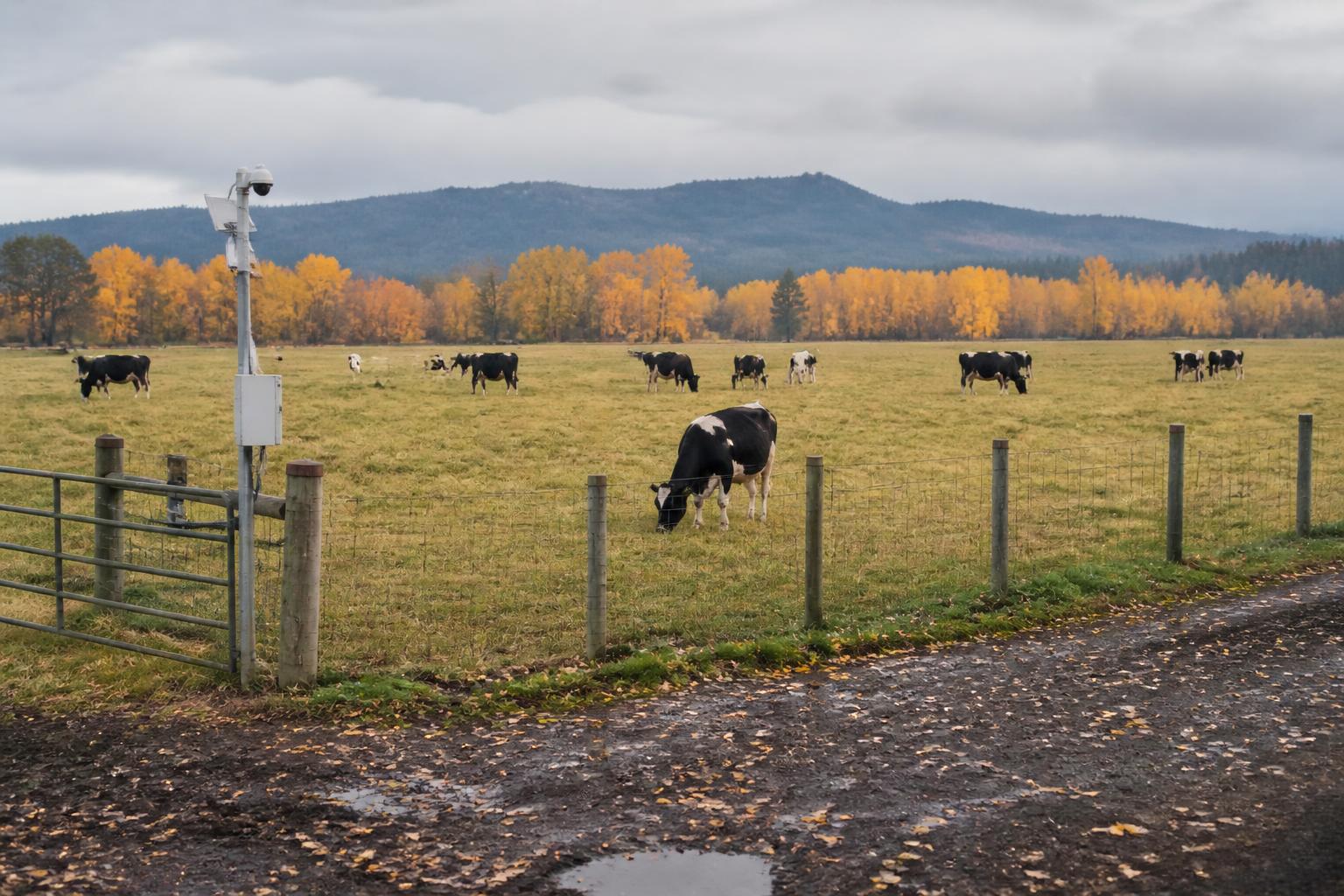
Oregon producers are navigating a period of heightened biological risk as the state faces simultaneous challenges from animal disease and invasive plant species. With the first confirmation of Highly Pathogenic Avian Influenza (HPAI) in Oregon dairy cattle, the agricultural community is under pressure to reinforce strict biosecurity protocols across livestock operations. This development, which marks Oregon as the 22nd state to record such an incident, underscores the importance of monitoring animal movement and health records during the cooling fall months.
Managing Environmental and Animal Health Threats
Beyond the dairy sector, the identification of the invasive aquatic weed Hydrilla verticillata has added a new layer of concern for irrigation-dependent farms. Because this weed can aggressively clog waterways and interfere with essential farm infrastructure, stakeholders should be vigilant about inspecting irrigation equipment and water sources. These environmental stressors, alongside ongoing discussions about labor protections and policy, continue to shape the management landscape for producers across the state.
Strategic Planning in a Shifting Landscape
In addition to these biological threats, Oregon producers are also balancing broader production cycle shifts as the season winds down. The integration of new data collection processes and evolving labor standards remains a key focus for agricultural businesses working to maintain operational efficiency in an increasingly regulated environment. Maintaining clear, internal records and staying updated on regional advisories is becoming more vital as unexpected agricultural hazards arise.
What it means for the market
For grain handlers, livestock operators, and ag-service providers, the current climate demands proactive risk management. Reduced movement of livestock and extra scrutiny on water usage are likely to impact local logistics and operational costs. By prioritizing biosecurity and water security now, businesses can help mitigate the risk of wider quarantine measures or infrastructure disruption that could otherwise strain the supply chain during the transition into winter.
Comments
No comments yet - be the first to share your take.