
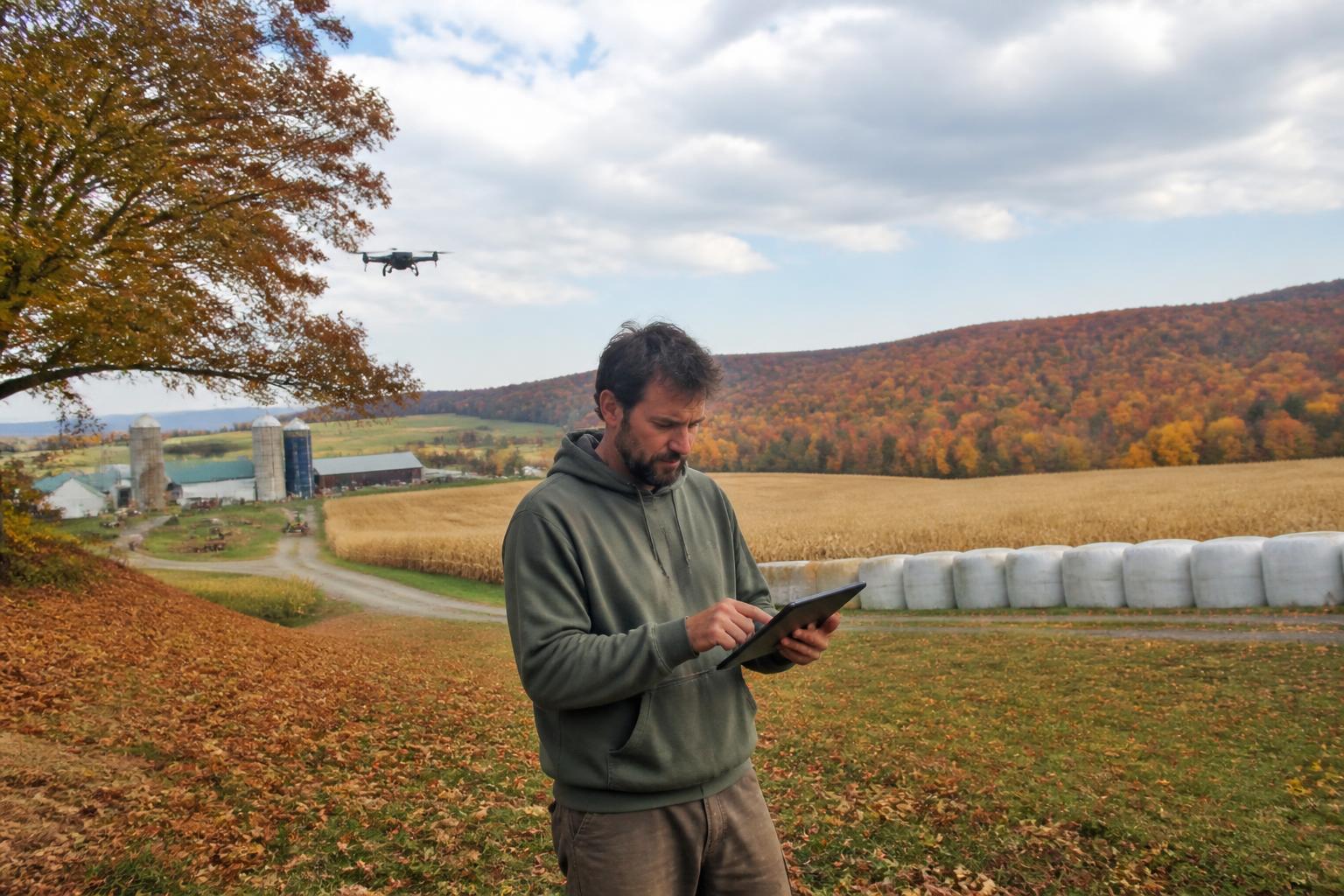
The Shift Toward Precision Agriculture
As Vermont farmers close out the harvest season, the integration of new technologies into legacy systems has become a central theme for producers. Recent developments, such as partnerships between local leaders and artificial intelligence startups, underscore the sector-wide push to refine resource allocation. By leveraging data-driven insights, producers aim to improve the precision of their operations, which is essential for those managing high-value dairy and artisanal production lines.
Optimizing Input Management
For operations focused on feed quality and land management, the role of soil health and nutrient precision remains critical. As the industry evolves, staying informed on Vermont fertilizer restrictions is a foundational step for any producer planning their input strategy. Advanced monitoring tools may offer a way to track the efficacy of these applications throughout the changing landscape of the Northeast, helping farmers balance yield goals with increasingly rigorous environmental standards.
Navigating Economic Pressures
The agricultural climate in Vermont continues to require strategic foresight. Beyond immediate technological adoption, farmers are consistently balancing operational costs against the realities of the market. Understanding the broader fertilizer outlook is a prerequisite for stabilizing budgets heading into the new year. When combined with insights on late-season structural shifts, these tools allow for a more resilient approach to farm management.
What it means for the market
The movement toward AI-integrated farming represents a potential turning point for Vermont agribusiness. While these tools are still in the early stages of adoption, they signal a broader trend toward data-backed efficiency. For grain handlers, input buyers, and service providers, this suggests a future where demand for precision-grade fertilizers and specialized technology services may continue to grow as farms aim to maximize output while minimizing environmental impact during the transition to winter.
Comments
No comments yet - be the first to share your take.