
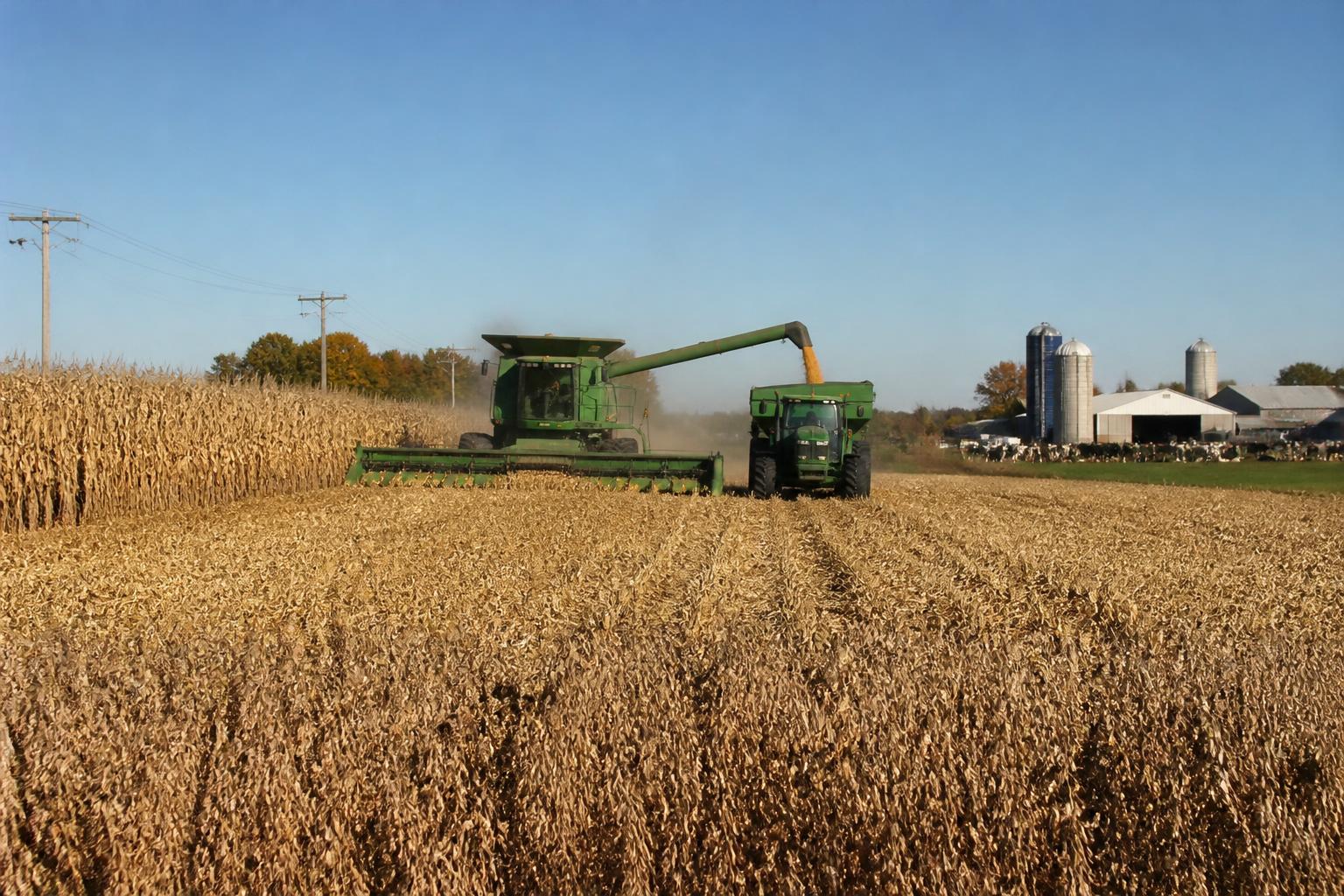
Michigan agricultural producers are facing a complex landscape as they close out the fall season. Recent reports indicate that rising diesel prices are exerting significant pressure on operational budgets across the state. This increase in input costs is prompting many farmers and logistics providers to reassess their fuel management strategies as they prepare for the logistical demands of the late-year harvest window and storage movement.
To help mitigate some of these energy-related challenges, state officials have moved to declare an energy emergency, facilitating the expanded availability of E15 fuel. For growers and transporters moving grain through regional corridors, this shift may offer a necessary reprieve in fuel procurement options. Proactive monitoring of supply costs remains a priority for those looking to protect their bottom line against broader logistics and operational shifts occurring this month.
Biosecurity and Risk Management
Beyond fuel prices, producers are maintaining heightened vigilance regarding animal health. With reports of HPAI outbreaks impacting poultry and dairy operations, farm-level biosecurity protocols are more critical than ever. Maintaining these safeguards is essential to preventing business disruption, particularly as the state continues to see increased production activity in the dairy sector.
Farmers are encouraged to stay informed on local regulatory updates and voluntary stewardship programs that aim to safeguard both environmental and operational health. Engaging with state commission initiatives can be a valuable way to stay ahead of emerging threats and market dynamics that could impact long-term profitability.
Harvest and Market Outlook
While costs are rising, some producers are finding support in market prices. Recent data suggests that for the first time in several years, harvest prices have managed to exceed spring guarantees. This development provides a measure of relief for those balancing high input expenses against seasonal yield results. As logistics networks manage the flow of grain to elevators and export points, tracking these trends remains vital for making informed decisions regarding storage and sales.
For those managing input-intensive operations, such as specialty crop producers, the focus is shifting toward planning for the 2027 season. Understanding how current policies and potential policy shifts and operational costs will affect future seasons is a key part of the current planning cycle.
What it means for the market
For the Michigan agricultural sector, the path forward requires a dual focus on rigorous cost management and health security. Producers who lean into efficient resource utilization and stay updated on the latest state-level support measures will be better positioned to navigate the volatility of the current market environment.
Comments
No comments yet - be the first to share your take.