
Market Resilience in Michigan Exporting
As the fall season draws to a close, Michigan agribusinesses are navigating a period of reflection and strategic planning. The success of local grain exporters, such as Freeland Bean and Grain, continues to underscore the importance of operational longevity and family-driven values in the state's competitive agricultural landscape. These entities often serve as a vital link between Michigan producers and international markets, helping to stabilize regional commodity flows even as seasonal pressures persist.
For producers and handlers, maintaining consistent logistics and operational shifts heading into November remains a priority. As transport corridors across the state see peak volumes, successful businesses typically leverage long-standing relationships with regional elevators and logistics partners to move grain efficiently, ensuring that inventory does not stagnate during the colder, darker months of the year.
Innovations in Soil Nutrition and Sustainability
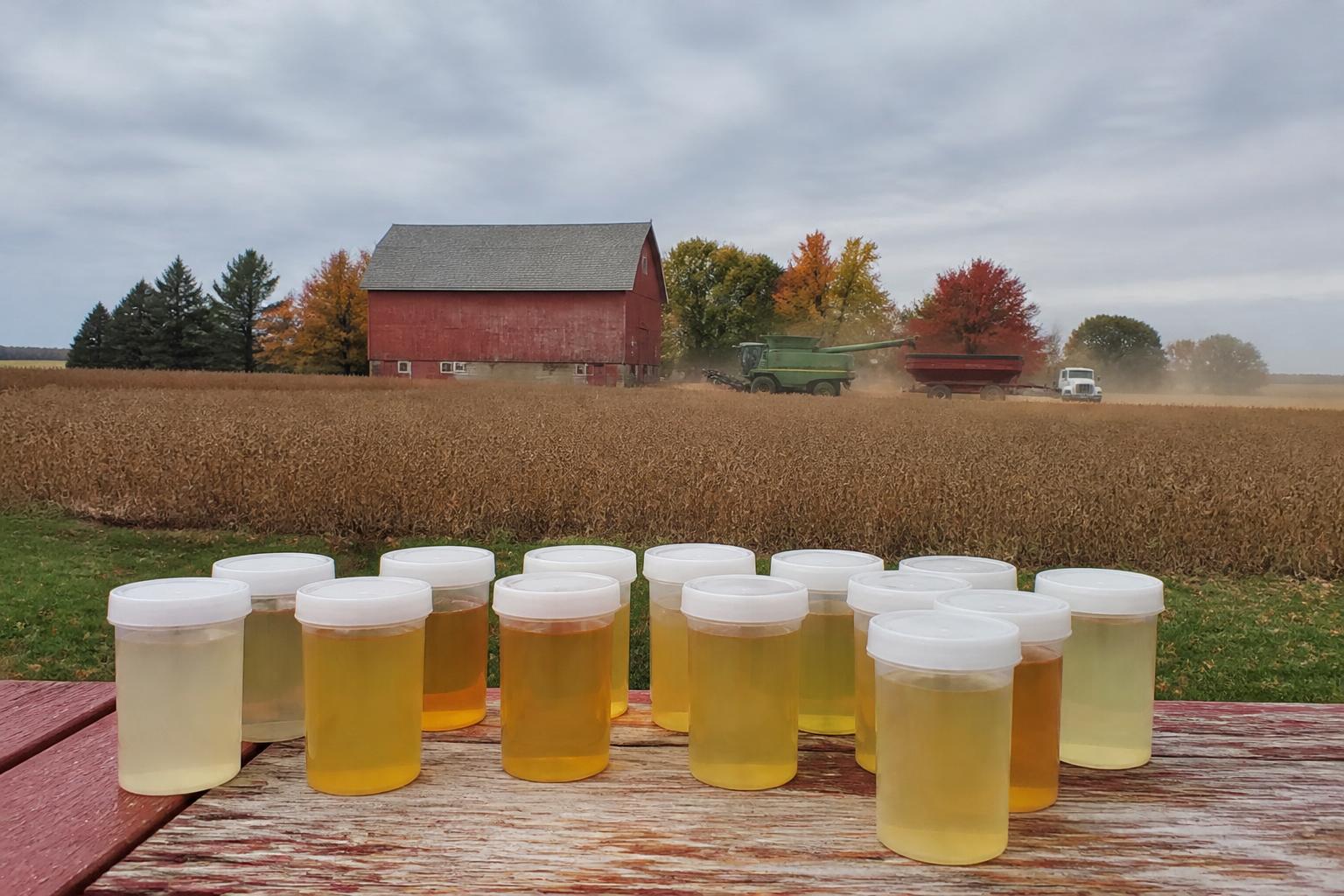
Beyond export logistics, Michigan is becoming a hub for innovative approaches to farm inputs. Scientific research at institutions like the University of Michigan and Michigan State University is currently looking into sustainable fertilizer alternatives. By investigating nutrient recovery—such as testing urine-based fertilizers—researchers are exploring how to reduce reliance on conventional, energy-intensive synthetic fertilizers.
While this research is in the early stages, it aligns with broader trends in agricultural regulatory updates regarding fertilizer storage and field nutrient management. For the average grain farmer, such advancements may eventually offer pathways to lower overhead costs and improved soil health metrics, providing a hedge against the price volatility often seen in the global nitrogen market.
What it means for the market
Farmers and agribusinesses should look toward a mix of cautious optimism and strategic efficiency. While export demand remains a cornerstone for local stability, the intersection of new research and traditional farming practices suggests that the industry is looking ahead to long-term sustainability. Staying informed on how cooling temperatures impact field dry-down and logistics will be essential for those looking to maximize their late-season market opportunities in the coming weeks.
Comments
No comments yet - be the first to share your take.