
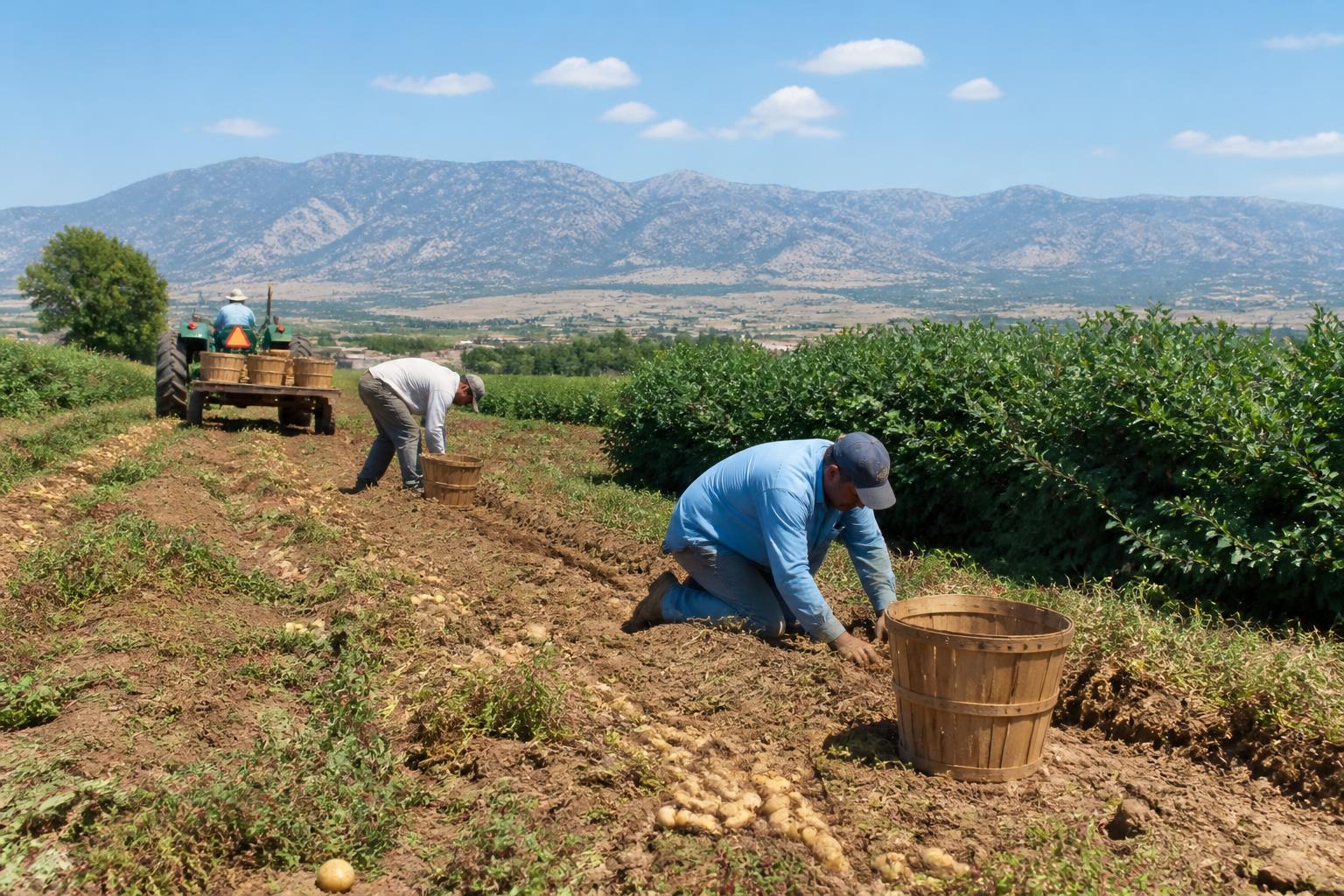
As summer heat settles over the Southwest in June 2026, New Mexico's agricultural transport sector is adapting to shifting trade dynamics, infrastructure updates, and heightened biosecurity protocols. With the state's food and farming sector having posted a notable 12% economic growth in recent reports, the demands on local roads, railways, and border crossings are reaching new peaks. For regional shippers and carriers, keeping freight moving smoothly requires balancing local transit priorities with broader international trade developments.
Expanding Rail and Freight Connectivity
Diversifying transport options is a primary focus for communities looking to stabilize local supply chains. In northern New Mexico, particularly within San Juan County, local leaders and economic planners continue to prioritize rail development to expand freight capacity and diversify the regional economy. Establishing robust rail access can relieve pressure on regional highway corridors, offering bulk shippers a dependable alternative for moving inputs and commodities.
In a state where long-distance hauling is often necessary to connect rural production hubs to major national lanes, securing multi-modal infrastructure remains vital for long-term supply chain resilience. Moving heavy freight by rail could eventually reduce maintenance strains on state highways and lower transportation costs for regional agribusinesses.
Biosecurity and Cross-Border Trade Pressures
Moving agricultural goods through New Mexico's southern ports of entry has become increasingly complex. Recent detections of the New World Screwworm in Mexico have prompted state officials and livestock operators to increase vigilance, with hunters and transporters asked to monitor livestock and wildlife closely. This biosecurity alert, combined with Mexico's efforts to step up health and food safety controls, has led to slower processing times at border inspection facilities.
Trucking companies and logistics providers must prepare for more rigorous inspections, as these heightened biosecurity standards shape agribusiness operations across the border region. Delays at international crossings can quickly disrupt tight delivery schedules, particularly for temperature-sensitive cargoes like fresh produce and livestock.
Navigating Policy and USMCA Review Timelines
The logistical friction at the border comes at a time when shippers are already navigating broader trade uncertainties. With the upcoming 2026 USMCA review on the horizon, agricultural exporters and importers are closely watching tariff and security policies. Freight operators hauling across the border must stay agile, adjusting schedules to accommodate potential delays and regulatory changes.
For those moving livestock or fresh produce through New Mexico, understanding these shifts is vital for maintaining fluid operations during peak summer shipping windows. Proactive coordination with customs brokers and border patrol officials is essential to minimize unexpected holdups.
Key Takeaways for New Mexico Ag Shippers
- Monitor Border Wait Times: Expect longer delays at southern ports due to biosecurity inspections for pests like the New World Screwworm.
- Track Multi-Modal Progress: Keep an eye on regional freight initiatives, such as the rail priorities in San Juan County, which could offer alternative shipping lanes in the future.
- Prepare for USMCA Adjustments: Review supply contracts and logistics planning ahead of potential policy shifts stemming from the 2026 USMCA review.
What it means for the market
For New Mexico's agricultural industry, the summer of 2026 is a period of transition. While the state's agrifood sector continues to demonstrate strong economic momentum, logistics providers must actively manage the dual challenges of infrastructure constraints and strict border biosecurity. Trucking companies, rail operators, and agribusinesses that build flexibility into their supply chains will be best positioned to handle seasonal demand fluctuations and regulatory changes without costly disruptions.
Comments
No comments yet - be the first to share your take.