
The Impact of Fleet Aging on Logistics
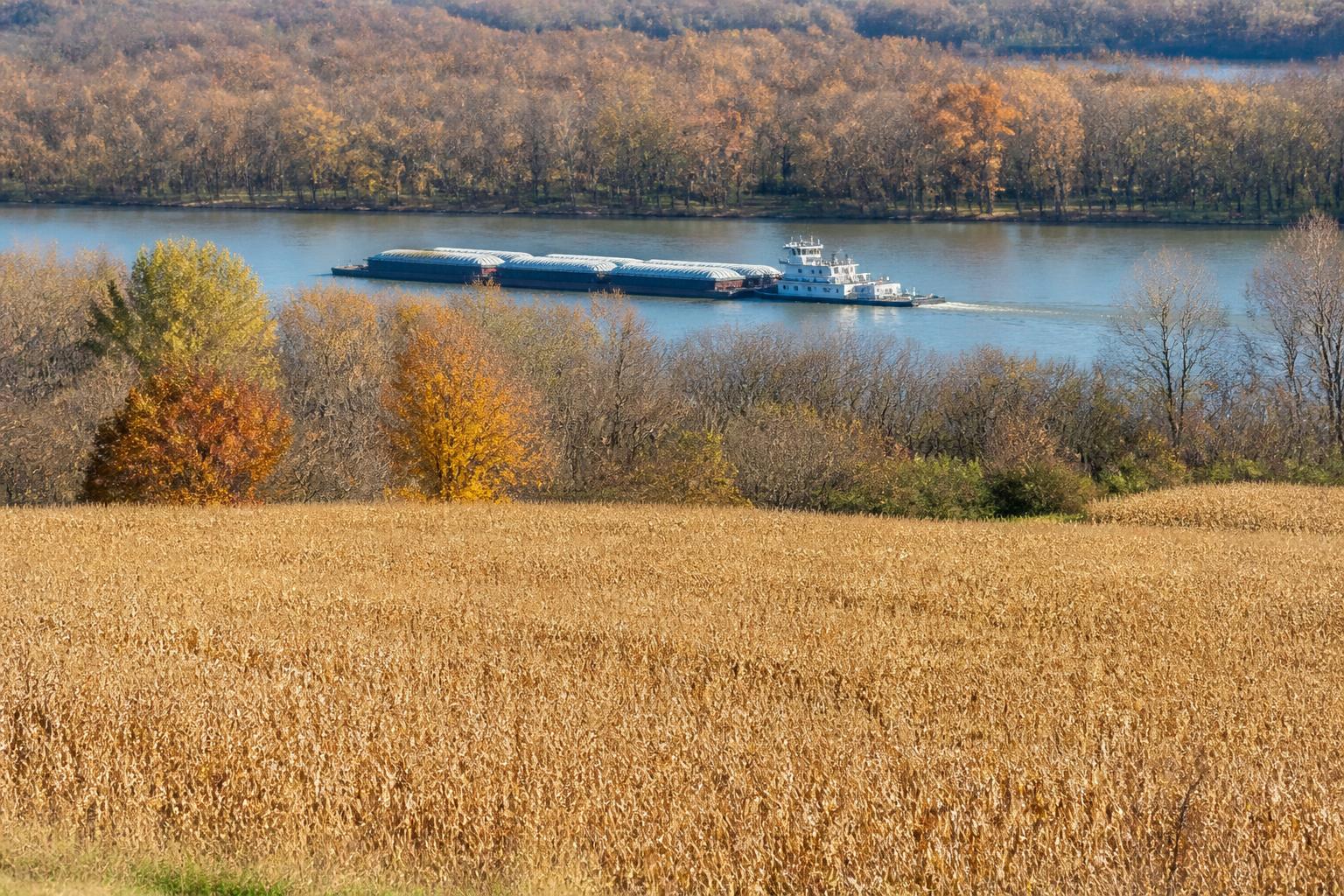
For Mississippi producers, the efficiency of grain movement is inherently linked to the health of the inland waterway system. Recent market observations indicate that the aging U.S. barge fleet is becoming a significant factor in regional transit costs. As older vessels reach the end of their service lives, the reduction in available capacity can tighten competition for freight space during peak harvest windows, potentially inflating shipping rates for growers looking to move product downriver.
Understanding how these barge fleet constraints impact Mississippi grain transit is essential for farm managers planning their post-harvest sales. Even as the primary harvest concludes in the Delta, the secondary movement of stored grain remains vulnerable to these logistics headwinds.
Navigating Seasonal Transit Challenges
Mississippi agribusinesses often face a complex landscape in late fall. Beyond vessel availability, the reliability of river transit is frequently tested by fluctuating water levels and the physical condition of locks and dams along the corridor. Farmers and elevators are encouraged to maintain close communication with logistics providers to mitigate the risks associated with potential delays.
The structural integrity of the barge fleet is a long-term issue that necessitates proactive planning. By monitoring transit trends early in the season, regional operators can often better anticipate when to secure freight capacity, rather than relying on spot market rates that may spike when equipment availability is low.
Key Takeaways
- Monitor barge capacity trends, as aging fleets can lead to tighter shipping margins.
- Prioritize logistics planning for stored grain to avoid volatility in downstream transport costs.
- Keep updated on regional river conditions that may restrict vessel movement in the coming weeks.
What it means for the market
The current state of the inland waterway system suggests that Mississippi grain handlers may need to account for higher, or more volatile, freight costs in their enterprise budgets. While the agricultural sector remains resilient, the physical limitations of the aging maritime infrastructure serve as a reminder of the importance of integrated supply chain planning in maintaining farm profitability during the late fall and early winter months.
Comments
No comments yet - be the first to share your take.