
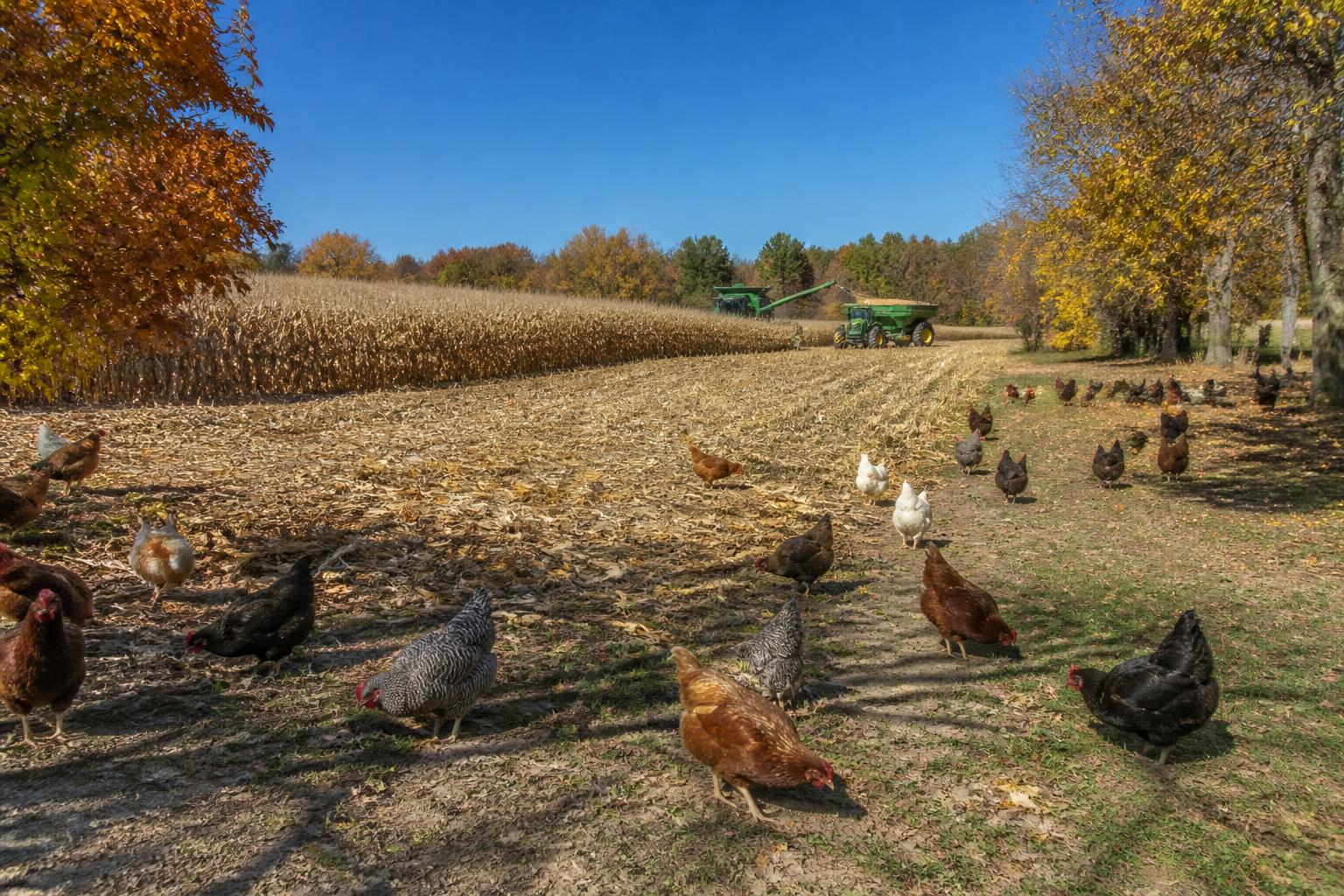
As Maryland farmers finalize their late-season field operations across the Eastern Shore and central counties, the market landscape is shifting in response to updated national projections. With the current fall harvest season moving into its final stages, attention is turning toward storage management and the impact of recent USDA adjustments to corn yield estimates. These unexpected shifts in national output are creating price volatility that is being felt locally by grain elevators and agribusinesses managing regional supply chains.
Managing Market Volatility and Safety
For many producers, navigating the current pricing environment requires balancing marketing strategies with an ongoing commitment to farm safety. As established in Maryland Grain Logistics: Managing Post-Harvest Operations and Safety, keeping efficiency high during the final push for harvest is critical to protecting margins. Operators should remember that maintenance of handling equipment is a year-round enterprise that serves to safeguard the bottom line, especially when storage capacity becomes a focal point of seasonal planning.
Addressing Biosecurity and Regional Risks
While the focus remains on commodity movement, regional biosecurity is once again a priority following reports of avian flu detections in Worcester County. Producers managing integrated livestock and grain operations must remain disciplined with site access and sanitation protocols to mitigate risk. Understanding these regulatory and health-related pressures is essential, as noted in previous reporting on Biosecurity and Land Preservation: Key Updates for Maryland Producers. Maintaining high standards in these areas helps ensure market access and prevents localized disruption.
Planning for Next Season
As the window for field work closes, producers are evaluating their land use and soil health strategies for the coming year. Whether you are reviewing lease agreements or preparing for winter cover crop compliance, aligning logistics with Maryland Harvest Logistics: Navigating Late-Season Field Operations and Cover Crop Deadlines can provide a roadmap for avoiding common bottlenecks. Efficient post-harvest land management remains the foundation for a productive upcoming cycle.
What it means for the market
The agricultural sector in Maryland faces a dual challenge: adjusting to broader, national-level grain price volatility while managing localized biosecurity threats. For growers and elevator managers, staying updated on regional yield performance and maintaining rigorous site safety standards will be the primary drivers of stability through the end of the year.
Comments
No comments yet - be the first to share your take.