
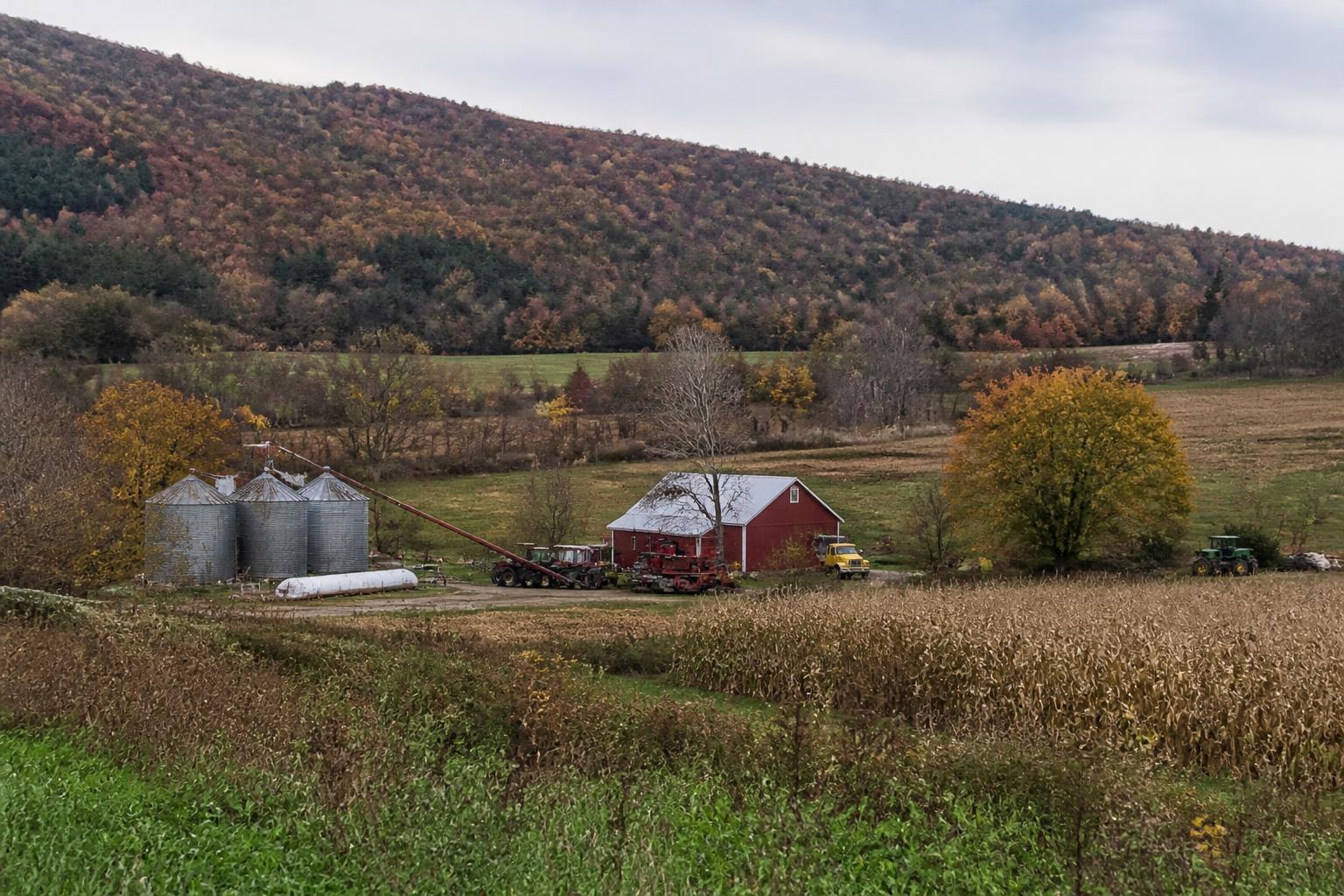
Focusing on Long-Term Soil and Land Stewardship
With the autumn harvest season drawing to a close across New Hampshire, agricultural operations are shifting their focus toward infrastructure maintenance and long-term land management. For many Granite State growers, this transition period is an ideal time to assess soil health and evaluate the efficiency of current conservation practices. Enhanced access to formal conservation planning programs is providing local farmers with the technical assistance needed to integrate more sustainable practices into their existing workflows.
Building Operational Resilience in the Granite State
Proper land stewardship is more than just an environmental goal; it is a fundamental component of business continuity. Producers who implement proactive planning can often mitigate the risks associated with volatile weather patterns and shifting seasonal conditions. By engaging in structured conservation efforts, farms can better prepare for the challenges of the coming year, whether that involves managing field drainage or improving soil composition before the winter freeze. For those interested in how these programs align with broader regional trends, exploring precision risk management strategies remains a vital step for modernizing farm operations.
Aligning Logistics with Sustainable Growth
As farmers finalize their winter preparations, balancing conservation goals with the realities of seasonal logistics remains a priority. Efficient resource management allows growers to optimize their supply chain inputs while ensuring that land-use strategies are sustainable over the long term. As highlighted in our previous coverage on late-season logistics and greenhouse shifts, adapting to current environmental and logistical constraints is essential for maintaining a competitive edge throughout the off-season.
What it means for the market
The influx of conservation planning support signals a shift toward more resilient and data-informed farming in New Hampshire. Producers who take advantage of these resources now are likely to see improved operational efficiency and a more robust foundation for the upcoming spring planting season, helping to stabilize long-term yield projections across the state.
Comments
No comments yet - be the first to share your take.