
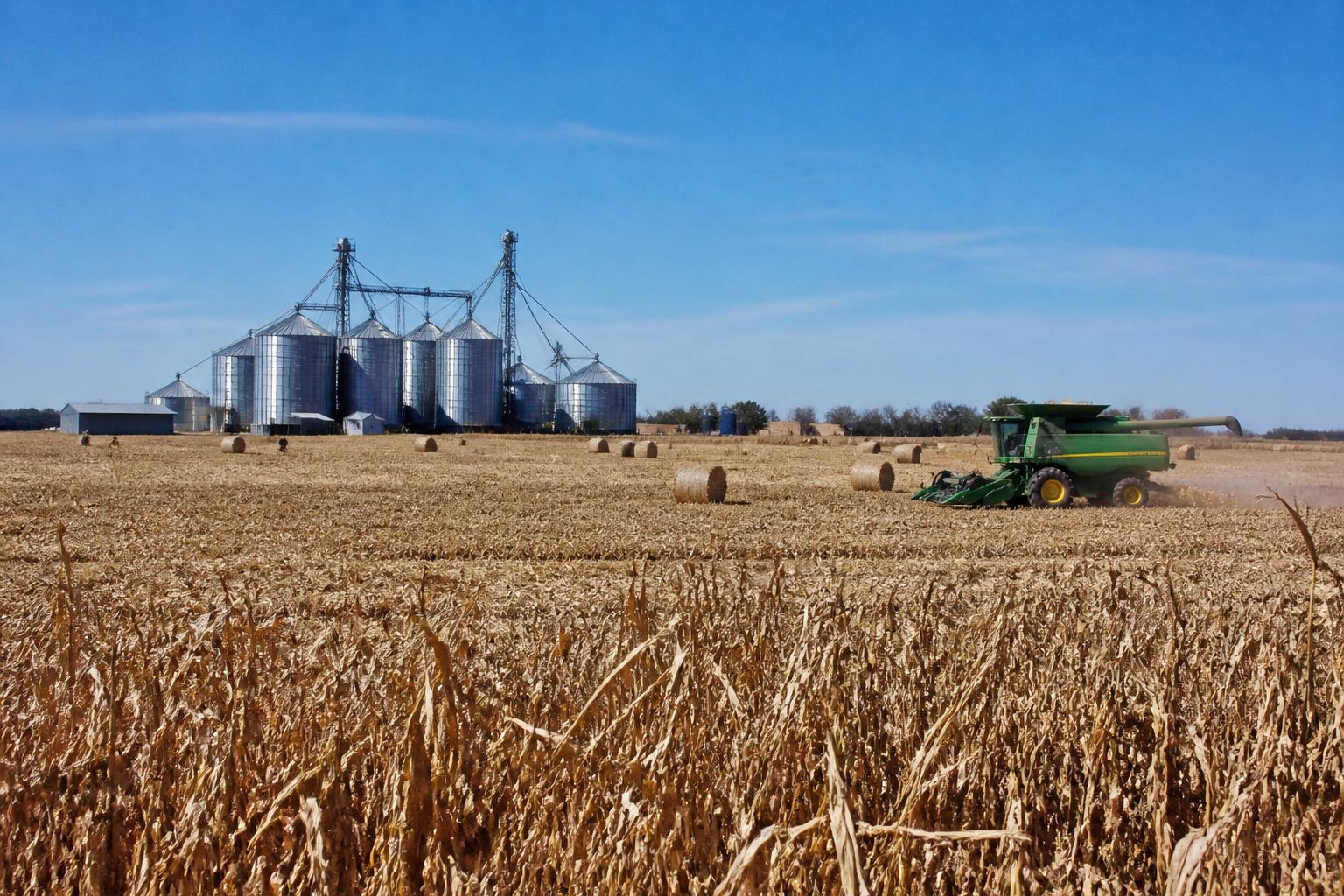
As the fall harvest season winds down across New Hampshire, producers and agribusinesses are shifting their focus toward winter preparations. With the shortening days and cooling temperatures, the logistical landscape for transporting inputs and moving remaining seasonal stock requires careful coordination. For many regional operators, this is the time to audit supply chains and reinforce tightening logistics and pest management challenges that often emerge as winter weather sets in.
The shift in temperature also prompts a transition in operational focus for those relying on controlled-environment agriculture. As growers look to maximize yields during the colder months, integrated pest management becomes a critical component of successful winter production. Understanding the nuances of greenhouse health is vital, particularly as seasonal crop protection strategies become more complex in enclosed spaces.
Managing Winter Greenhouse Transitions
For many greenhouse operators, the upcoming winter period requires a more rigorous approach to monitoring crop health. Educational resources, such as those provided by regional extension services, remain a key asset for producers looking to refine their integrated pest management techniques. Maintaining strict control over environmental variables can help mitigate potential losses when outdoor options are limited by frost or snow cover.
Logistical Considerations for NH Growers
Logistics in New Hampshire often face unique challenges as winter progresses, particularly with road conditions affecting the movement of grain and other heavy agricultural inputs. Elevators and independent farmers may benefit from proactive scheduling to ensure that transportation lanes remain open and efficient. While specific grain car fulfillment rates fluctuate, having a contingency plan for regional transport is a common best practice among successful agribusinesses during this time of year.
What it means for the market
For New Hampshire growers, the current market environment rewards those who prioritize operational flexibility. Whether you are adjusting your greenhouse climate controls or finalizing transport arrangements before severe weather hits, early preparation can help maintain margins in an increasingly competitive agricultural landscape. Staying informed on regional supply chain trends will be key to navigating the remainder of the quarter successfully.
Comments
No comments yet - be the first to share your take.