Vermont Farmers Evaluate Phosphorus Management as Fall Season Progresses
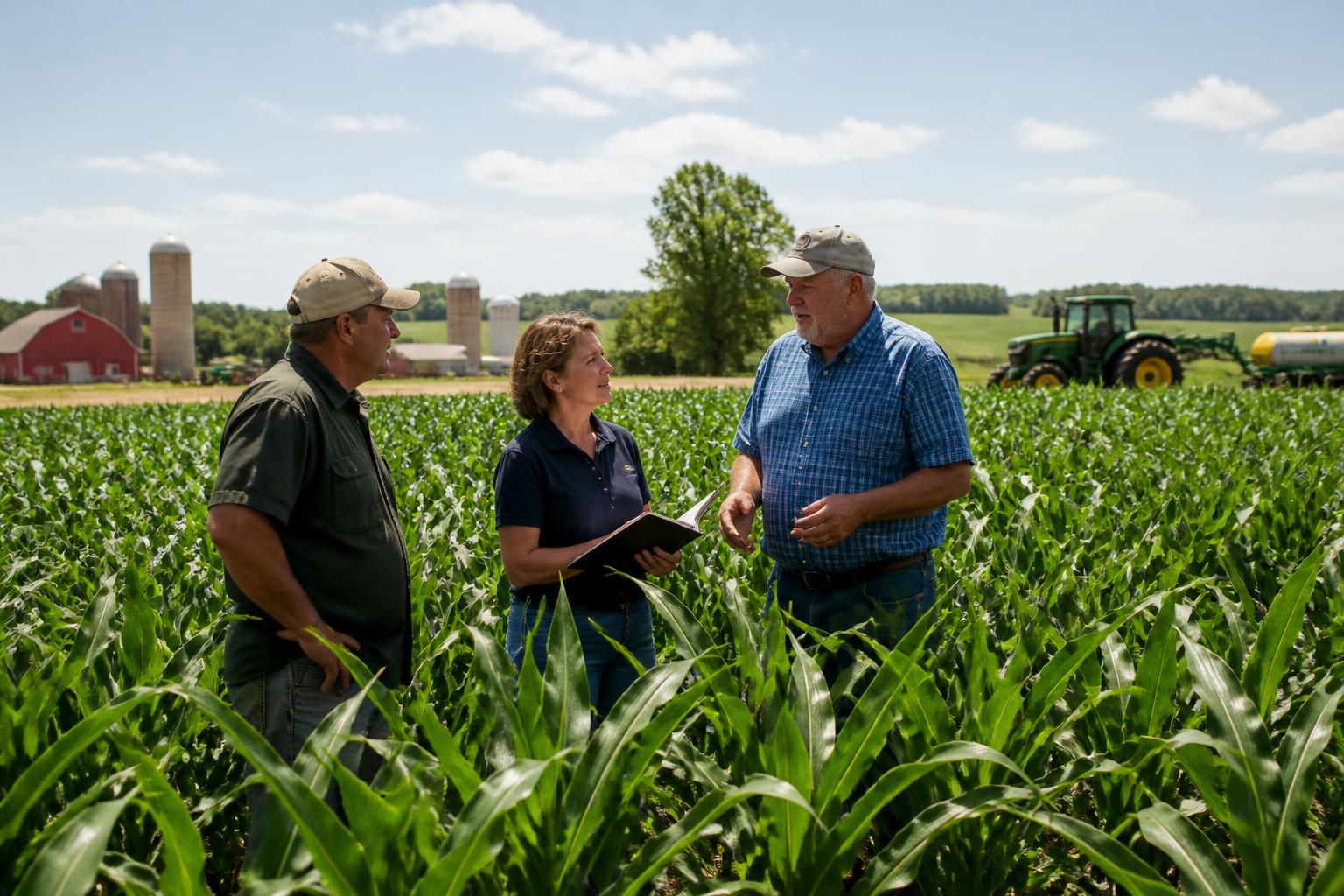
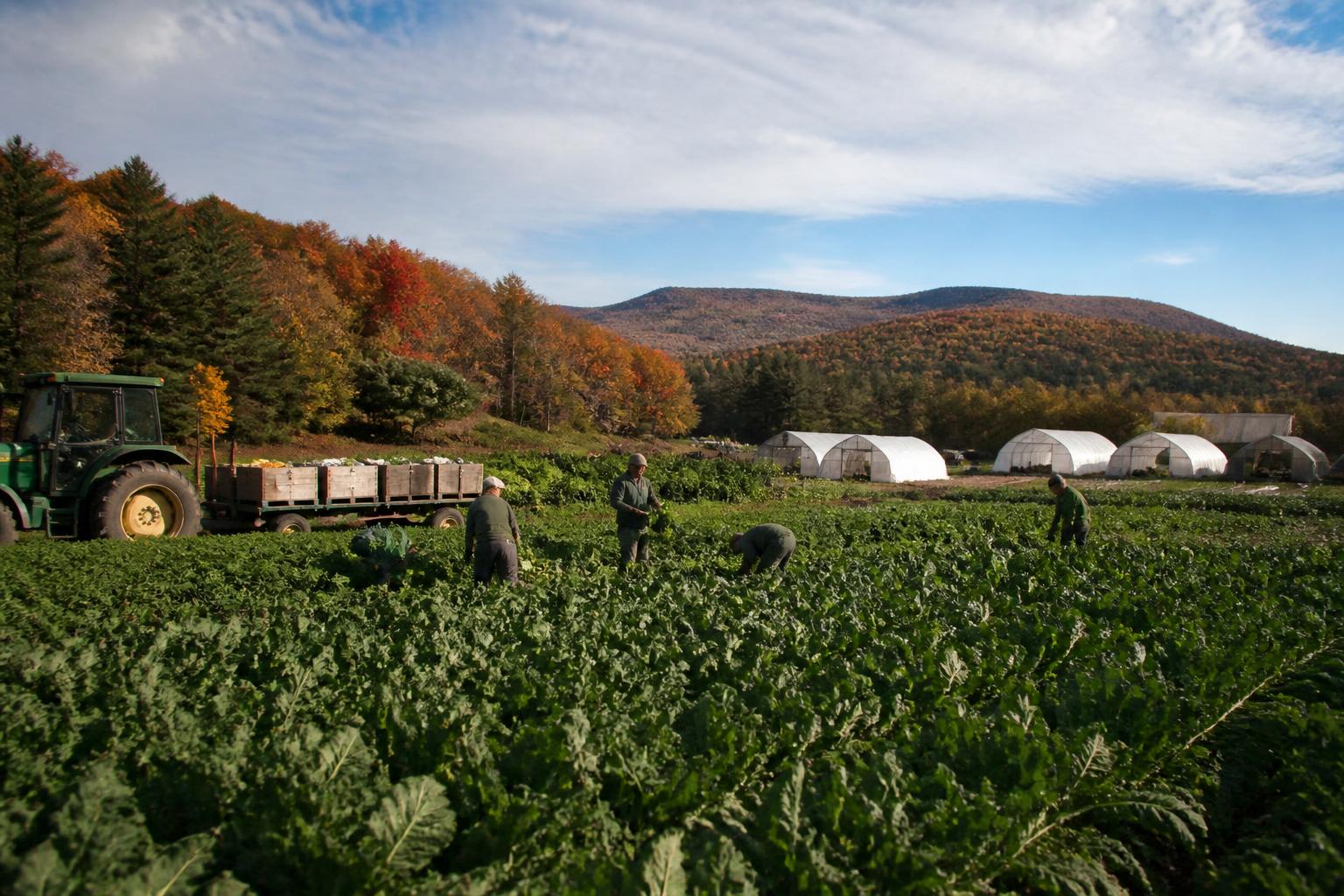
As Vermont producers move into the fall harvest, ongoing efforts to manage phosphorus runoff and improve soil health remain at the forefront of operational planning.
We collect original digests and analytical notes based on facts, market signals and verified sources.
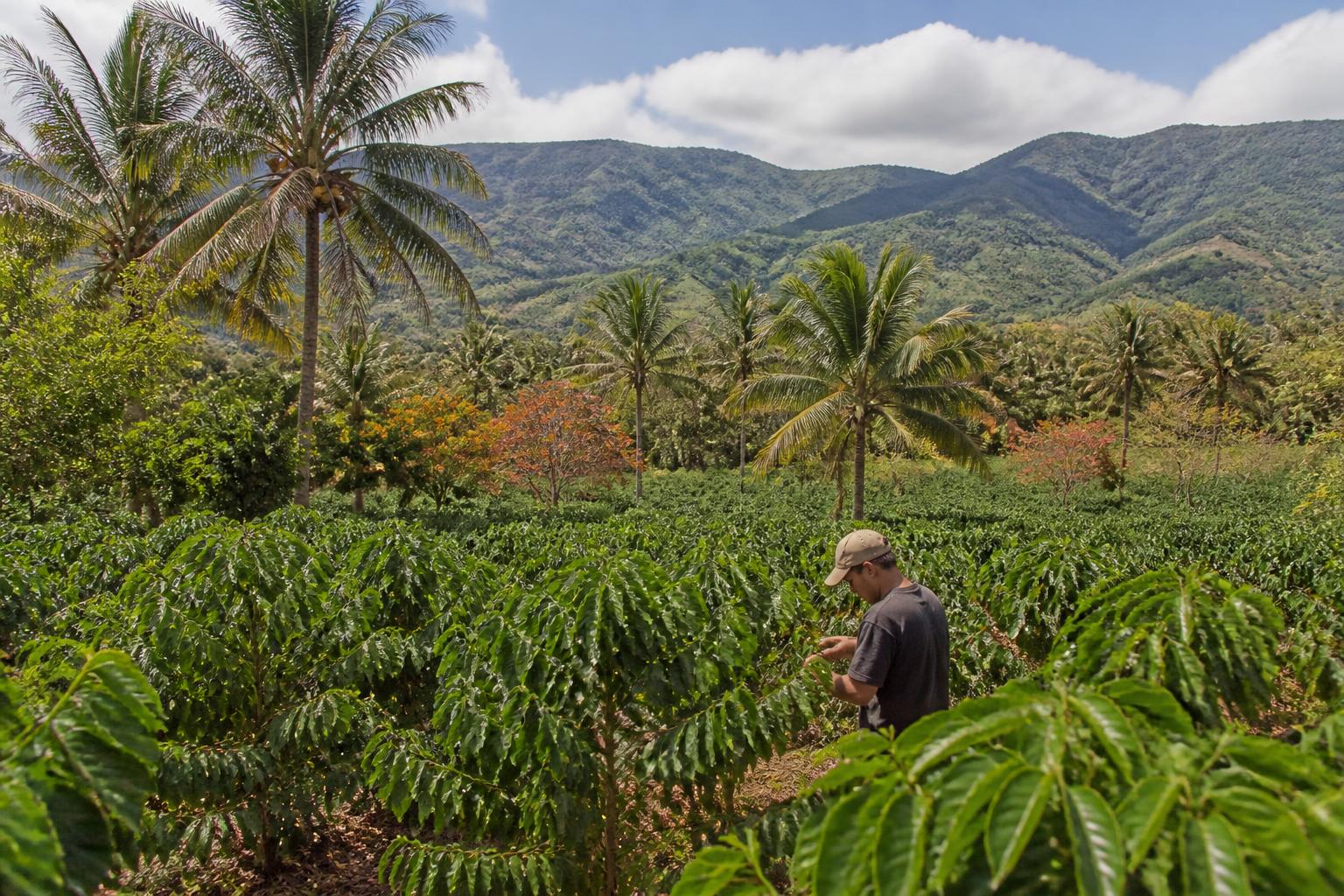
As Hawaii enters the fall season, producers are navigating evolving challenges in biosecurity, land policy, and resource management, necessitating a proactive approach to operational resilience.
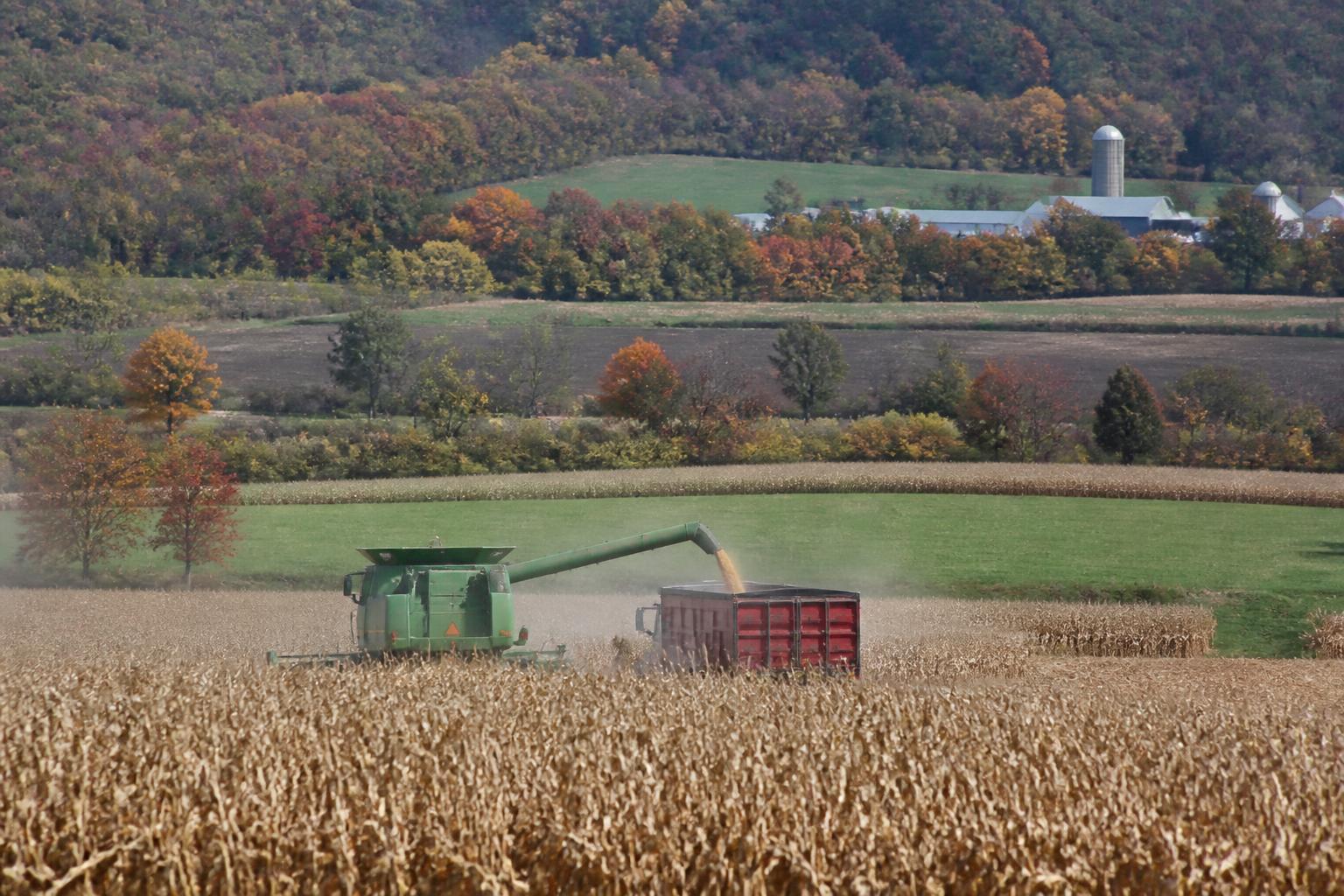
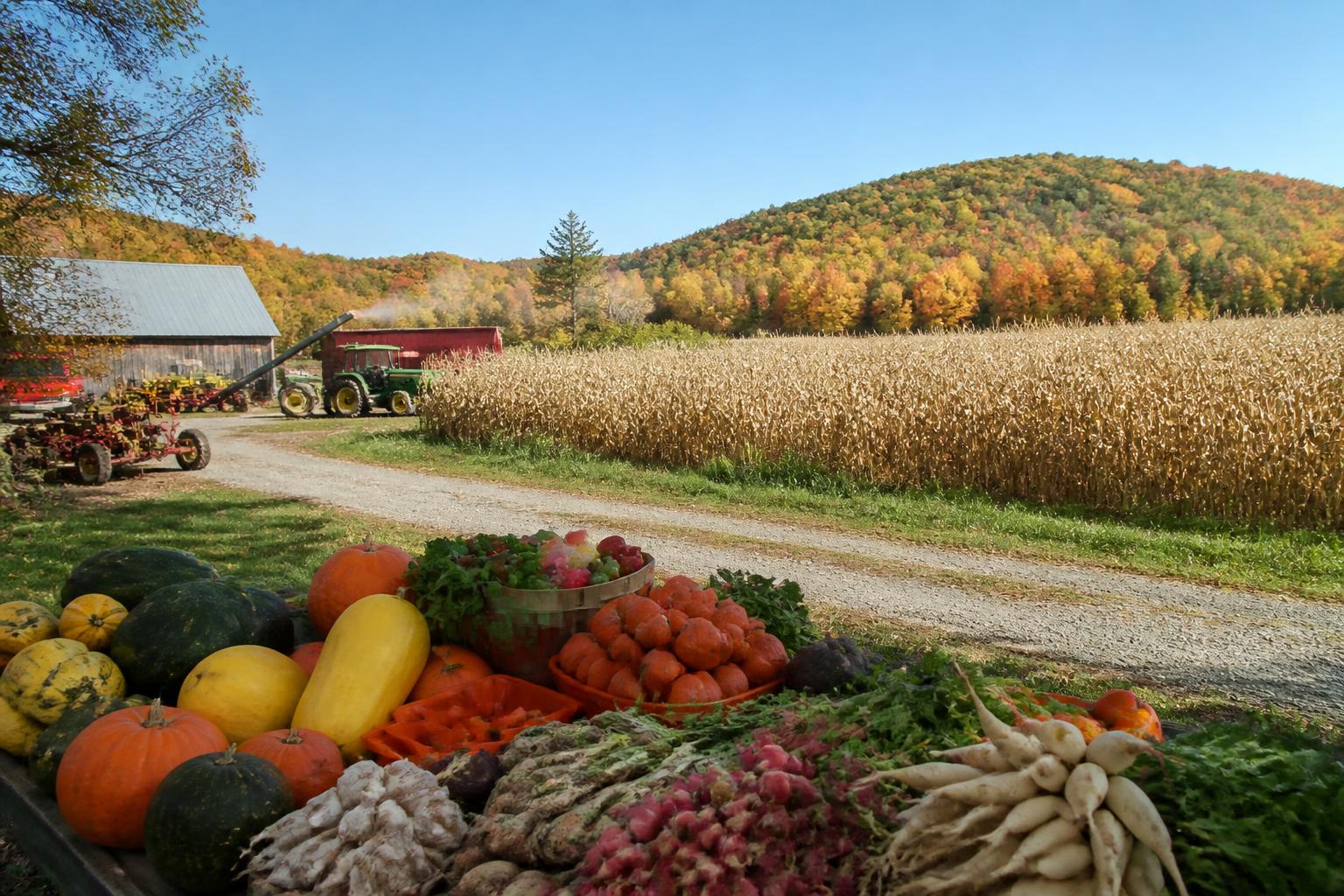
As Vermont producers move into the fall harvest, ongoing efforts to manage phosphorus runoff and improve soil health remain at the forefront of operational planning.
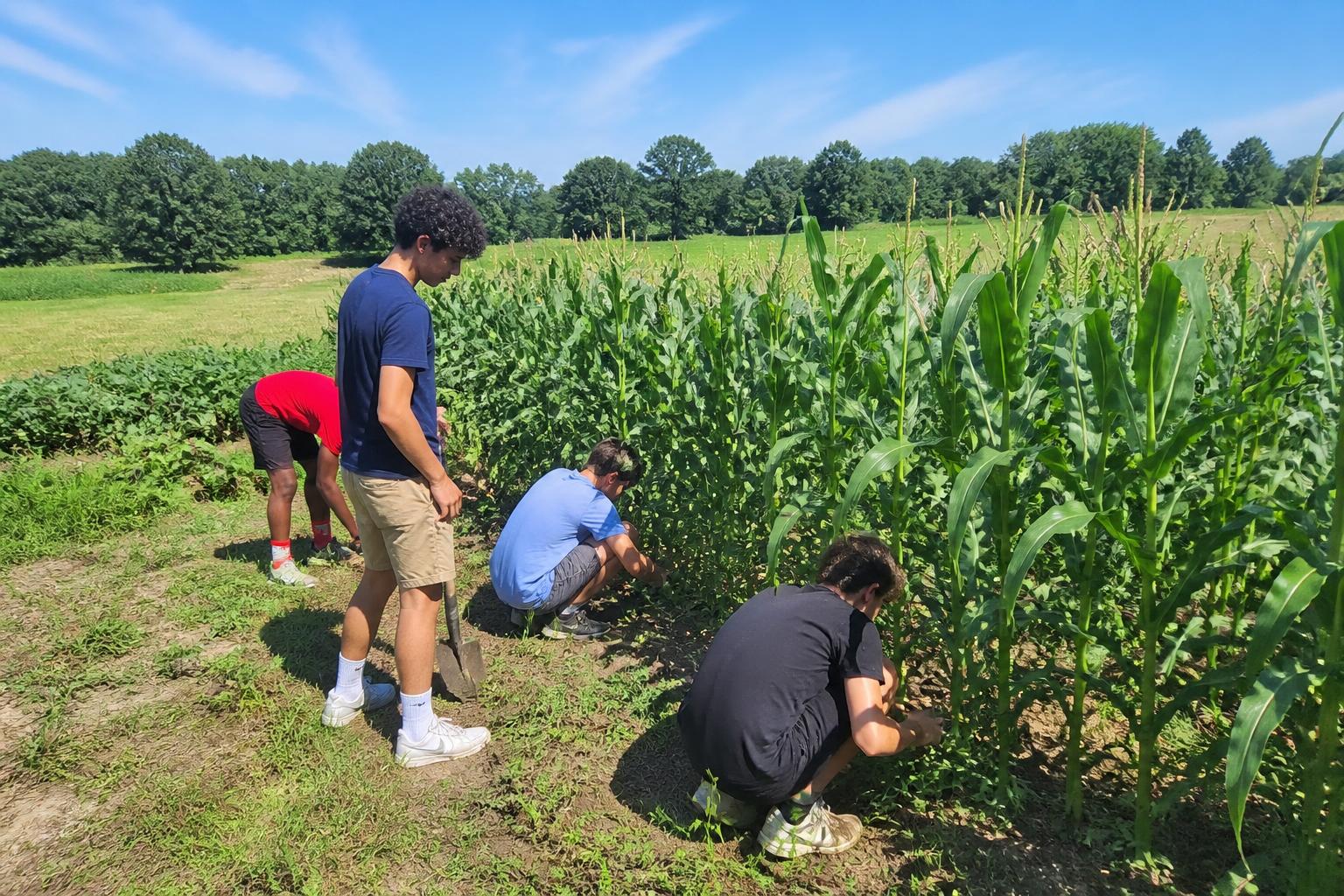
As Rhode Island enters the peak of the fall harvest, land conservation efforts are taking center stage to ensure the long-term viability of the state's agricultural landscape.
As New Hampshire producers move through the fall harvest, tightening conservation guidelines and evolving pesticide rules are top of mind for regional grain operations.
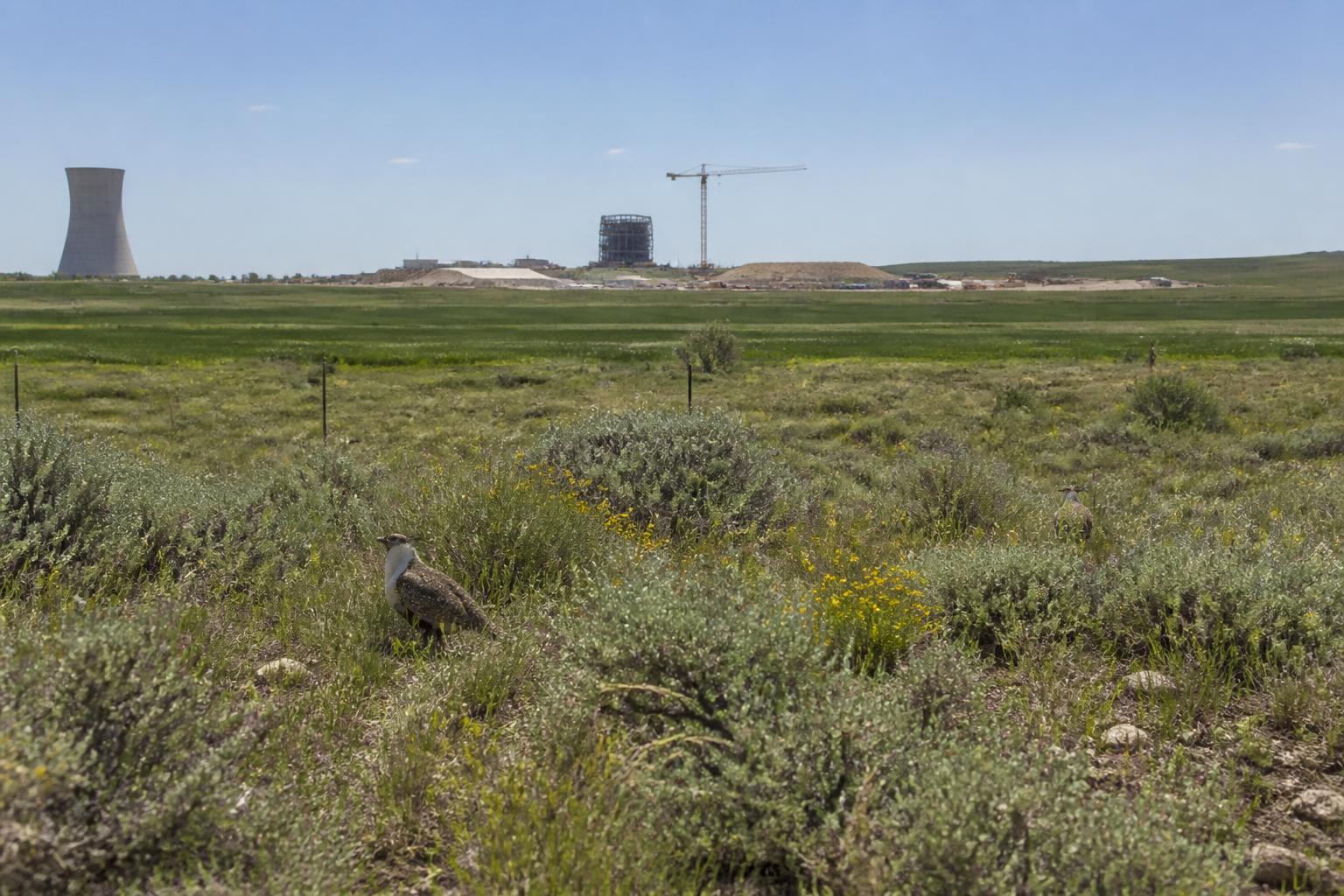
Wyoming producers are balancing new voluntary conservation opportunities against evolving regulatory landscapes that impact grazing and land management.
As Pennsylvania farmers move through the summer season, a focus on land preservation programs and managing rising crop protection costs remains vital for long-term operational stability.
As Wisconsin farmers navigate a challenging economic landscape, new rural infrastructure grants and shifting conservation communication strategies highlight the ongoing focus on operational efficiency.
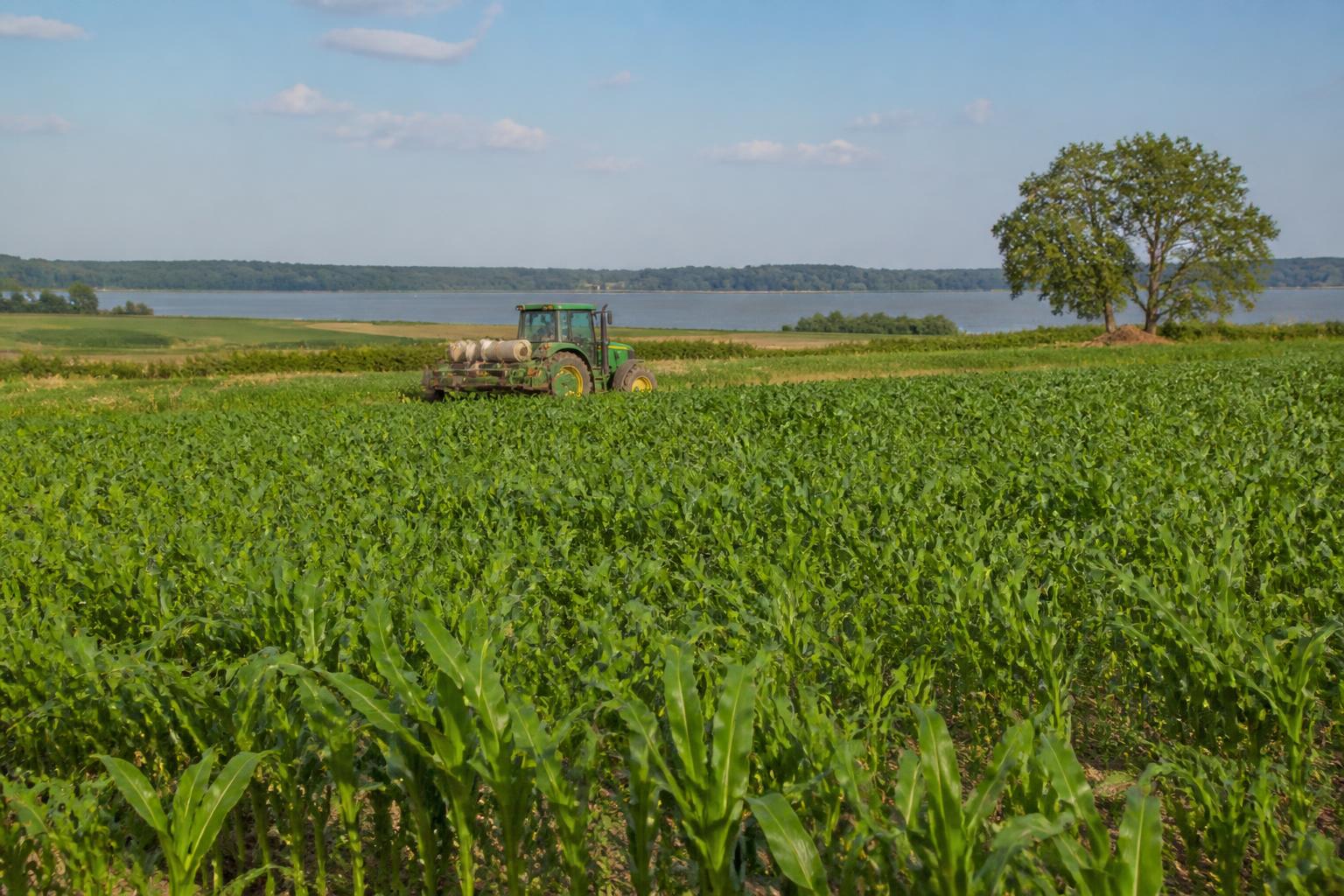
Rhode Island growers are focusing on long-term sustainability and resource management this summer, balancing federal innovation initiatives with evolving input market demands.
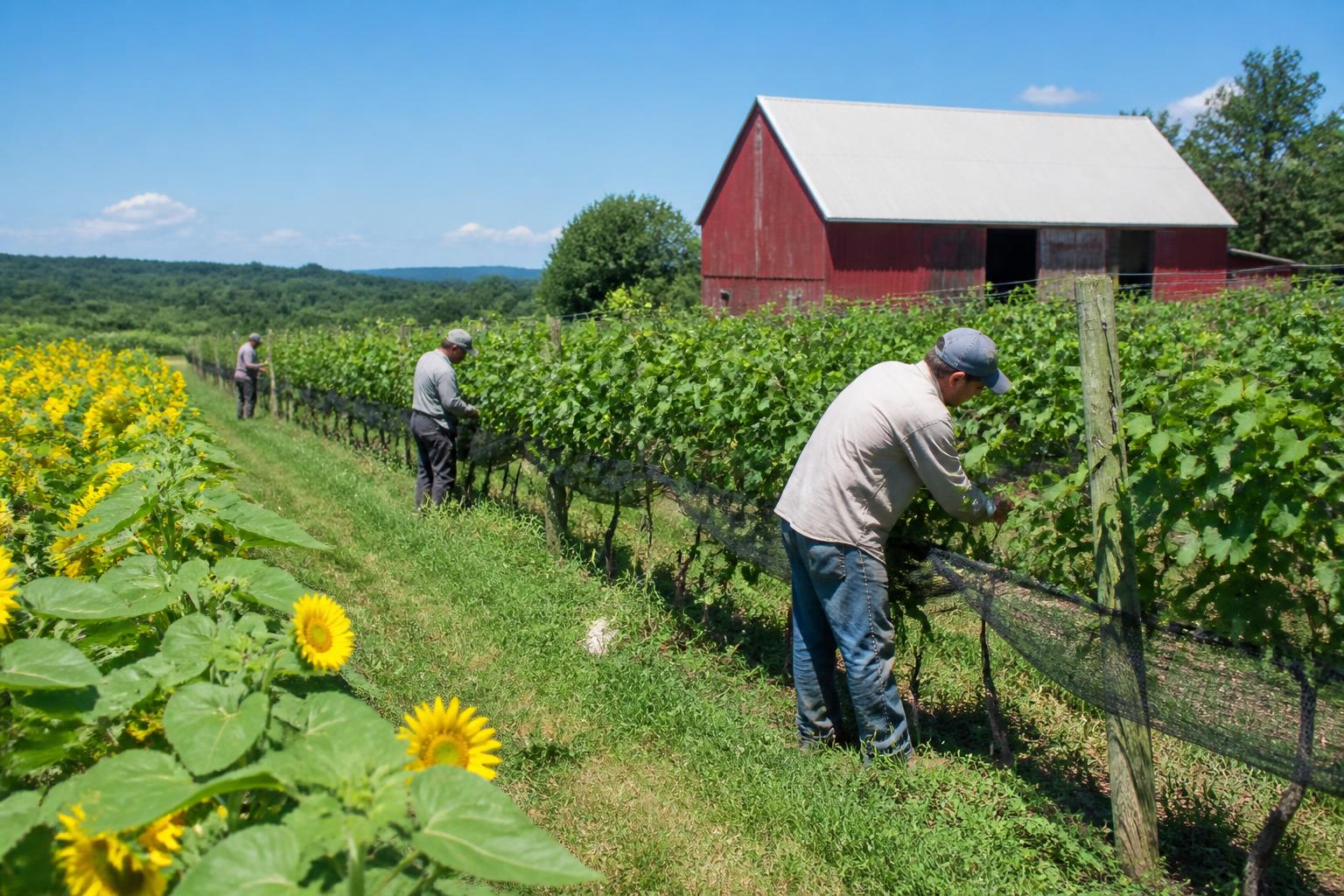
As summer operations peak in Maryland, growers are balancing logistical demands, managing soil fertility, and leveraging state programs to optimize farm protection.
Wisconsin agricultural producers are increasingly integrating targeted pest management and collaborative watershed initiatives to navigate current field and regulatory pressures.
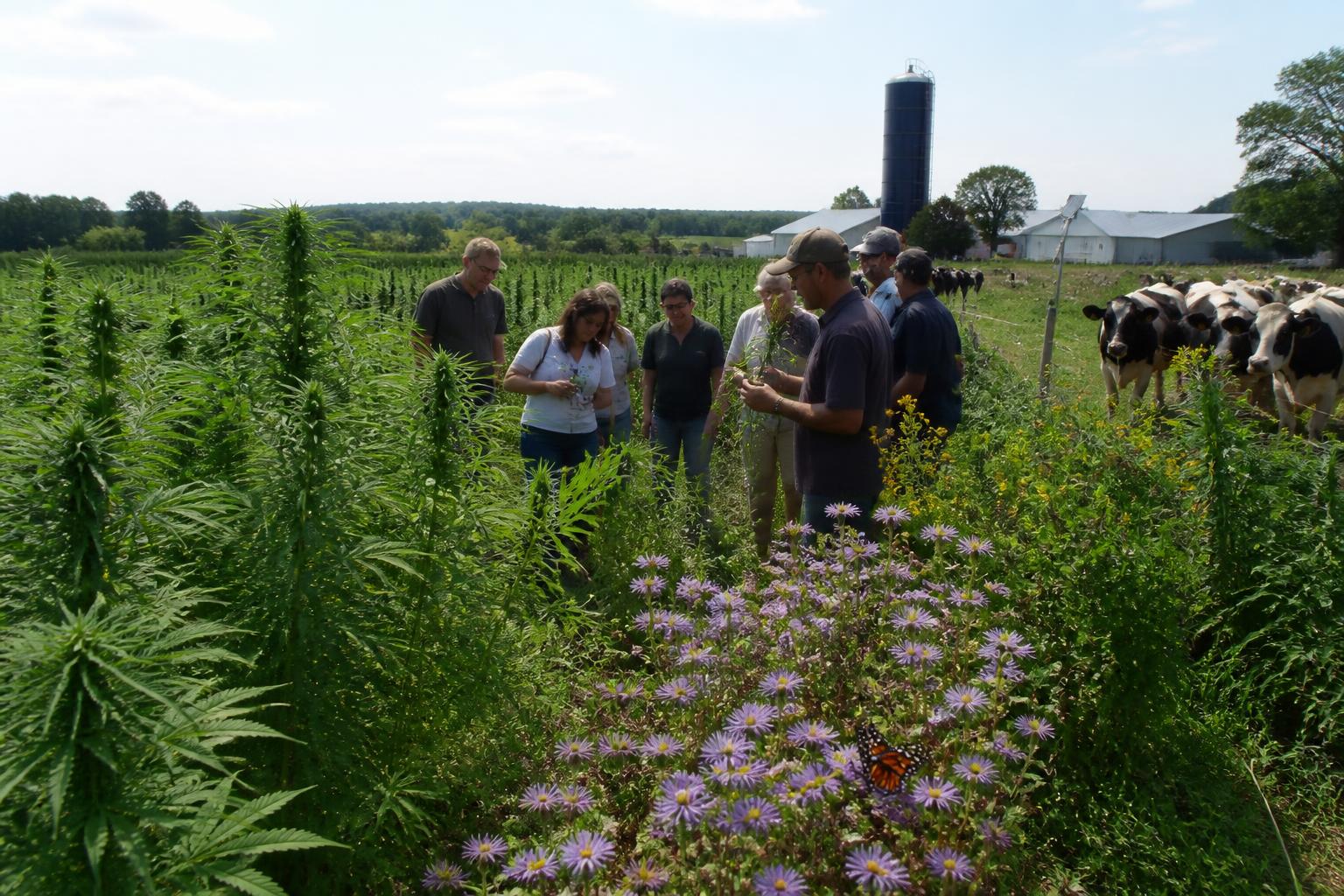
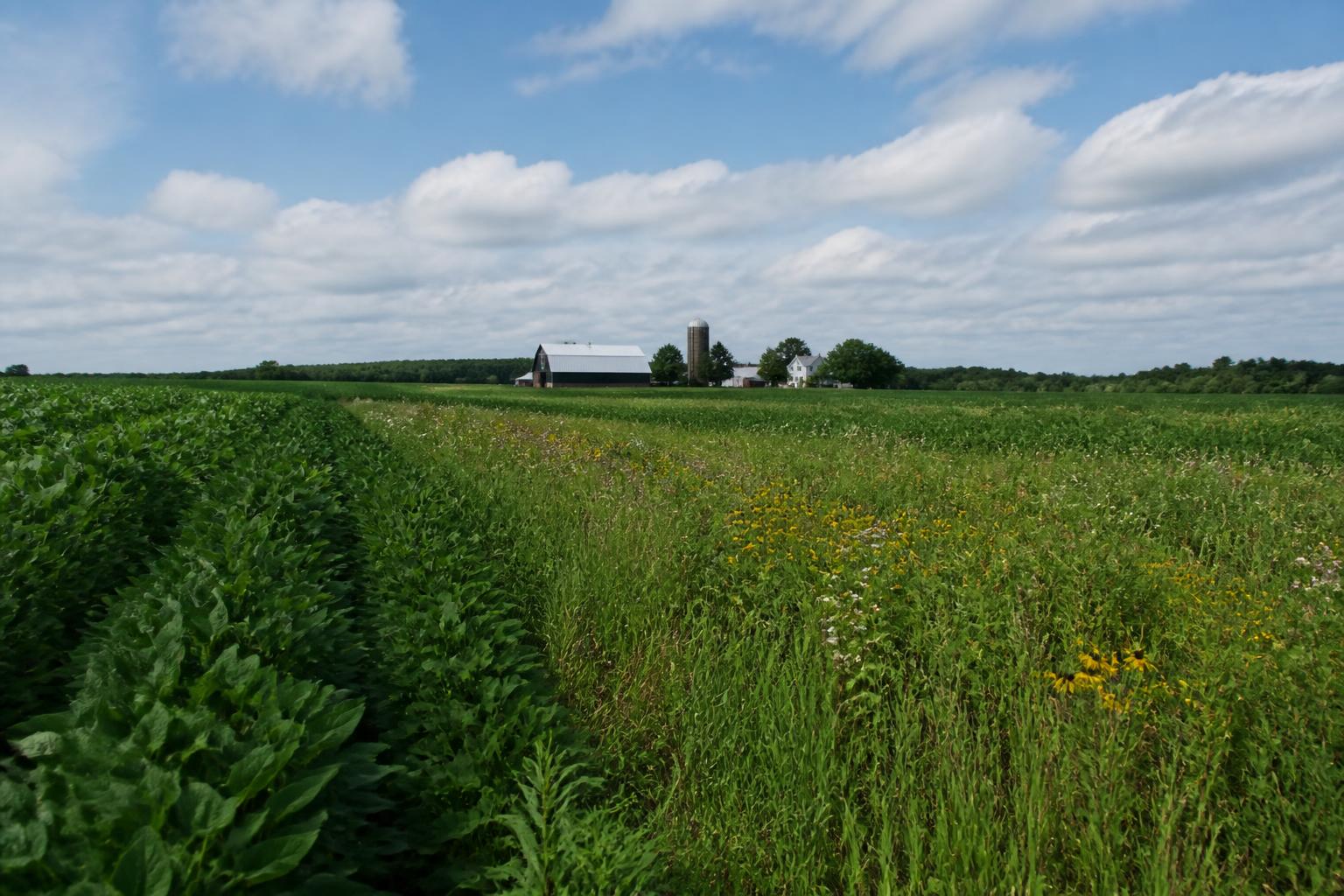
Wisconsin farmers are increasingly adopting conservation strategies like cover crops and prairie strips to mitigate weather risks and environmental runoff during the peak summer season.
Sign in to manage requests, save contacts and respond to market offers quickly.
Continue with Google Continue with MicrosoftSign in to manage requests, save contacts and respond to market offers quickly.
Continue with Google Continue with MicrosoftEnter your email and we will send a password reset link.
Don't have an account?
We value your privacy
We use cookies to run the site and, with your consent, to measure traffic (Google Analytics) and personalize ads. You can accept, reject, or choose. Privacy Policy