
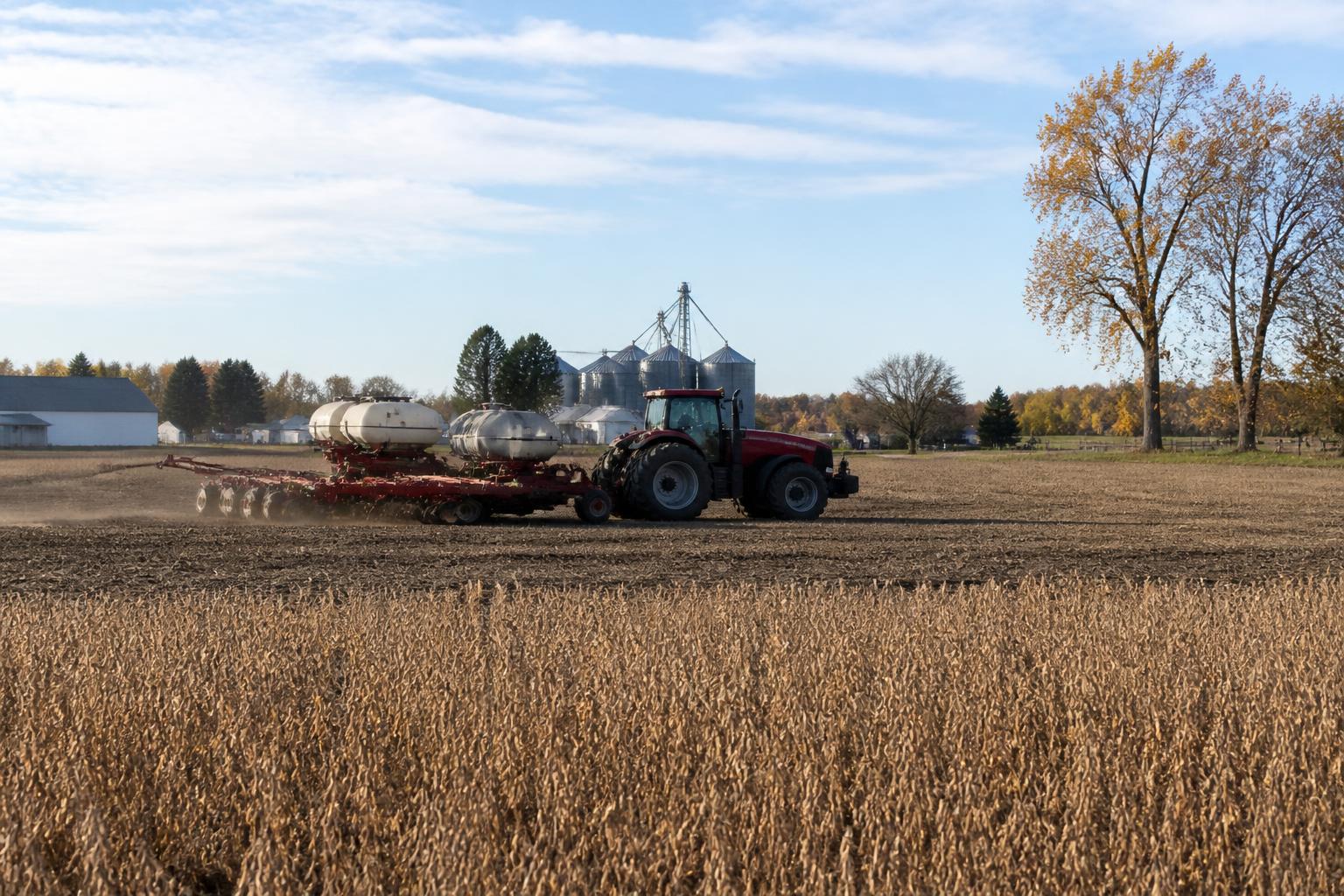
Market Momentum Across Commodities
Grain futures experienced a broad rally mid-November, with soybeans leading the upward trend alongside gains in corn and wheat. Technical buying and supportive fund activity provided a boost to the market, even as weekly U.S. sales figures hit a four-week low. Despite lower overall volume, export demand remains consistent, headlined by purchases from key international buyers such as China and Spain.
While global supply estimates for the new crop in Brazil remain steady, market participants are keeping a close eye on export developments. Traders are also monitoring the impact of flash sales as the marketing year continues to progress. Understanding these shifts is vital for managing grain procurement and logistics during the final quarter of the year.
Refining Operational Efficiency
As market prices fluctuate, producers are increasingly prioritizing operational efficiency to manage margins. In many regions, high costs for fertilizer and fuel are driving renewed interest in soil management practices, including strip-till. Veteran operators note that these methods can help optimize input use and improve soil health over the long term.
Beyond equipment and soil management, farmers are also staying vigilant regarding biological threats. Recent reports of new soybean pathogens, such as Fusarium neocosmosporiellum, highlight the ongoing need for rigorous field monitoring. As producers evaluate yield protection and biosecurity protocols, these agronomic risks remain an essential component of the overall risk management strategy.
What it means for the market
For agribusinesses and elevators, the current rally offers a potential window to lock in positions as the industry navigates a mix of steady export demand and evolving technical factors. With input costs remaining a significant factor in seasonal planning, the focus on efficiency-driven agronomy is expected to persist through the winter. Stakeholders should maintain a balanced perspective on short-term price volatility while preparing for potential regulatory changes regarding genetically engineered crop traits that may impact future production cycles.
Comments
No comments yet - be the first to share your take.