
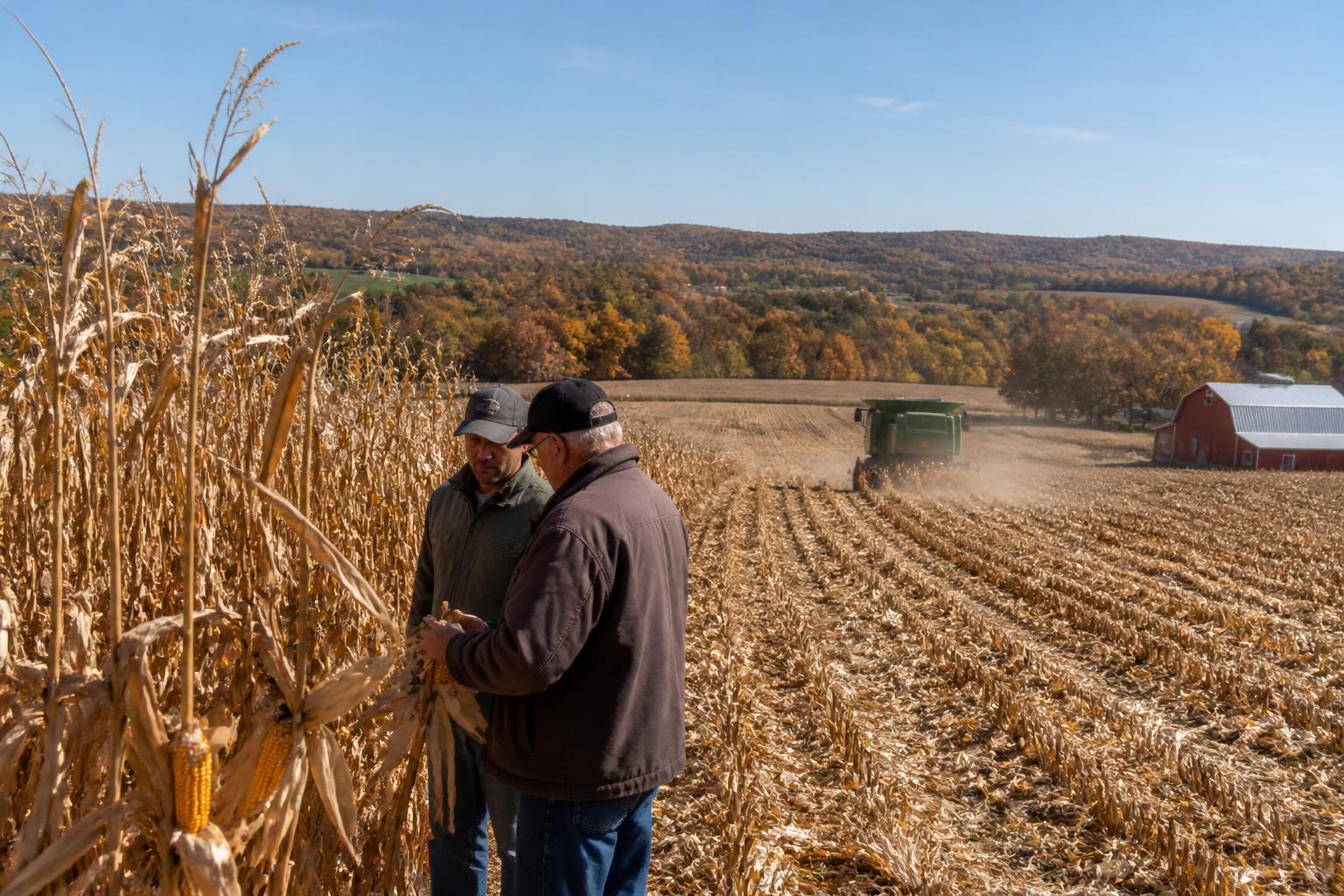
As the South Dakota harvest season moves toward its final stages this November, producers are increasingly navigating a complex landscape defined by shifting weather patterns and persistent input cost pressures. With reports of potential deep freezes in some regions, farmers are balancing the urgency of getting crops out of the field against the operational risks that come with late-season harvesting.
For those still in the field, managing the transition between harvest and storage is critical. Maintaining financial and operational efficiency is paramount, particularly as many agricultural businesses continue to face tightened margins that demand careful planning for the upcoming winter. Producers may find that evaluating post-harvest financial strategies is a necessary step to stabilize their operations against market fluctuations and rising production expenses.
Input Costs and Resource Management
The conversation around profitability remains central to South Dakota agribusiness. Many producers are exploring fertilizer alternatives as costs remain elevated, seeking to maintain soil productivity without overextending operational budgets. This focus on efficiency is further bolstered by advancements in precision technology, which continue to see interest across the Northern Plains as a means to optimize input use and monitor field conditions in real-time.
Water Security and Infrastructure
Infrastructure remains a key component of long-term risk mitigation. Recent state-level support for water projects highlights the ongoing efforts to bolster rural resilience. For many, investing in better water management is seen as a way to protect land value and ensure consistency in production cycles, despite the inherent volatility of the Great Plains climate.
What it means for the market
The current market environment requires a disciplined approach to both field-level logistics and financial management. As harvest wraps up, the focus shifts to storage maintenance and planning for the new year. Producers who prioritize equipment maintenance, secure energy sources like propane for drying, and refine their financial forecasting will be better positioned to navigate the economic uncertainties that lie ahead for the agricultural sector in the coming months.
Comments
No comments yet - be the first to share your take.