
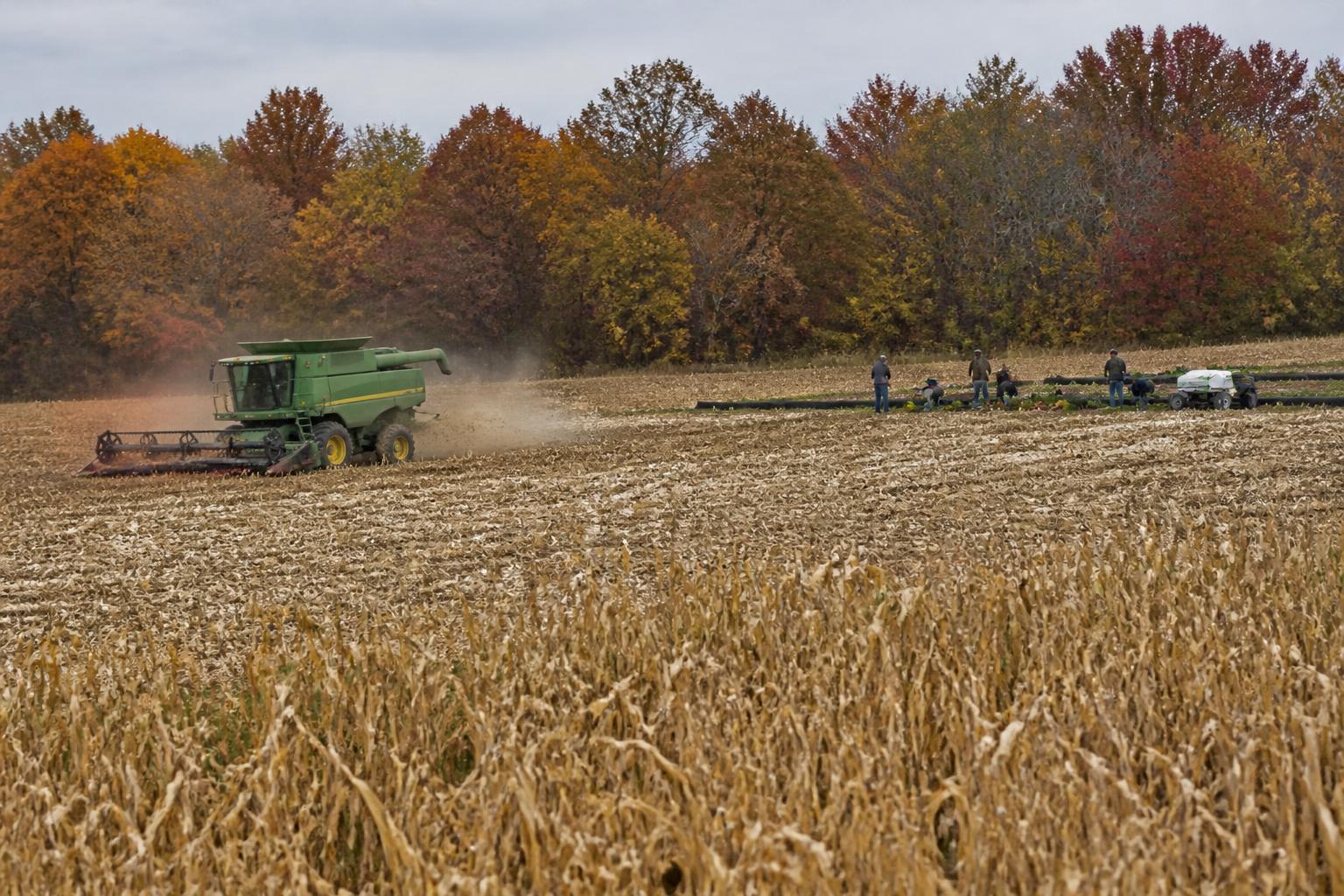
As Michigan farmers close out the final field activities of the fall, market participants are processing recent developments that span from commodity price fluctuations to long-term efficiency investments. The agricultural landscape in the Great Lakes region remains highly sensitive to broader national shifts, particularly following recent USDA reports that injected new momentum into grain markets.
Translating Commodity Trends to Local Operations
Recent volatility in corn and soybean markets has caught the attention of producers across the state. While national sentiment often dictates the immediate outlook, Michigan growers are focusing on local input management to preserve margins. Understanding the direct correlation between rising energy costs and production overhead is increasingly vital as operations head into the planning phase for the upcoming season. Managing these expenses is a key priority for maintaining long-term competitiveness.
Investment in Efficiency and Precision
Beyond the grain elevator, there is a clear trend toward operational optimization. Whether through the integration of laser weeding technology in vegetable crops or leveraging specialized grants to scale up value-added processing, Michigan agribusinesses are seeking ways to do more with less. This transition toward technology-driven protection and production is proving to be a bright spot in capital allocation.
For those managing livestock or specialty crops, utilizing resources like the state's local directories continues to provide a meaningful way to reach direct-to-consumer markets, bypassing some of the traditional supply chain pressures. These localized strategies help insulate smaller and mid-sized operations from the wider swings in national agricultural markets.
What it means for the market
The current environment requires a disciplined approach. Producers who prioritize efficiency—whether by monitoring logistics and input costs or adopting precision tools—are better positioned to manage the ongoing uncertainty in commodity prices. As the season turns, focus should remain on securing input needs early and evaluating which technological investments provide the most immediate return for your specific operation.
Comments
No comments yet - be the first to share your take.