
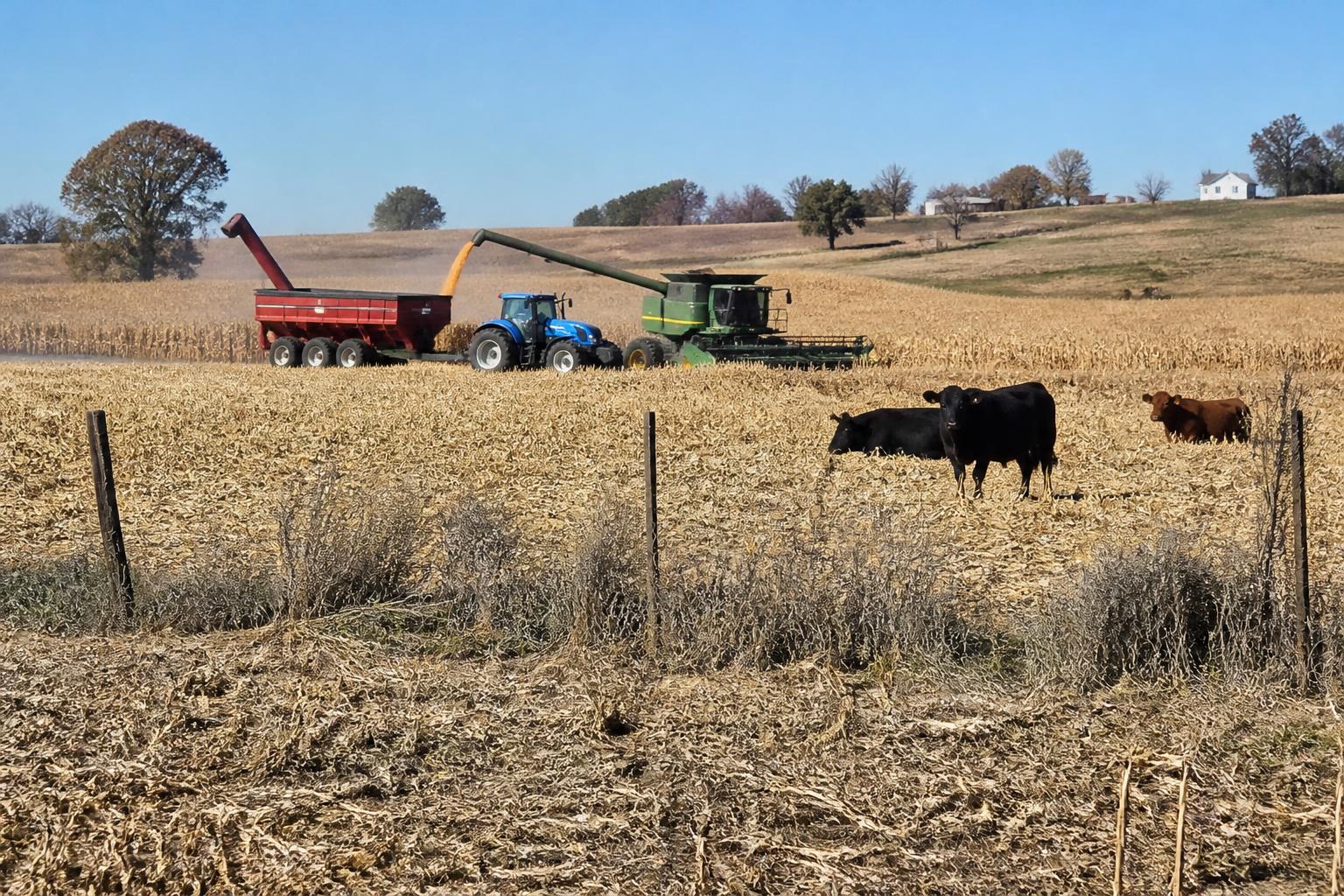
With the dust settling on fields from the James River Valley to the western plains, South Dakota producers are shifting focus toward year-end financial health. The transition from active harvest to planning stages is a critical juncture for regional agribusinesses and farm operations looking to solidify their position heading into the winter months.
For many, evaluating the balance sheet is the current priority. Understanding liquidity and equity positions remains a cornerstone for those considering land acquisitions or adjustments to their capital expenditure plans. As farmers analyze yield results against production costs, the feasibility of various input strategies for the coming year is becoming a primary topic of discussion at local elevators and cooperatives.
Managing Land and Residue Assets
Beyond the grain bin, interest remains high in maximizing the value of fall residues. Options such as managing storage constraints while incorporating livestock grazing on corn stalks are increasingly common practices. Integrating cattle into post-harvest fields can serve as an effective tool for managing volunteer corn and potentially offsetting some of the costs associated with land management.
Meanwhile, the broader agricultural sector continues to watch Washington. Market analysts suggest that ongoing legislative discussions regarding the farm bill are hitting a critical phase, creating a climate of cautious observation for producers planning long-term investments. Staying updated on these developments is essential as federal support structures could influence regional risk management profiles in the 2027 season.
Looking Ahead at Market Conditions
As the regional supply chain stabilizes following the peak movement of bushels, attention naturally drifts to commodity price trends. Recent reports on national yield expectations have kept local market participants engaged, particularly as global and domestic supply figures continue to be reconciled. For growers in areas like the I-29 corridor, staying informed on operational risks remains just as important as monitoring basis levels as the winter shipping season approaches.
What it means for the market
The current market environment encourages a disciplined approach to capital management. Producers who use this time to clean up operational inefficiencies and assess their debt-to-asset ratios are generally better positioned to navigate the economic uncertainties that often characterize early-winter planning periods. With the legislative landscape in flux, prioritizing liquidity and lean operational planning can provide a buffer against potential volatility in the new year.
Comments
No comments yet - be the first to share your take.