
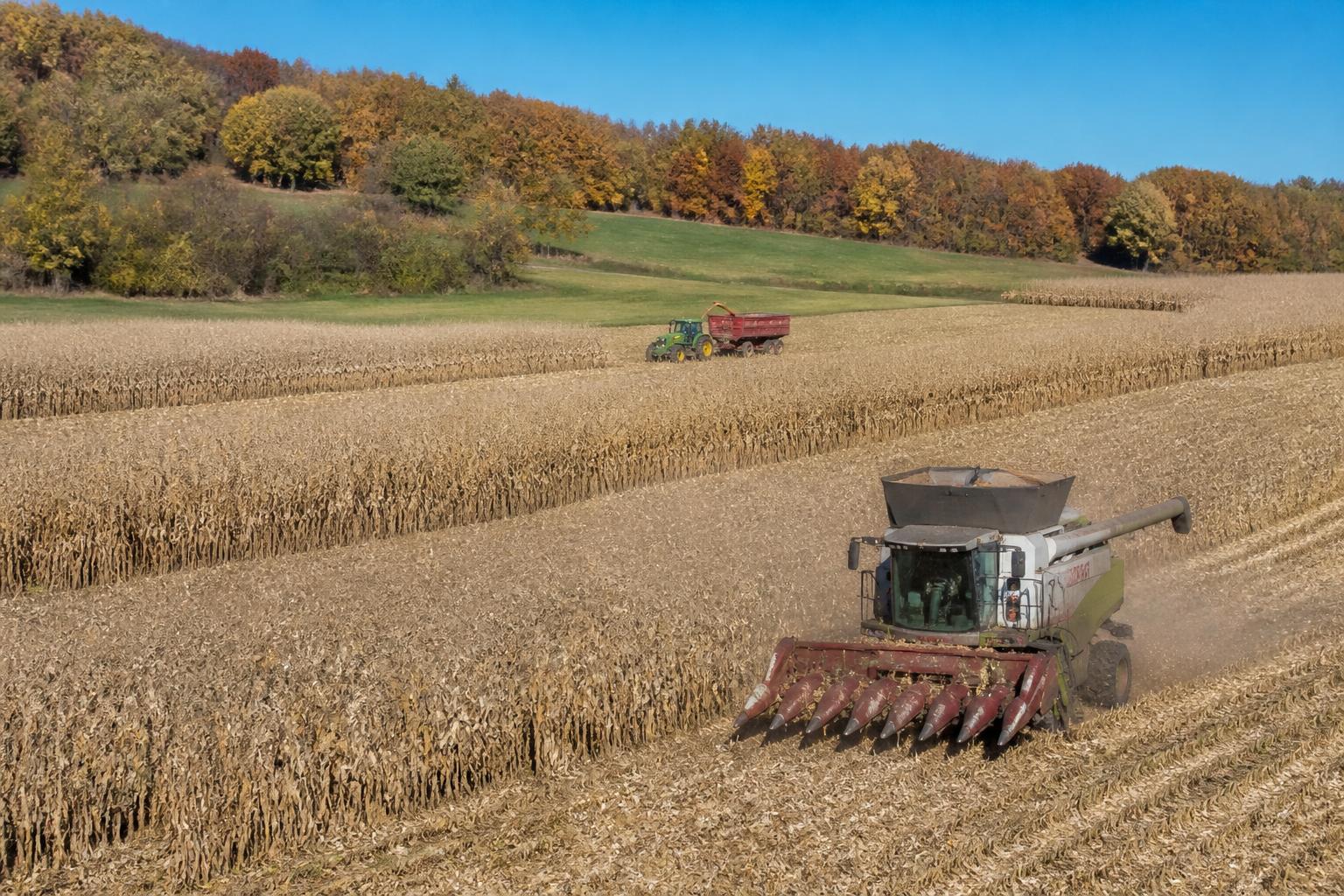
As the fall harvest season reaches its final stages across Minnesota, producers and grain handlers are turning their attention toward long-term storage and regional logistics. The recent USDA reports have sparked moderate movement in corn and soybean prices, providing a slight reprieve for operators navigating tight margins. However, local market participants remain cautious as they weigh these price shifts against ongoing regional freight pressures.
Evaluating Regional Logistics and Freight Trends
For many Minnesota agribusinesses, the primary concern remains the efficiency of moving grain from the field to terminal markets. Recent data suggests a broad decline in several USDA grain freight indexes, affecting truck, rail, and barge sectors. While these shifts can sometimes signal reduced pressure on infrastructure, operators in areas like the Red River Valley or the Minnesota River corridor must often remain vigilant regarding local elevator bottlenecks and seasonal weight restrictions that can arise as winter conditions set in.
Understanding these variables is crucial for managing post-harvest logistics effectively. As capacity demand softens in some shipping lanes, grain handlers may find more competitive rates for repositioning stocks, though volatility often persists in the rail sector depending on regional demand for hopper car availability.
Strategic Planning Amidst Market Uncertainty
Beyond logistics, the broader agricultural policy environment is influencing forward-looking strategies. Discussions regarding federal authority over major infrastructure projects continue to draw attention from regional farm leaders, as these decisions may eventually impact the cost and feasibility of future transit expansions. Producers are encouraged to evaluate their current storage options to determine if holding grain for later in the season aligns with their financial goals and risk management, particularly when regional basis levels remain inconsistent.
Keeping a close eye on local storage capacity is a priority for those looking to maximize their returns. Reliable data on market-driven margin adjustments can provide essential guidance for producers deciding between immediate delivery or storage for the upcoming winter months.
What it means for the market
For Minnesota farmers and agribusinesses, the current environment demands a focus on operational agility. While global demand questions persist, the immediate tactical advantage lies in monitoring localized freight indexes and optimizing regional storage capacity to hedge against potential transportation bottlenecks later this winter.
Comments
No comments yet - be the first to share your take.