
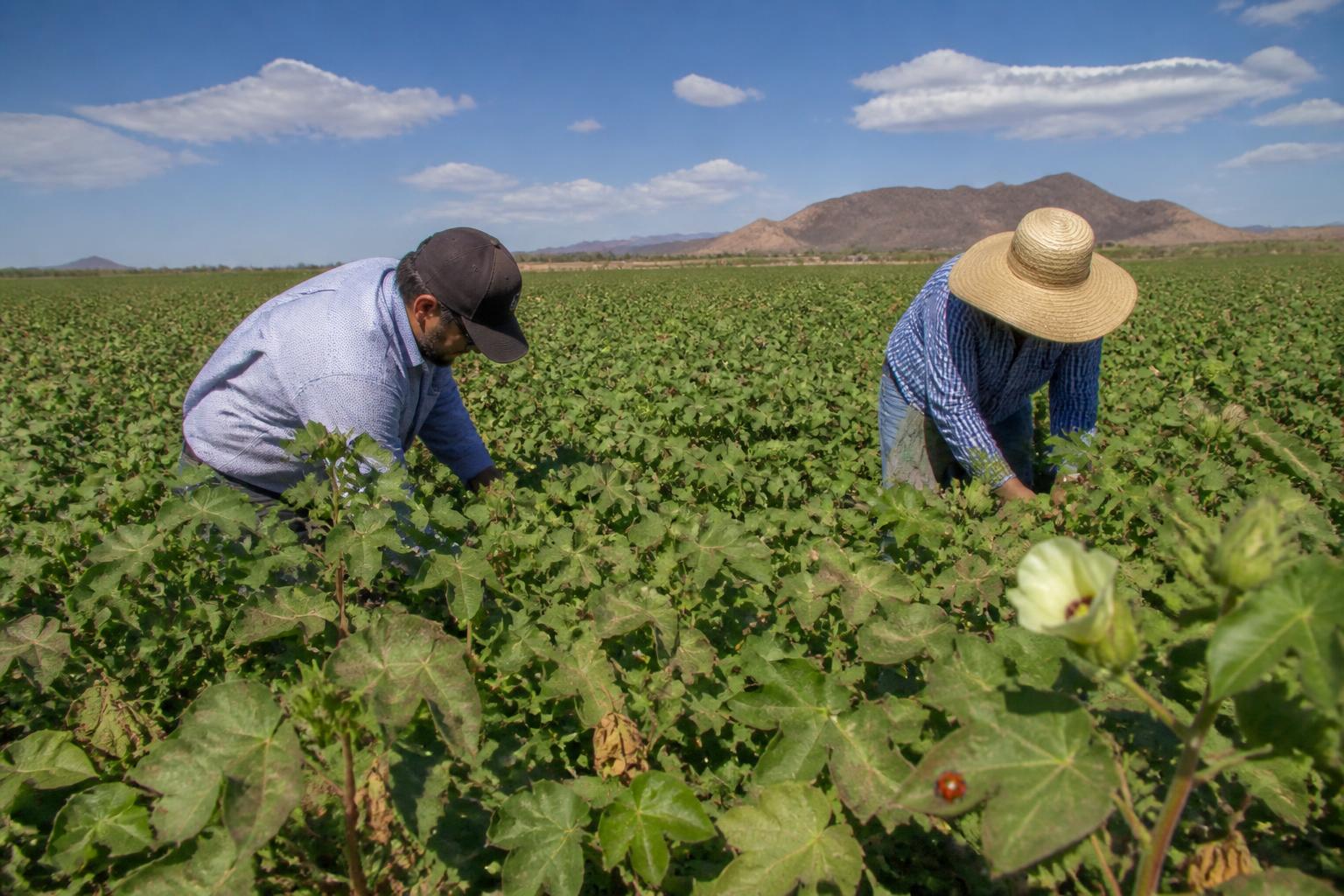
As summer temperatures soar across Arizona, agricultural logistics operators face the dual challenge of protecting sensitive cargo and maintaining efficient transit schedules. Across key transportation corridors like Interstate 10 and Interstate 8, moving desert crops requires meticulous planning. The intense June heat can compromise truck refrigeration systems, tire integrity, and driver safety. For local grain elevators and shipping hubs, coordinating early morning or late evening hauls is a standard strategy to bypass peak daytime temperatures.
With shipping pressures intensifying, keeping logistics fluid is vital. For more context on how desert shippers handle these seasonal demands, readers can review our analysis of Arizona Ag Transport: Keeping Desert Supply Chains Moving in the Summer Heat.
Cotton Expansion and Desert Durum Shipping Demands
Arizona's transport network is also adapting to shifts in crop volume and quality verification. The state is expected to contribute to an upcoming bump in U.S. cotton production, which will increase the demand for flatbed haulers, module movers, and warehouse space in farming hubs like Pinal and Maricopa counties. Concurrently, the regional Desert Durum wheat industry relies on a dedicated certification mark to authenticate its high-quality crop. This certification helps secure premium export markets, which in turn demands clean, secure, and identity-preserved grain hauling solutions.
Additionally, the logistics of specialty crops are shifting. For example, some regional pecan operations are utilizing bulk compost programs, which require localized dump truck and hopper logistics to move soil inputs before planting or during maintenance cycles. Successfully managing these diverse cargo types requires adaptable regional trucking fleets. To understand how these dynamics intersect with global logistical pressures, see our guide on Arizona Ag Logistics: Moving Desert Crops Amid Summer Heat and Global Shipping Pressures.
Sustainability and Supply Chain Metrics
Beyond the daily grind of dispatching trucks, regional shippers are increasingly held to rigorous environmental and efficiency metrics. The Sustainability Consortium, involving Arizona State University (ASU), utilizes the THESIS Index to assess supply chain sustainability across various consumer goods. This focus on sustainability is driving logistics providers to optimize routes, reduce empty miles, and adopt fuel-efficient technologies. At the same time, geopolitical vulnerabilities, such as risks surrounding key maritime choke points like the Strait of Hormuz, emphasize the need for resilient domestic supply chains that can quickly redirect crops from field to rail or port.
What it means for the market
For Arizona agribusinesses, the combination of a projected cotton production bump, strict crop certification standards, and intense summer operating conditions highlights the premium on reliable transportation. Haulers who can guarantee climate-controlled reliability, secure bulk transport, and verified supply chain tracking will likely find themselves in high demand. Producers should lock in transport contracts early to navigate seasonal capacity constraints and ensure that their high-value crops reach domestic and international markets without delay.
Comments
No comments yet - be the first to share your take.