
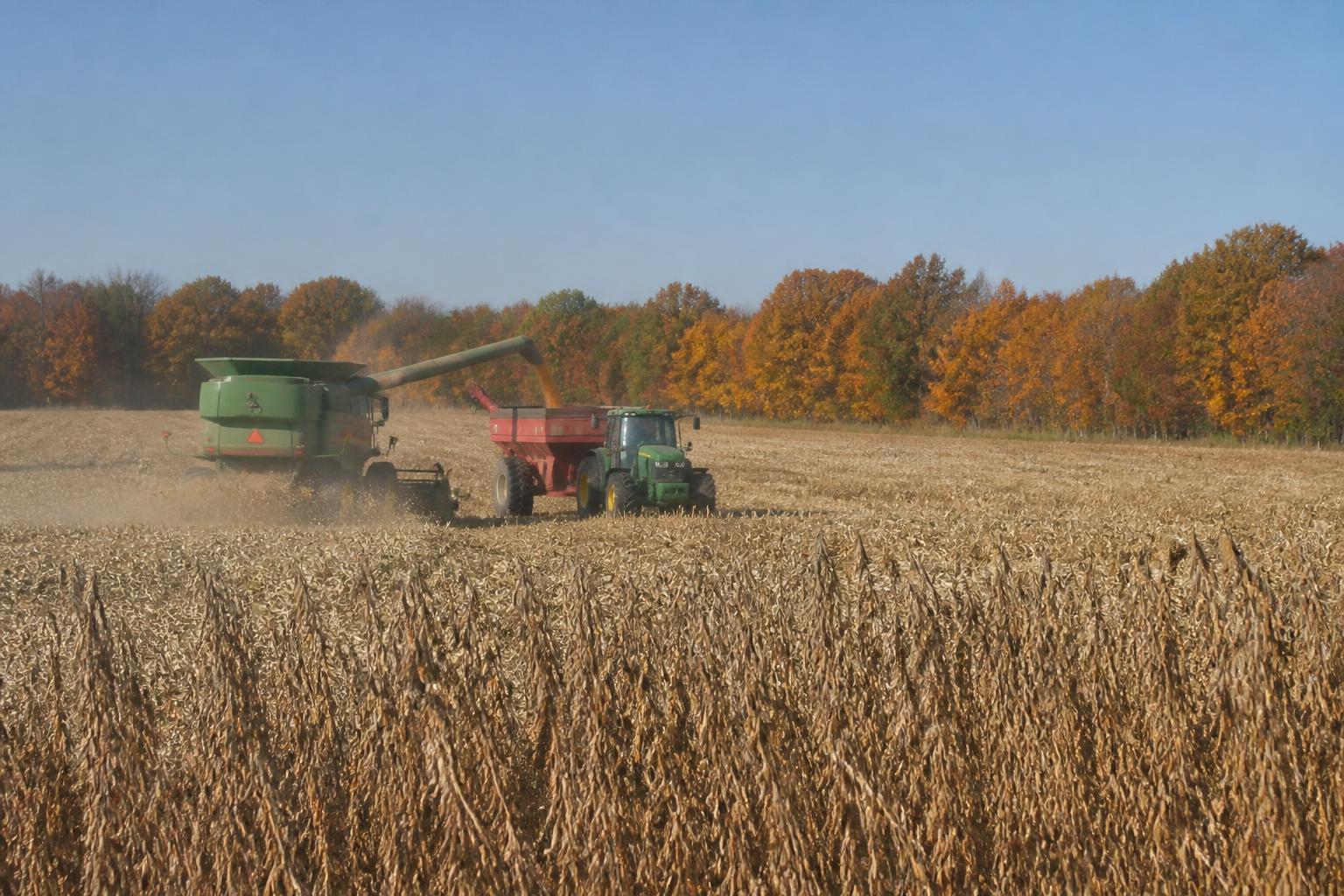
With the fall harvest drawing to a close across Kansas, attention has turned toward managing grain inventories and navigating the complexities of current commodity markets. Local producers continue to monitor signals from broader export channels, particularly those linked to shifting demand patterns in key international markets. As grain continues to move through storage and logistics networks, staying informed on price trends remains a priority for operators looking to optimize their sales strategy.
Navigating Market Volatility
Grain and livestock futures markets have remained a primary focus for Kansas agribusinesses as they balance domestic production levels against global economic indicators. Analyzing the nuances of recent price movements is essential for producers navigating the current landscape, especially as international demand fluctuates. For many, the ability to manage exposure to price swings during the post-harvest period can define the bottom line for the fiscal year.
Land Values and Operational Outlook
Despite the broader economic headwinds, sentiment in the agricultural real estate sector remains relatively steady. Professionals in the industry note that interest in high-quality Kansas farmland persists, even as farmers grapple with input costs and evolving market prices. This continued interest underscores a long-term confidence in the state's agricultural productive capacity, provided that growers can effectively mitigate short-term market risks.
What it means for the market
For the Kansas farming community, the path forward requires a blend of cautious inventory management and a sharp eye on futures markets. As the industry looks toward the next planning cycle, success will likely depend on the ability to remain flexible in the face of unpredictable export demand and localized logistical constraints common during the peak move of grain.
Comments
No comments yet - be the first to share your take.