
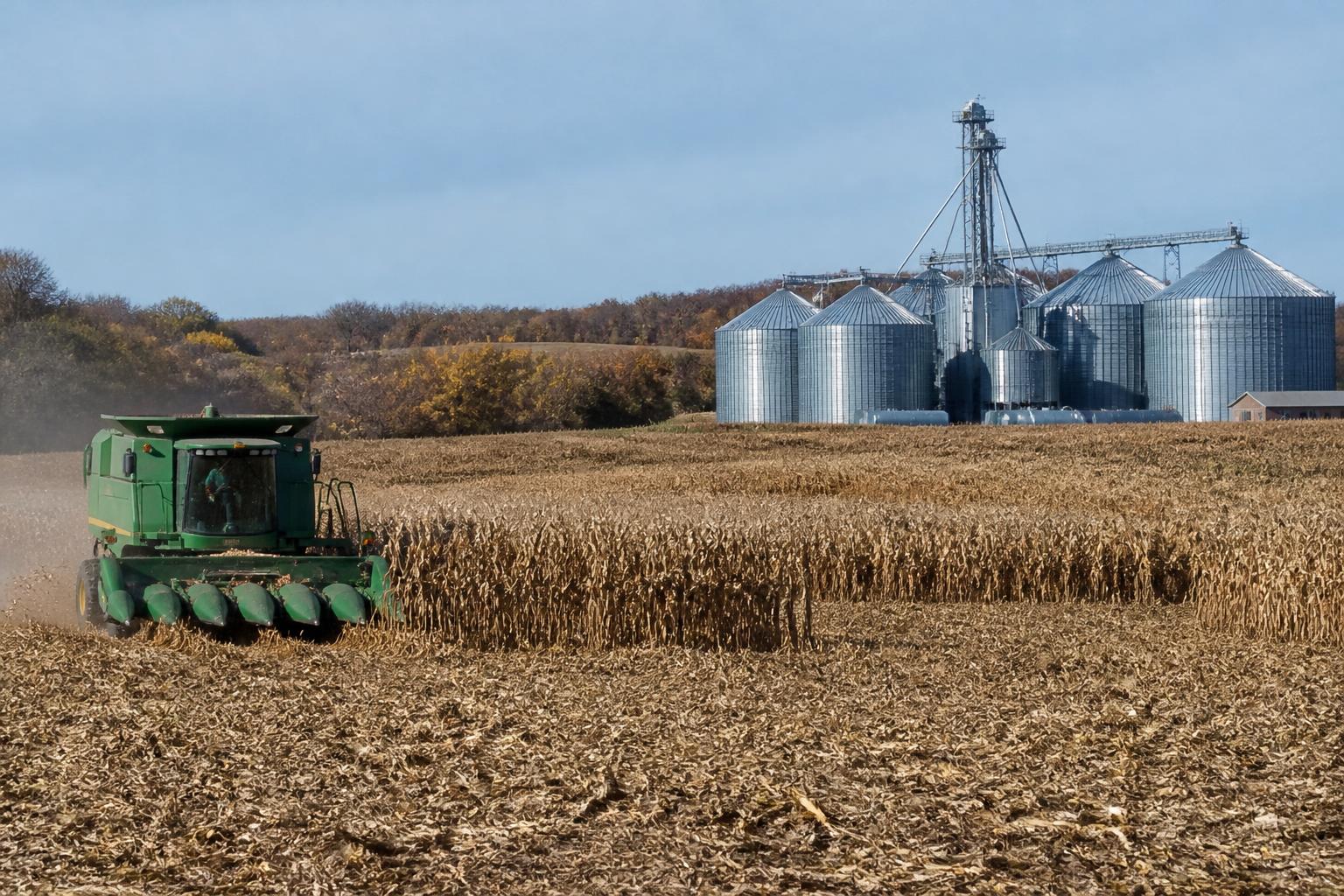
As the fall season wanes in North Dakota, growers across the state are entering the final stages of harvest. Operations in regions like the Red River Valley and the central plains are now largely focused on securing grain, managing logistics, and assessing the final quality of this year's yields. With the harvest cycle nearing completion, producers are evaluating operational strategies to optimize grain storage and distribution while navigating the complexities of current transport networks.
Refining Post-Harvest Operations
Efficient grain handling remains a critical priority for North Dakota agribusinesses this November. As volume moves from the field to local elevators, the industry is increasingly emphasizing the role of ancillary equipment in reducing post-harvest loss. Many elevators and private facilities are prioritizing investments in monitoring and handling technology to protect grain quality through the winter months. For those looking to manage their inventory effectively, understanding the local market dynamics is essential to successfully navigate the process to sell grain in North Dakota when regional demand peaks.
Market Sentiment and Financial Health
Beyond the field, financial resilience remains a central theme for the agricultural community. While some ag lenders maintain a tone of cautious optimism, producers are keeping a close watch on cash flow pressures. The agricultural sector continues to balance the impact of commodity prices with the rising costs of inputs and logistics. As the market transitions into the winter period, regional businesses are paying close attention to how these financial variables might influence purchasing decisions and overall operational capacity for the upcoming season.
What it means for the market
For North Dakota producers and handlers, the current period is defined by transition. With the bulk of the harvest secured, the focus shifts toward maintenance and long-term storage strategy. While the broader agricultural sector keeps a careful eye on financial stability and evolving trade dynamics, local operations that prioritize grain protection and efficient logistics are better positioned to weather price volatility in the months ahead.
Comments
No comments yet - be the first to share your take.