
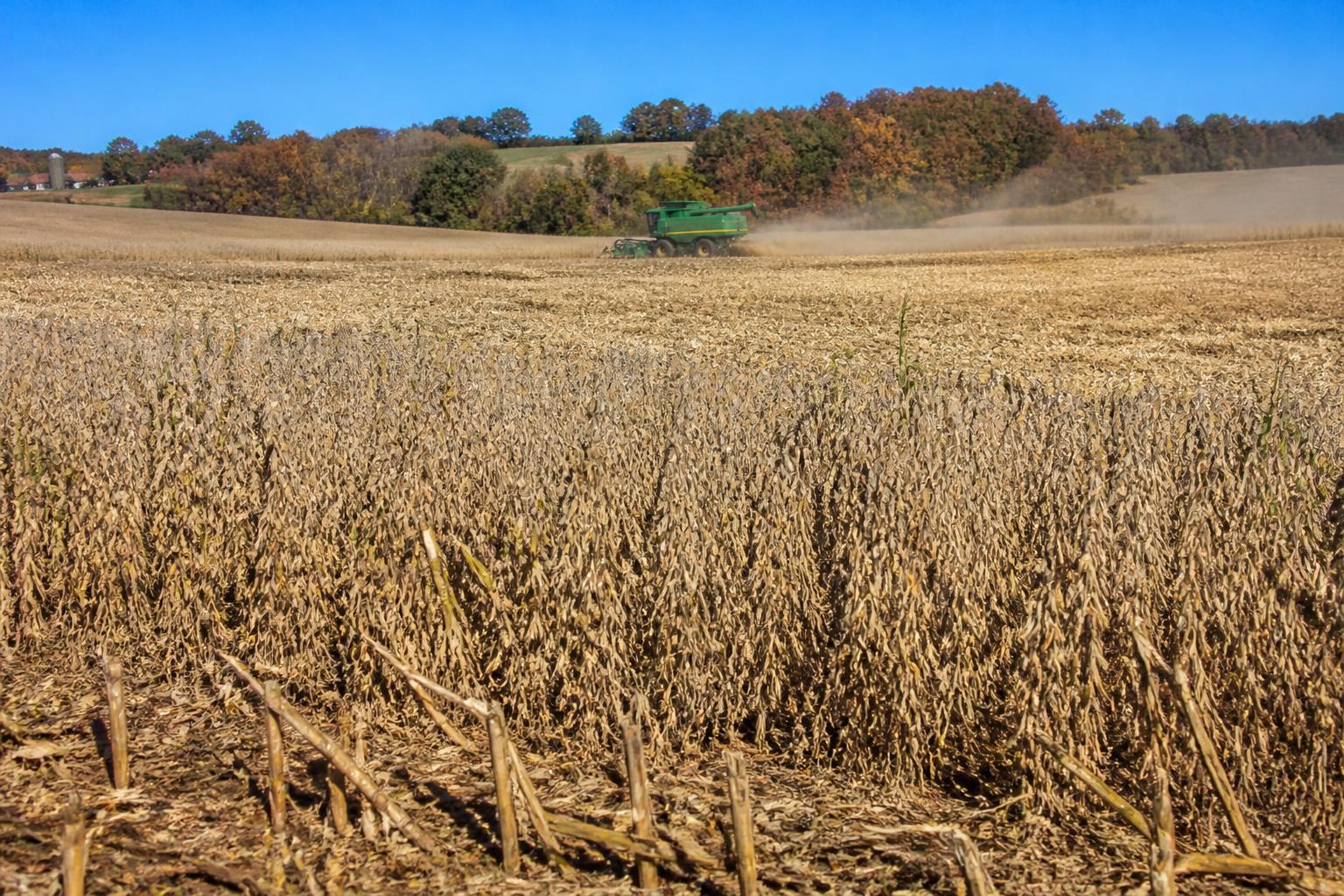
With the autumn harvest largely concluded across Kentucky, attention for local producers has shifted toward post-harvest storage management and finalizing sales strategies for the coming months. Market dynamics in the state are often influenced by a complex interplay of localized logistics, regional storage availability, and the competitive pressures faced by agribusinesses across the broader Midwest.
Producers frequently observe that price variations per bushel can stem from operational scale and proximity to high-capacity processing facilities. Understanding these regional nuances is vital for those looking to sell grain in Kentucky effectively, especially as the industry monitors how major infrastructure investments at key processing hubs in neighboring regions may eventually ripple through local demand.
Evaluating Regional Pricing Dynamics
The relationship between farm size and price received remains a point of interest for many Kentucky growers. While larger operations may benefit from economies of scale regarding logistics and bulk contracting, smaller, independent farms often find value in niche marketing or regional cooperative arrangements. Evaluating the local basis and identifying the most efficient delivery routes to regional elevators can help mitigate some of the pricing disparities seen throughout the fall.
Infrastructure and Regional Logistics
Kentucky’s grain industry remains closely tied to the broader U.S. agricultural supply chain. As major processors elsewhere, such as those recently announcing upgrades to oilseed facilities in the Midwest, expand their capacity, the demand for high-quality grain is expected to remain robust. For Kentucky farmers, this underscores the importance of monitoring regional rail and river transport efficiency, as capacity bottlenecks can quickly influence local cash prices during peak delivery windows.
What it means for the market
For the Kentucky producer, the current landscape emphasizes the need for flexible marketing and meticulous logistical planning. By focusing on grain quality, optimizing transport schedules to avoid peak congestion at regional terminals, and keeping a close watch on regional processing demand, growers can better navigate the competitive environment as they look toward the next production cycle.
Comments
No comments yet - be the first to share your take.