
Market Outlook and Structural Considerations
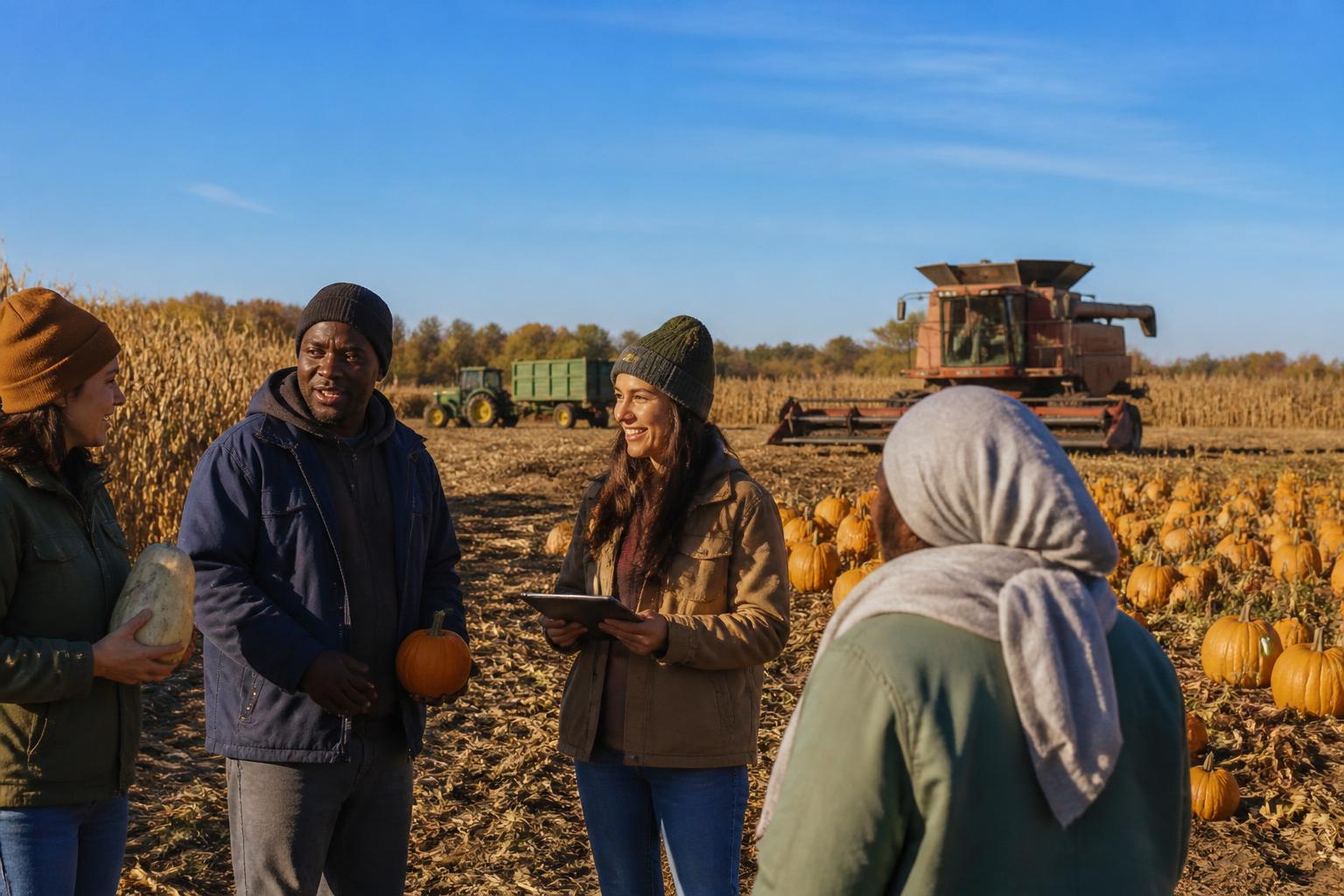
As the fall season reaches its final stages in Pennsylvania, producers are balancing the immediate demands of harvest completion with long-term structural questions facing the agricultural sector. While cyclical market pressures remain a consistent factor in grain pricing, understanding the distinction between short-term fluctuations and broader industry trends is becoming increasingly vital for local farm sustainability. Whether producers are looking to buy grain in Pennsylvania or planning their winter storage strategy, the focus remains on navigating these economic shifts with precision.
Technology Integration and Yield Protection
Advancements in seed technology are playing a larger role in how Pennsylvania growers manage soil-borne stressors as they prepare for future cycles. New solutions, such as those targeting nematode pressure, are entering the landscape, potentially offering more effective ways to protect crop potential before the planting season begins. Incorporating these advancements alongside standard Pennsylvania fertilizer strategies may help operations stabilize yields against increasingly unpredictable environmental challenges.
Logistical Realities of the Season
Logistics remain a critical component of the harvest transition. In many regions across the state, from the fertile valleys to the rolling hills of the central counties, managing transport efficiency is key to maintaining market access. As the year progresses, farmers often find that refining their approach to local distribution can mitigate some of the uncertainties inherent in current federal food policy and broader supply chain constraints.
What it means for the market
For Pennsylvania agribusinesses and grain handlers, the current environment necessitates a proactive approach to both input procurement and output management. By focusing on technology that enhances resilience and staying attuned to regional logistical constraints, producers can better position their operations to navigate the transition into the next production cycle, regardless of broader cyclical market shifts.
Comments
No comments yet - be the first to share your take.