
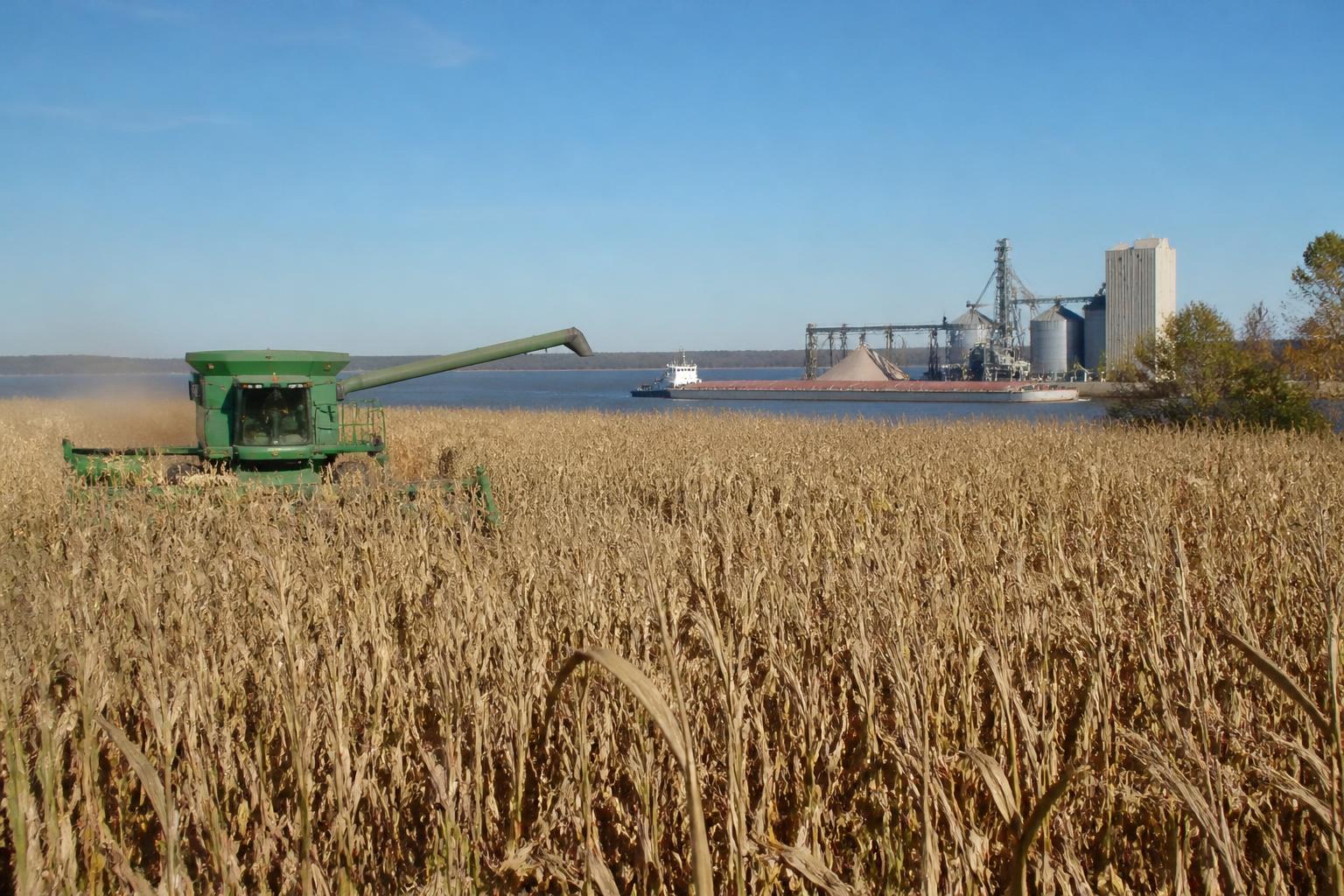
Market Headwinds Impacting Grain Sentiment
The agricultural sector is currently navigating a period of price volatility as futures markets have recently experienced downward pressure. For Mississippi producers, this shift in the market climate necessitates a renewed focus on regional logistics. Even as commodity prices fluctuate, the stability of the supply chain remains a primary concern for elevators and agribusinesses operating along the Mississippi River.
Infrastructure Investments and Logistics
Efficiency at the port remains a critical factor for maintaining profitability in the grain trade. While market fluctuations can be unpredictable, upgrades to handling facilities offer a more concrete path toward sustaining margins. Recent logistics hurdles associated with an aging barge fleet continue to challenge transit times, making infrastructure modernization at regional loading points a high priority for state operators looking to keep pace with global export demands.
Optimizing Local Operations
In Mississippi, the movement of grain during the tail end of the fall season often hinges on the balance between truck availability and river access. Agribusinesses are encouraged to monitor local terminal wait times closely as capacity constraints can shift quickly. Maintaining flexible storage options and clear communication with transport partners can help mitigate the impact of sudden market or logistics disruptions during this high-activity window.
What it means for the market
For Mississippi farmers and grain handlers, the combination of softer market futures and infrastructure-related transit challenges creates a complex environment. The focus for the coming months will likely be on maximizing throughput efficiency to offset price headwinds. By prioritizing reliable logistics channels and monitoring regional export trends, operators can better position themselves to navigate the current market landscape effectively.
Comments
No comments yet - be the first to share your take.