
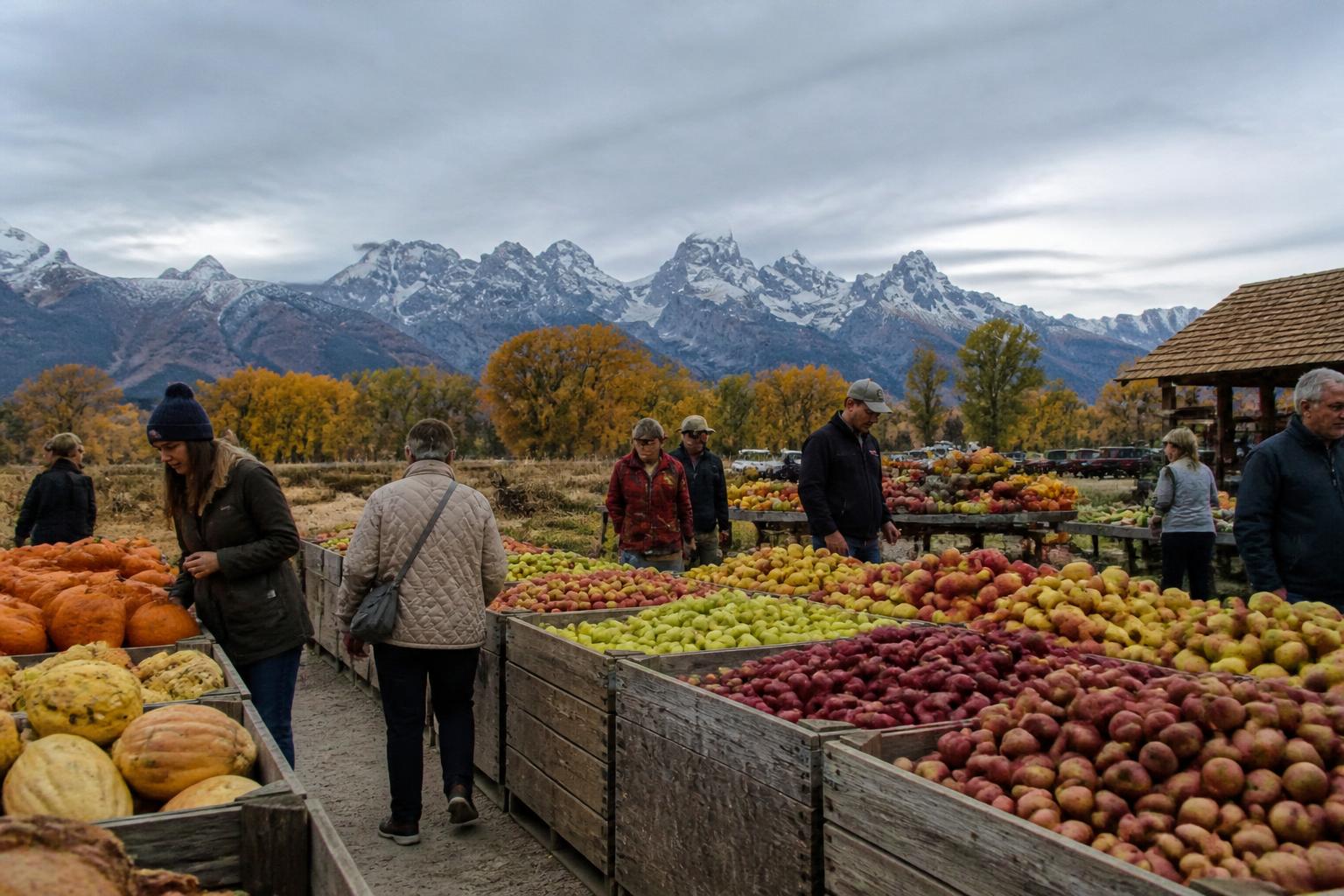
As the Idaho agricultural sector moves through the final weeks of fall, producers across the state are transitioning from the intensity of the harvest season to a period of strategic planning. With recent shifts in commodity dominance, particularly the rise of the beef sector over traditional dairy strongholds, many farm operations are re-evaluating their risk management and investment priorities for the upcoming production cycle. Whether in the specialized fields of the Treasure Valley or the expansive ranches of the east, maintaining operational efficiency remains the primary hedge against market volatility.
For those managing input costs or seeking to optimize their supply chains, current market conditions underscore the importance of data-driven decision making. Producers looking to stabilize their bottom line may find value in exploring updated strategies for managing rising operational costs, which continue to be a focal point for growers facing sustained economic pressure. Additionally, as the industry looks toward the 2026 outlook, the focus on specialty crop sustainability and infrastructure improvements remains critical for regional competitiveness.
Adapting to a Dynamic Commodity Landscape
The changing hierarchy of Idaho's agricultural output has ripple effects that extend well beyond the farm gate. As cattle production takes a more prominent role, the infrastructure and logistics chains that support livestock are under increased scrutiny. Stakeholders are actively engaging with policy leaders to address animal health concerns, including ongoing advocacy for federal allowances regarding vaccine access for dairy cattle to protect the state's broader livestock health profile.
Beyond the livestock sector, Idaho's crop producers are balancing these macro trends with regional logistical considerations. Effective coordination in grain transport and storage is essential as we head into the winter months, especially when considering the potential for shifting transport demands. Growers can stay ahead by reviewing the latest guidance on navigating late-fall transport trends, ensuring that stored commodities reach their destination without unnecessary delay.
Building Resilience Through Partnership
The strength of Idaho agriculture is often tied to the close-knit nature of its rural communities and academic partnerships. Throughout the late fall and winter, various outlook seminars and educational sessions are set to provide producers with the insights needed to navigate the complexities of 2026. These forums serve as vital hubs for networking and technical exchange, helping to foster innovation in everything from soil conservation techniques to the adoption of precision ag tools.
What it means for the market
The market environment heading into the end of 2026 remains complex, characterized by both record-setting shifts in commodity rankings and persistent operational cost pressures. For agribusinesses and farmers, the path forward involves a dual commitment to fiscal discipline and proactive participation in regional industry dialogue. Monitoring upcoming market outlook sessions will be essential for identifying early indicators of price shifts and supply chain bottlenecks, allowing for more agile management as the calendar turns to the new year.
Comments
No comments yet - be the first to share your take.