
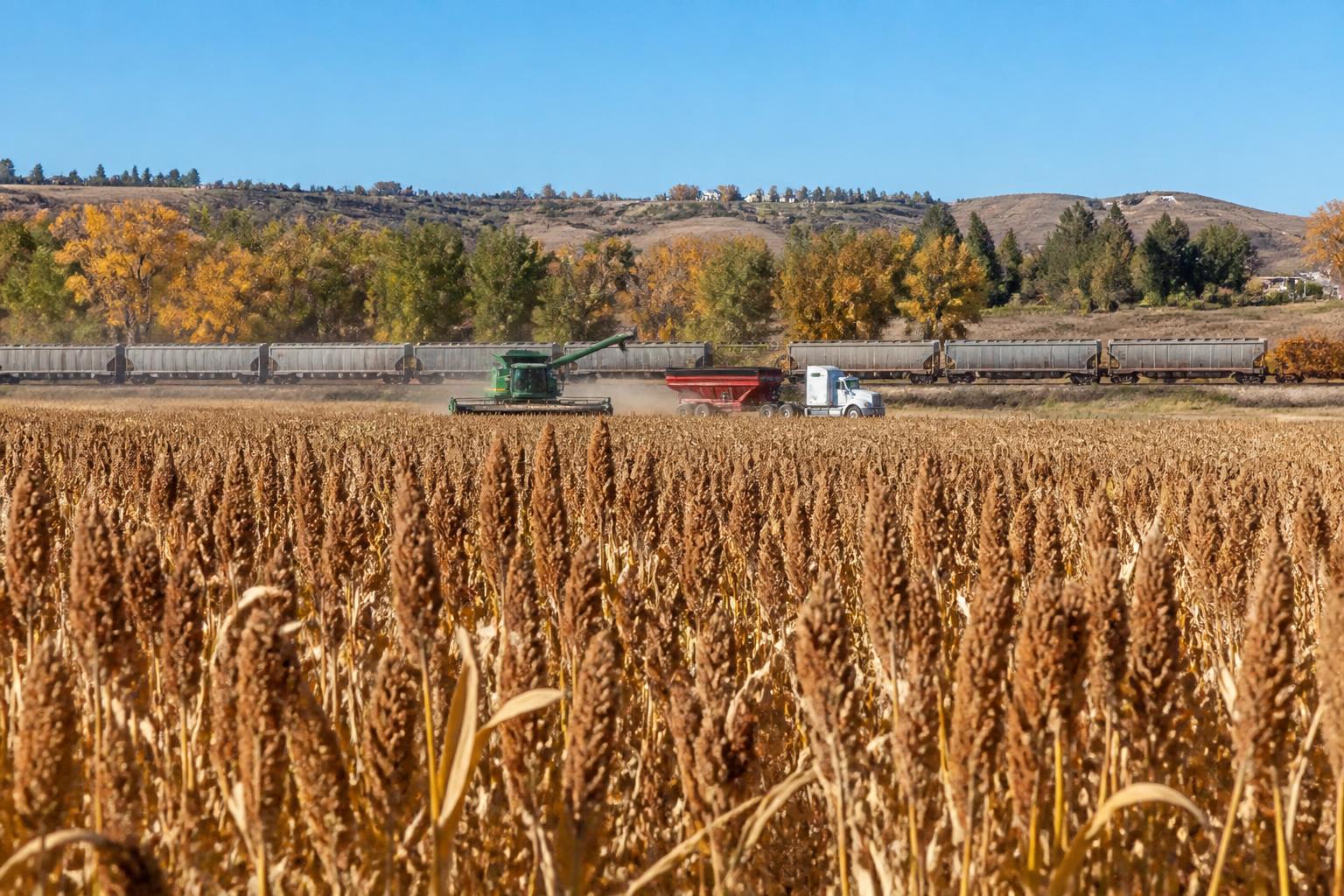
The Shifting Landscape of Idaho Grain Transit
As Idaho producers wrap up their harvest cycles this fall, the focus for grain handlers and farmers is shifting toward efficient post-harvest movement. Recent national data points to fluctuations in rail performance and transportation cost indicators that can directly impact the bottom line for Idaho operations. Monitoring these trends is essential for those looking to buy grain in Idaho or secure reliable shipping routes as we move further into the season.
For many in the state, rail remains a critical link in the supply chain. Recent reports suggest that while intermodal transport continues to set the pace for speed, agricultural commodities like grain often face unique scheduling pressures as coal and other industrial goods compete for line capacity. Understanding these regional constraints is vital for local agribusinesses planning their transport schedules for the coming winter months.
Managing Risk in an Uncertain Market
Beyond logistics, Idaho farmers are evaluating their financial positions as year-end approaches. Increased federal safety net payments in the region have provided a buffer for some producers navigating a volatile economic climate. These financial tools, combined with strategic planning for federal risk protection, remain core components of maintaining a resilient agricultural enterprise in the high desert.
What it means for the market
The convergence of variable transport costs and shifts in federal support means that Idaho producers should prioritize efficiency in their grain storage and shipping plans. Those who can successfully navigate these logistics hurdles are better positioned to maintain margins despite potential rail bottlenecks. As we exit October, close attention to local elevator capacity and consistent communication with rail partners will be the defining factors for a successful close to the 2026 season.
Comments
No comments yet - be the first to share your take.