
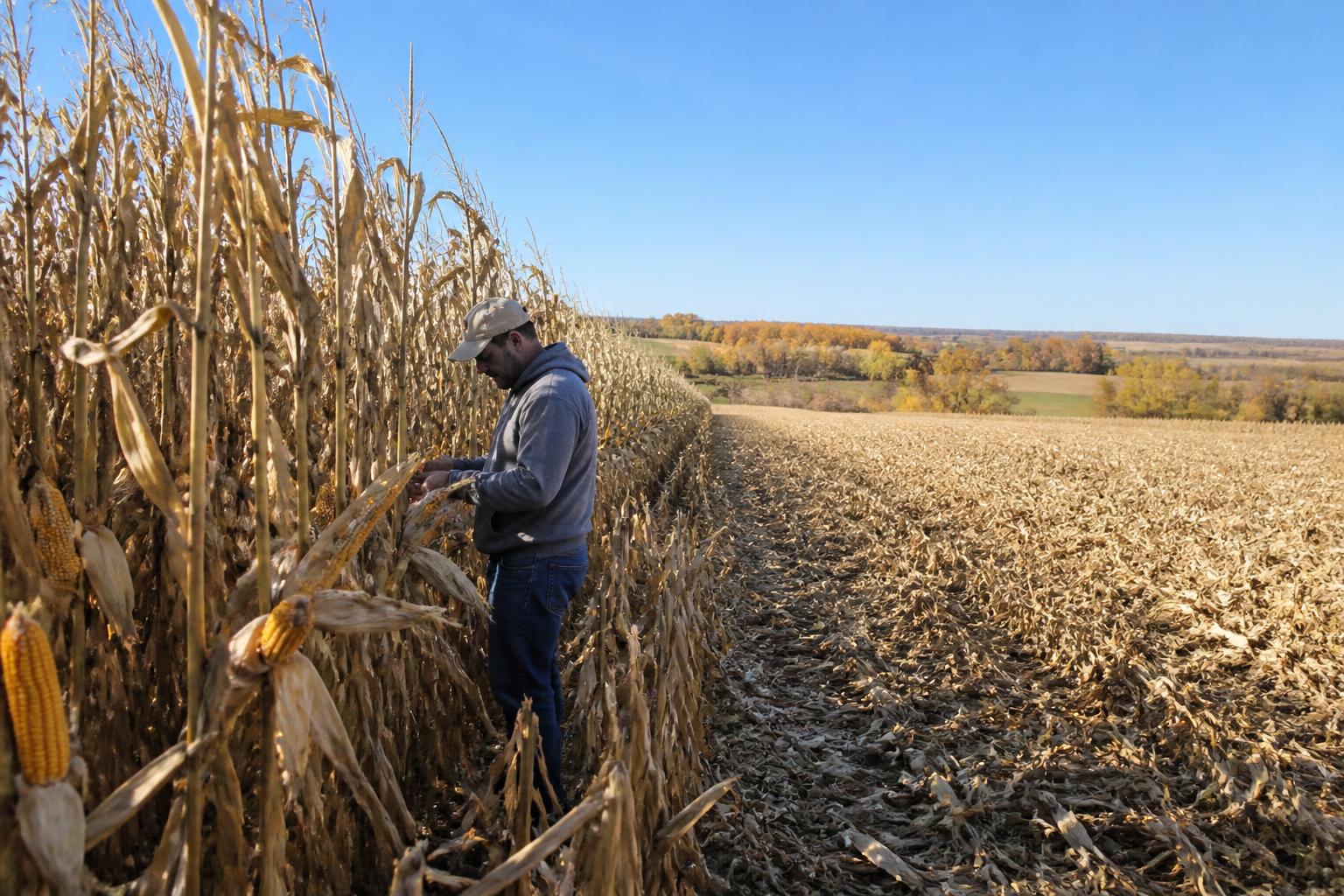
As the fall harvest window closes across Delaware, local producers are keeping a close eye on shifting national grain dynamics. Market reports suggest a split in performance, with corn showing signs of gains while soybean pricing continues to defy expectations despite high demand. For farmers in Sussex and Kent counties, this volatility underscores the necessity of precise planning as we move toward the winter season.
Input Costs and Long-Term Profitability
The conversation regarding production expenses continues to intensify, particularly as discussions surrounding the potential 2026 Farm Bill emphasize the mounting financial pressure on U.S. growers. Increased costs for essential inputs, including potash and other fertilizers, are forcing many agribusinesses to reevaluate their bottom lines. Producers looking for deeper insights on optimizing their inputs can review seasonal nutrient management strategies to maintain yields without overextending credit.
Market Stability and Risk Mitigation
With grain markets showing varied regional responses, Delaware farmers are increasingly focusing on local logistics and contract security. Reliable record-keeping and vetting of buyers have become vital components of risk management. For those interested in current local conditions, our comprehensive tracker for grain buyers, sellers, and pricing in Delaware provides a foundation for making informed selling decisions before the year concludes.
What it means for the market
The combination of diverging commodity prices and rising operational overhead requires a disciplined approach to grain marketing and inventory management. As producers finalize their year-end financial positions, the focus remains on mitigating exposure to price swings and managing logistics to ensure that harvested crops reach end-users efficiently. Staying connected to local market intelligence is the most effective way to navigate the challenges presented by these current economic signals.
Comments
No comments yet - be the first to share your take.