
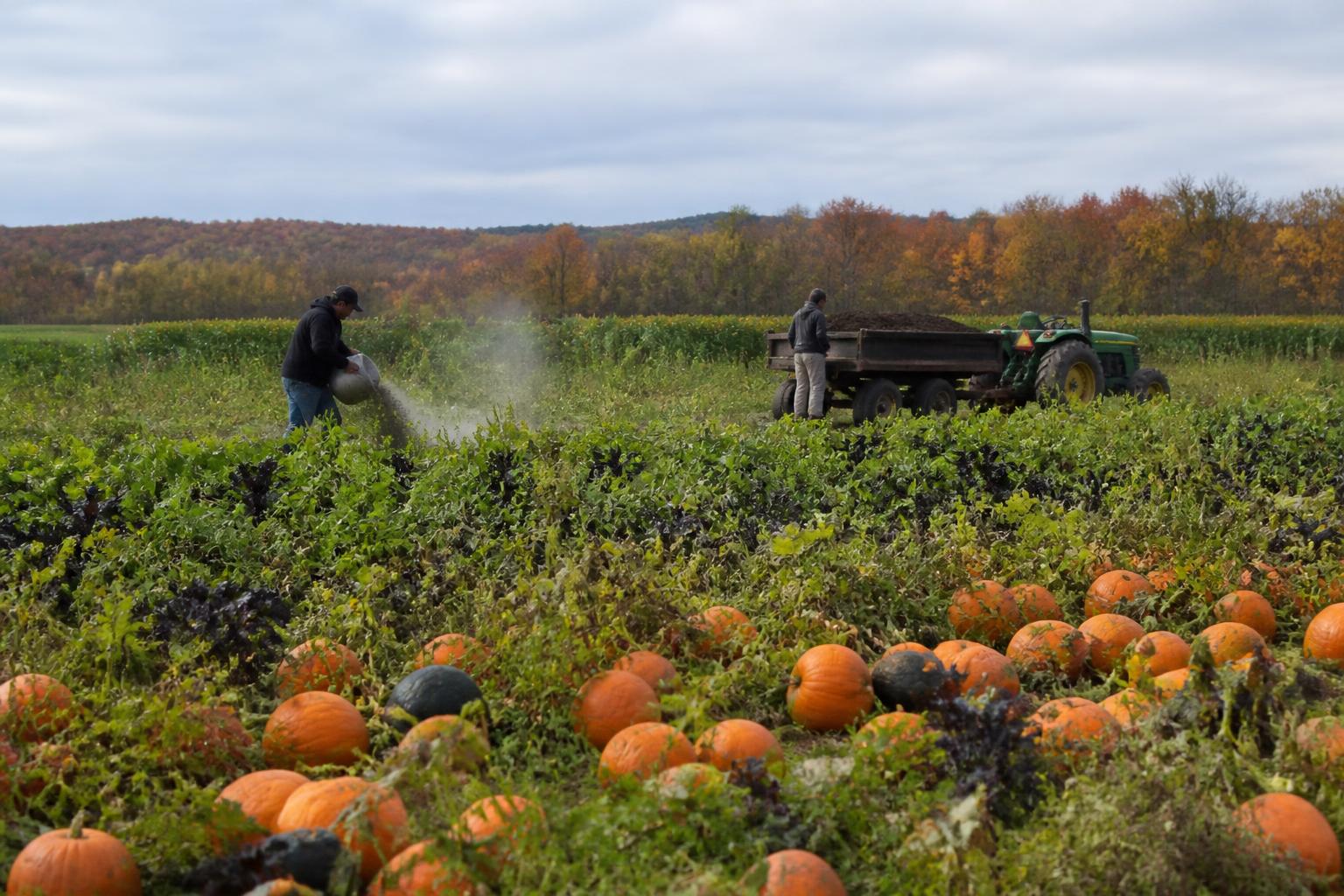
For Delaware growers, the tail end of the fall season marks a critical period for evaluating nutrient management strategies. As fields across Kent and Sussex counties transition into winter dormancy, the focus shifts from immediate application to long-term procurement planning. Staying informed on global fertilizer supply trends is essential for local agribusinesses looking to secure favorable terms ahead of the spring planting surge.
Current market reports indicate a growing interest in alternative nutrient sources, with the broader organic fertilizer sector projected to see significant valuation changes over the coming decade. While conventional synthetic inputs remain a cornerstone of local production, many Delaware operations are increasingly analyzing how these long-term shifts in supply chains might impact their own input costs and stewardship goals.
Managing Transportation and Local Infrastructure
Efficient logistics remain the backbone of Delaware agriculture, particularly as regional transportation planning continues to evolve. Local producers should keep a close watch on infrastructure updates, such as the ongoing DelDOT community transportation initiatives near Frankford, which can influence local freight routes and delivery schedules for bulk inputs. Ensuring that farm-to-elevator and farm-to-field transport lines remain clear during this period of seasonal maintenance is vital for maintaining margins.
Strategic Procurement for 2027
With market fluctuations in the chemical and nitrogen-based fertilizer industries, diversification of supply remains a prudent strategy. Agribusinesses should coordinate closely with regional suppliers to lock in pricing and delivery windows now, rather than waiting for the seasonal peak. By prioritizing logistics efficiency and keeping an eye on broader industrial supply patterns, Delaware farmers can better insulate their operations from volatility.
What it means for the market
Farmers who prioritize early logistical planning and stay attuned to the gradual rise of specialized organic inputs will be better positioned to control overheads. As road projects and transport adjustments continue across the state, proactive communication with local logistics partners remains the most effective tool for maintaining operational resilience.
Comments
No comments yet - be the first to share your take.