
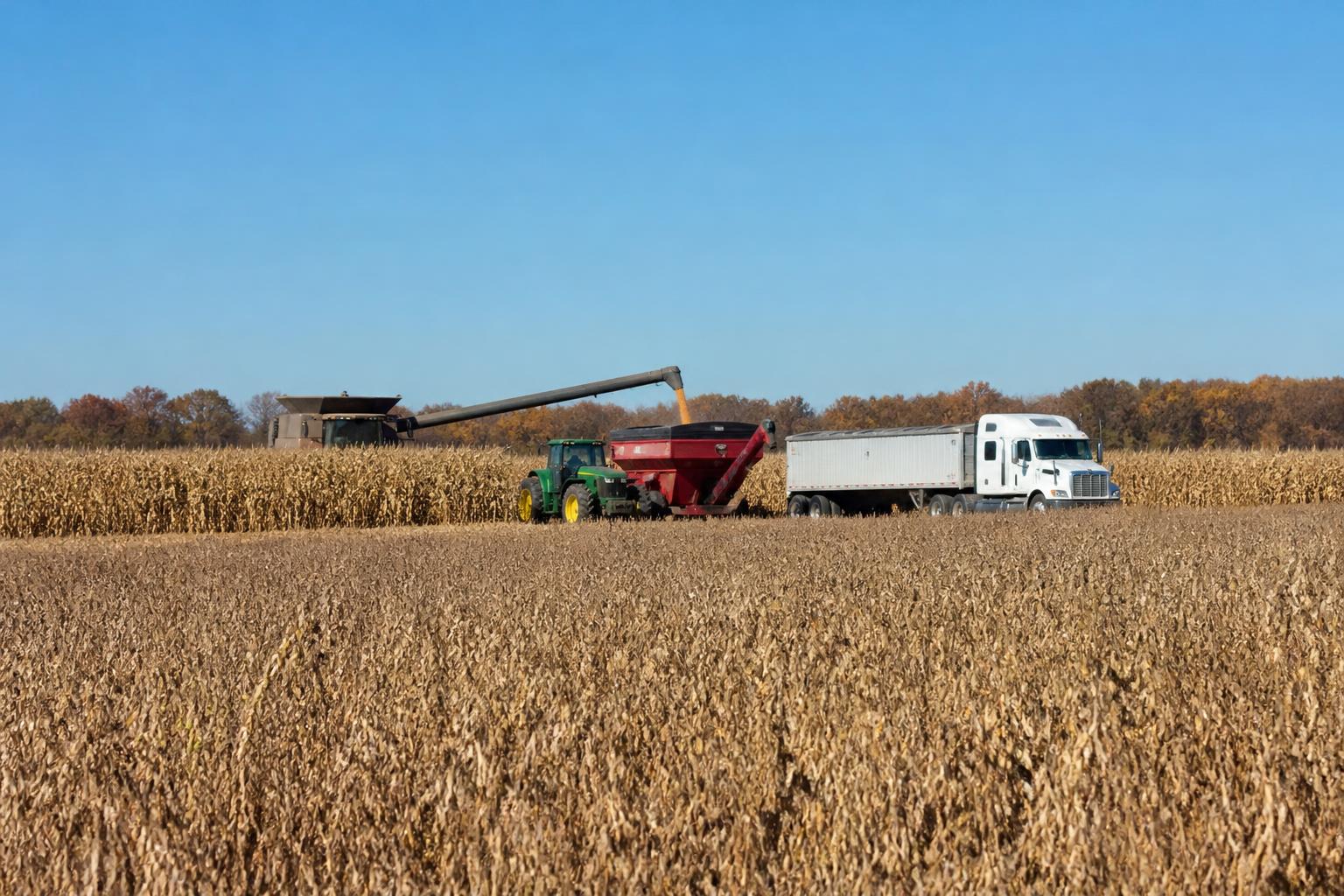
As the fall season draws to a close across Montana, agricultural producers and agribusinesses are shifting their focus from harvest logistics to long-term operational planning. While local grain movement remains a priority, recent reports of court-overseen asset transitions, such as the ongoing Monette Farms land sale, serve as a reminder of the evolving structure of regional holdings. For many operations, understanding these shifts in asset ownership is essential for navigating leasing agreements and long-term land management strategies.
Global Market Interplay and Local Logistics
Montana’s agricultural sector continues to be influenced by global market signals. While localized grain transport often dominates discussions in counties across the state, farmers are increasingly mindful of how international logistical constraints impact price discovery. When major global hubs, such as those in Brazil, experience export slowdowns due to water stress or infrastructure bottlenecks, it often creates a ripple effect that requires producers to stay agile in their marketing approach.
For those managing input procurement, the intersection of local demand and global fertilizer supply remains a critical watchpoint. As global fertilizer markets face persistent uncertainties, some producers may choose to secure supplies early to avoid potential volatility. Staying informed on mid-November grain and livestock trends can help in making more precise decisions regarding upcoming input budgets and storage capacity.
Planning for Future Seasons
The transition into the off-season offers an opportunity to assess current storage capabilities and market positioning. Many handlers are observing that efficient, well-timed movement of grain is just as important as yield management in a fluctuating market. Understanding the nuances of fall procurement and logistical pressures is often the difference between maximizing seasonal returns and facing unexpected delays as regional rail and trucking networks recalibrate for the winter months.
What it means for the market
For Montana producers, the current environment emphasizes the need for proactive logistics planning and a close watch on asset consolidation. While global pressures may fluctuate, local market stability often relies on the ability to anticipate regional transport bottlenecks and secure necessary inputs ahead of potential supply-side tightening. Operators who leverage regional insights are better positioned to weather the unpredictability inherent in modern grain marketing.
Comments
No comments yet - be the first to share your take.